
Last updated September 24, 2026
Seasonal Insulation Care for Laguna Niguel: Year-Round Homeowner’s Guide
Santa Ana events push positive pressure against a home’s east-facing assemblies while simultaneously driving indoor relative humidity below 15%. That combination desiccates caulk beads and separates foam seams that held fine all summer. In Laguna Niguel, where the marine layer lingers through June and winter storms arrive in concentrated bursts, your insulation system faces three distinct seasonal stressors, not one. This guide-along with our The Complete Guide to Insulation in Laguna Niguel-maps specific inspection tasks to each condition: post-Santa Ana thermal cycling, June Gloom humidity intrusion, and post-rain water tracking. You’ll learn which materials fail first, what the early signs look like, and how to document findings in a format any contractor can read.
Quick Answer
Seasonal insulation care in Laguna Niguel means inspecting air-sealing materials after Santa Ana wind events, checking attic moisture indicators during June Gloom, and verifying ridge vent and soffit integrity after winter rains, as detailed in our Attic Insulation Maintenance Checklist for Laguna Niguel Homeowners. Most homeowners should perform these three inspections annually and maintain a written log of findings. Professional blower-door testing every 3-5 years verifies that the envelope is performing as designed.
Table of Contents
- Post-Santa Ana Inspection: Thermal Cycling Damage
- June Gloom and Attic Moisture Risk
- Post-Rain Season: Water Tracking and Ventilation
- Pre-Summer HVAC Duct and Insulation Check
- Air-Sealing Materials: What Fails Where
- The Seasonal Log Template
- Common Mistakes to Avoid
- When to Call a Professional
- Frequently Asked Questions
- The Bottom Line
 Before
 After
AfterPost-Santa Ana Inspection: Thermal Cycling Damage
Laguna Niguel sits in a pressure corridor. When Santa Ana winds descend from the northeast, they warm adiabatically and drop relative humidity to desert levels. East-facing walls and roof assemblies take the brunt. We’ve measured attic temperatures swing from 55°F to 140°F in a single Santa Ana day in neighborhoods like Beacon Hill and San Joaquin Hills. That range exceeds the design spec for most residential caulks and spray foam bonds.
The damage pattern is predictable once you know where to look. Start with east-facing top plates, the horizontal framing member where your exterior wall meets the ceiling plane. Latex caulk applied here without backer rod will shrink and pull away from one substrate, usually the drywall. Silicone fares better but can lose adhesion to dusty OSB sheathing. Two-component spray foam, the kind used to seal larger gaps around plumbing vents and electrical penetrations, can delaminate at the foam-to-wood interface after repeated thermal cycling.
Here’s the inspection sequence we use:
- Wait 48-72 hours after the Santa Ana event ends. Materials need to return to neutral temperature before you assess bond lines.
- Bring a flashlight and a wooden paint stirrer. Probe gently at caulk beads; the stirrer will find voids your finger misses.
- Check east-facing top plates first, then north-facing. South and west assemblies rarely see the same thermal shock in Laguna Niguel’s wind pattern.
- Inspect can light housings and bath fan penetrations. These are pre-cut holes with minimal tolerance; a 1/8-inch gap here moves more conditioned air than a 1/2-inch gap in an open stud bay.
- Photograph every finding with a date stamp. Note wind direction and approximate gust speeds if you recorded them.
The repair hierarchy is simple. Hairline cracks in latex caulk: remove and replace with acoustical sealant or high-quality silicone. Delaminated spray foam: cut back to sound material with a serrated blade, then reapply. Never caulk over failed caulk; the bond layer is compromised and the new material will track the old failure.
In our experience across Laguna Niguel’s 92677 zip, homes built 1985-2005 show the most thermal-cycling damage. The original construction used single-component expanding foam for penetrations, and that material degrades fastest under UV and heat exposure in vented attics.
June Gloom and Attic Moisture Risk
June Gloom is not fog. It’s a marine layer, a stratus cloud deck that forms when cool Pacific water meets warmer continental air. In Laguna Niguel, this layer can persist from May through mid-July, with relative humidity at ground level holding 85-95% for days. Your attic, if it’s vented and unconditioned, tracks closer to outdoor conditions than you might expect.
The risk is condensation on the underside of roof decking, particularly north-facing slopes that never fully warm during short June days. When warm, moist air enters through soffit vents and meets decking cooled by radiative heat loss to the night sky, water condenses. This isn’t a leak; there’s no hole in the roof. But the result, over seasons, is identical: compressed fiberglass batts lose R-value, organic growth finds a foothold, and eventually the decking itself delaminates.
What to look for during June Gloom:
- Dark spotting or water staining on the attic side of roof decking, especially within 24 inches of the eave where incoming air first contacts the surface
- Fiberglass batts that appear darker at the top surface than the bottom, indicating top-down moisture wicking
- Musty odor that intensifies in late afternoon, when attic temperature peaks and drives off absorbed moisture
- Corrosion on metal fasteners or HVAC strap hangers, which signals sustained humidity above 80% RH
- Insulation that feels heavier than similar material stored in conditioned space
The threshold question: is this seasonal surface moisture or chronic water intrusion? Seasonal condensation dries within 48 hours of clear weather. Chronic intrusion leaves a tide line, staining that persists, or insulation that stays damp. If you find persistent dampness, the fix is not more insulation. It’s improved ventilation balance, air sealing at the ceiling plane to stop interior moisture migration, or both.
We’ve documented this pattern repeatedly in Laguna Niguel’s older neighborhoods, particularly around Crown Valley Parkway where 1970s ranch homes with minimal original insulation are common. The attic insulation in Laguna Niguel these homes need must include air sealing at the ceiling plane, not just additional batts on top of old ones. Blowing new material over an unsealed attic is how you trap moisture.
Post-Rain Season: Water Tracking and Ventilation
Laguna Niguel’s rain is concentrated. Most annual precipitation falls December through March, often in intense, short-duration events associated with atmospheric rivers. The problem isn’t total rainfall; it’s instantaneous intensity overwhelming gutters, flashing details, and aging ridge vents. Water that enters doesn’t always drip straight down. It tracks along rafters, follows electrical cables, and spreads across insulation batts before any ceiling stain appears.
The post-rain inspection window is narrow. Wait for a 72-hour dry period so active leaks have stopped, but inspect before the evidence dries and becomes invisible. We recommend the second week of April as the standard inspection date in this climate.
Start at the ridge and work down:
- Ridge vent integrity: Look for lifted or displaced sections, gaps where fasteners have backed out, or cracked flexible ridge material. Santa Ana winds that precede winter storms often damage these first.
- Soffit vent blockage: Check for paint overspray, wasp nests, or insulation that has migrated into the vent channel. Blocked soffit vents create a pressure imbalance that pulls conditioned air upward through ceiling penetrations.
- Baffle condition: Cardboard or foam baffles that maintain the vent channel above insulation can collapse when wet. A collapsed baffle means insulation contacts the roof deck, eliminating airflow and trapping moisture.
- Insulation contact patterns: Look for batts that have been moved or compressed, indicating water flow. Fiberglass that has been wet and dried often holds a “memory” of compression and won’t fully rebound.
- Decking stains with directional patterns: Stains that run parallel to rafters indicate water tracking along a structural member. Stains that fan out below a penetration indicate point-source intrusion.
The replacement threshold is specific. Fiberglass or cellulose that has been wet for less than 48 hours, dried promptly, and shows no organic growth can remain. Material that has been wet longer, shows staining, or has compressed and lost loft must be removed. We’ve seen homeowners in Laguna Niguel’s hillside neighborhoods attempt to dry wet batts in place with fans; this rarely restores R-value and can spread spores through the attic space, a topic we cover in our DIY vs Professional Insulation: The Laguna Niguel Homeowner’s Decision Guide.
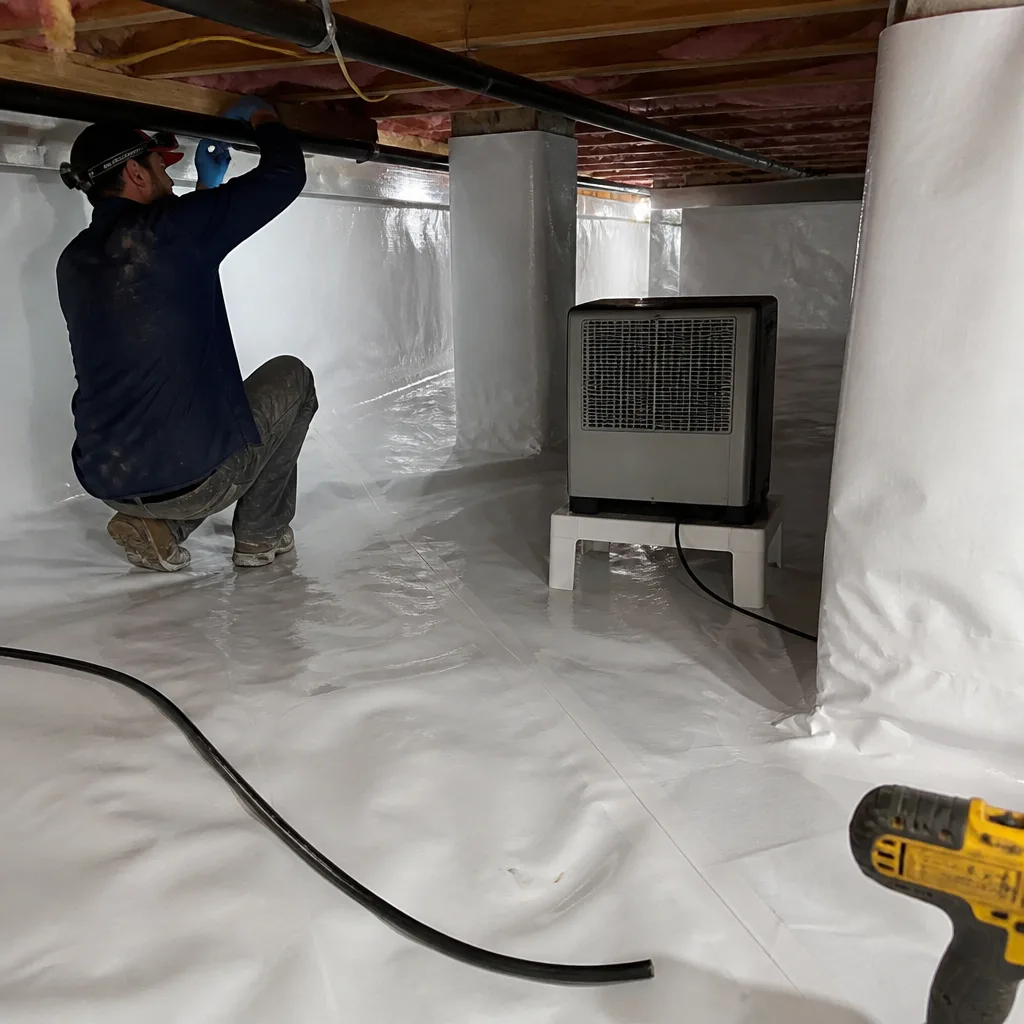
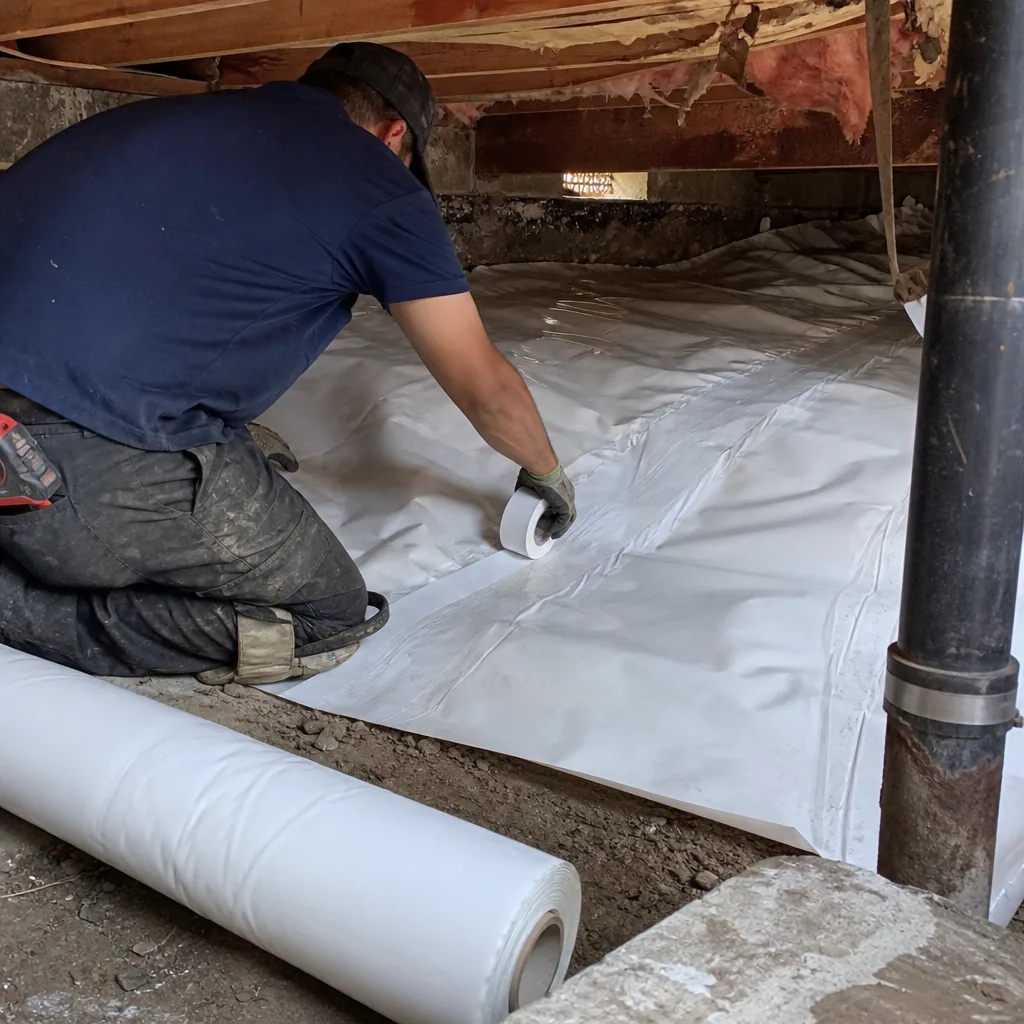
For homes with crawl space encapsulation and vapor barrier in Laguna Niguel, the post-rain inspection extends below grade. Check that the vapor barrier remains sealed at perimeter walls and that no water has pooled on top of the barrier, indicating a breach in the drainage plane.
Pre-Summer HVAC Duct and Insulation Check
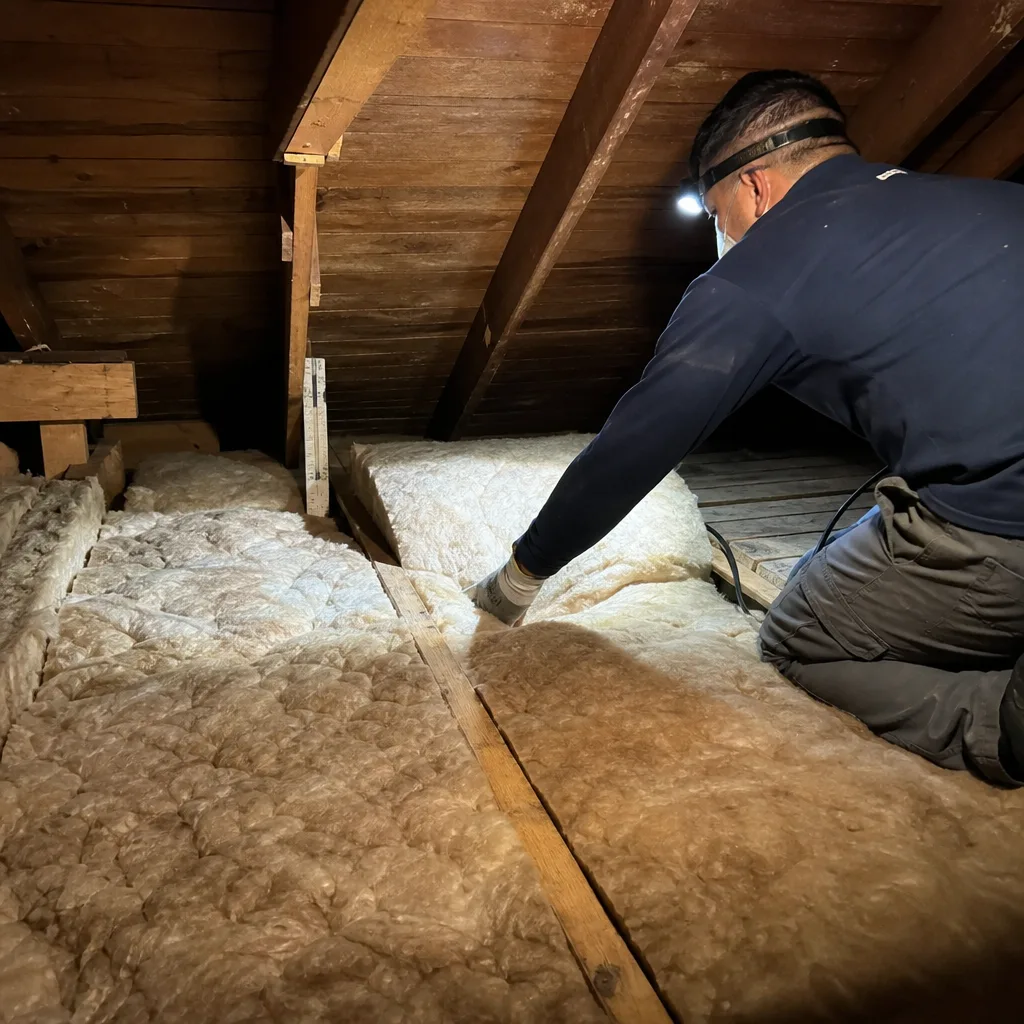
Laguna Niguel’s cooling season runs longer than heating season, and the penalty for duct leakage in an unconditioned attic is severe. Supply ducts leaking 15% of conditioned air into a 130°F attic don’t just waste energy; they create negative pressure that pulls hot, humid attic air into the living space through every ceiling penetration. Insulation, no matter how thick, cannot offset this dynamic.
The pre-summer inspection, ideally completed by mid-May, focuses on the duct-insulation interface:
- Flex duct connections at plenums and takeoffs: look for disconnected inner liners, failed tape, or sagging that has pulled connections apart
- Duct insulation jacket condition: torn or UV-degraded jacketing allows fiberglass to release into the airstream and loses thermal resistance
- Register boots at the ceiling plane: these are common leak points where the boot meets drywall; a gap here bypasses all duct insulation
- Return air pathways: verify that panned joist bays or stud cavities used as returns are sealed and insulated, not just covered with a grille
The diagnostic tool is a blower-door test with duct blaster integration, but a homeowner can find obvious failures with smoke pencil observation while the system runs. Hold a thin stream of smoke near suspected leak points; deviation indicates pressure differential and air movement.
Here’s what most homeowners miss: insulation around ducts is only as good as the air barrier beneath it. A duct wrapped in R-6 flex duct insulation but connected with unsealed flex cuffs loses more efficiency than a bare metal duct in a sealed chase. We’ve measured this in Laguna Niguel homes where homeowners added attic insulation but never addressed duct leakage. The post-improvement blower-door numbers improved, but the cooling bills barely moved.
For new construction or major renovation, spray foam insulation in Laguna Niguel can create a conditioned attic that eliminates the duct-in-unconditioned-space problem entirely. But in existing homes, the practical fix is duct sealing with mastic, proper mechanical fastening, and targeted insulation replacement where jacketing has failed.
Air-Sealing Materials: What Fails Where
Not all sealants handle Laguna Niguel’s climate equally. The combination of high summer attic temperatures, sustained spring humidity, and Santa Ana thermal cycling creates a demanding environment. Here’s what we’ve learned from 9,000+ homes sealed and insulated since 2016, every one with a written price before work started and a documented record when the crew left.
Latex acrylic caulk: Inexpensive and easy to apply, but designed for interior use with minimal movement. In an attic that cycles 40°F to 140°F annually, expect 3-5 year service life. Best for sealing interior drywall-to-top-plate joints in conditioned space, not attic applications. We’ve replaced failed latex in Laguna Niguel homes where the original installer used it for can light trim rings; it crumbles and falls into the fixture housing.
Silicone sealant: Superior UV and temperature resistance, but requires clean, dry substrates and doesn’t adhere well to dusty OSB or raw lumber. We use neutral-cure silicone, not acetoxy-cure, for attic applications; the acetic acid byproduct of acetoxy cure corrodes metal fasteners over time. Service life in Laguna Niguel attics: 10-15 years if properly applied.
Acoustical sealant (polymeric):strong> Remains flexible indefinitely, doesn’t skin over, and tolerates movement better than any other caulk type. The tradeoff is that it never fully cures, so it collects dust and must be protected from contact. We use it at top plates and drywall seams where future access is unlikely. Brands like Knauf and CertainTeed include compatible acoustical sealants in their complete attic systems.
One-component polyurethane foam (Great Stuff, etc.): Convenient for small gaps, but degrades under UV exposure and sustained heat above 180°F. In Laguna Niguel’s dark-shingle attics, surface temperatures can exceed this. We remove and replace degraded single-component foam on most retrofit jobs. Not suitable for structural gaps or fire-rated penetrations.
Two-component spray foam (open-cell, like Icynene or Demilec): Applied professionally for larger gaps and continuous air barriers. Open-cell allows moisture diffusion, which is desirable in some Laguna Niguel applications where vapor management is critical. Closed-cell (higher density) blocks vapor and provides structural rigidity but is rarely necessary in this climate zone. Both types require professional application with proper respiratory protection; the isocyanate component is a sensitizer.
Fire-rated sealants: Required at penetrations through rated assemblies. Intumescent sealants expand when heated to maintain the fire barrier. Check annual expiration dates on cartridges; intumescent chemistry degrades. We’ve found expired fire caulk in Laguna Niguel condos built 2008-2012 where the original contractor used bulk-purchased material near its shelf life.
The material choice matters less than the installation detail. A bead of premium silicone applied over dust and loose fibers fails faster than basic latex on a clean, primed surface. Under Haven Standard: Arrive on schedule, you get a named technician and a text when they are on the way, and that technician prepares every substrate before sealant application.
The Seasonal Log Template
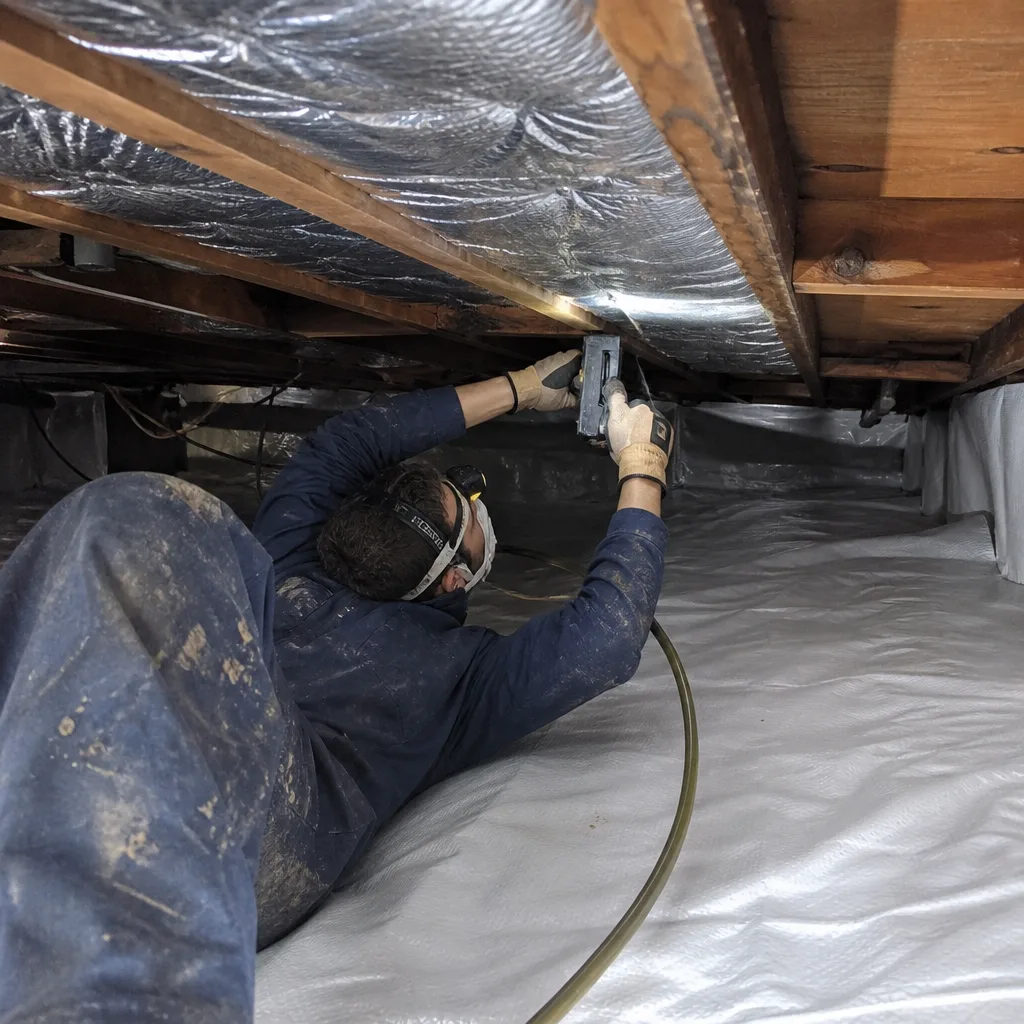
Documentation transforms scattered observations into actionable maintenance history. The format we use on professional jobs adapts directly to homeowner use. You don’t need special software; a bound notebook or structured digital document works.
The log has four sections per entry:
- Conditions: Date, weather pattern (Santa Ana, June Gloom, post-rain, pre-summer), outdoor temperature and humidity if recorded, any recent contractor visits or equipment changes
- Findings: Location-specific observations with photographs referenced by filename or print number. Note material type if identifiable, failure mode if observed, and approximate severity (monitor, repair within season, repair immediately)
- Actions taken: What you did, what materials you used, manufacturer and product name if known, and whether the repair was temporary or permanent
- Follow-up required: Items that need professional assessment, tools or materials you need to acquire, or scheduled re-inspection dates
A sample entry from a Laguna Niguel home might read: “April 14, 2024. Post-rain inspection, 72 hours after 1.2″ rainfall. North slope ridge vent lifted 3 inches at centerline; photographed IMG_2041-2043. No decking stains. East-facing top plate latex caulk cracking at master bath penetration; noted for fall repair. Baffles intact. No action taken; schedule ridge vent repair before next Santa Ana event.”
This format achieves two things. First, it prevents the “I think someone looked at that once” problem that plagues home maintenance. Second, when you do call a contractor, you hand them a documented history instead of a vague description. Under Haven Standard Clause 1, we provide a flat price, written scope, and written warranty before anyone lifts a tool. A customer with a seasonal log gets a more accurate scope because we can correlate their observations with our blower-door findings.
Keep the log with your other home documents, and bring it to any energy audit or insulation consultation. The Topside Attic Insulation Laguna Niguel home page lists additional resources for homeowners maintaining their own records.
Common Mistakes to Avoid
- Adding insulation over wet or unsealed material. This is the most common error we correct in Laguna Niguel. New insulation compresses old, traps moisture, and obscures problems that worsen beneath. Always inspect and seal before adding.
- Using interior-grade materials in attic conditions. Latex caulk, standard drywall tape, and unbacked fiberglass all fail prematurely in temperature-extreme attics. The material cost difference is minimal; the rework cost is not.
- Ignoring soffit vent blockage after painting or roofing work. Contractors frequently overspray soffit vents or push insulation into the vent channel during other work. Check these after any trade accesses the attic.
- Assuming new construction was sealed properly. California’s Title 24 energy code has tightened, but enforcement varies by jurisdiction and era. We’ve found substantial leakage in Laguna Niguel homes built as recently as 2020.
- Waiting for ceiling stains to appear. By the time drywall shows water damage, insulation has been compromised for months or years. Attic inspections should be proactive, not reactive.
- Treating insulation as a permanent, maintenance-free component. Settled blown-in, displaced batts, and degraded air sealing all reduce performance over time. A 20-year-old insulation system rarely performs at original spec.
- Neglecting to photograph before conditions change. Documentation is evidence. A photograph of a lifted ridge vent before repair proves the original condition if warranty questions arise later.
When to Call a Professional
Some conditions exceed homeowner inspection scope. Call for professional assessment if you find: persistent wet insulation or organic growth, which requires safe removal and source identification; blower-door testing to quantify envelope leakage and prioritize repairs; duct leakage testing with a duct blaster, which requires specialized equipment; fire-rated penetration repairs, where code compliance and liability matter; or any condition where you’re uncertain whether repair or full replacement is appropriate.
Topside Attic Insulation Laguna Niguel offers free estimates in Laguna Niguel. Call (949) 403-8361 to schedule. Every estimate includes a written price before any work starts, a Documented Photo Record on every visit, and before-and-after blower-door numbers on applicable jobs so you can verify the air-sealing result. We also provide a Free Second Opinion on any written estimate from another contractor; bring us the competing quote and we’ll read it with you.
Frequently Asked Questions
Perform three seasonal inspections annually: after Santa Ana wind events, during June Gloom, and after the winter rain season ends. A professional blower-door test every 3-5 years verifies overall envelope performance. Call (949) 403-8361 for a free estimate if your last professional assessment was more than five years ago.
Fiberglass or cellulose wet for less than 48 hours with no organic growth can sometimes remain after thorough drying. Material wet longer, showing staining, or compressed and unable to rebound must be removed. We’ve seen homeowners in Laguna Niguel attempt to dry batts with fans; this rarely restores R-value and can spread spores. When in doubt, remove it.
Single-component spray foam degradation at penetrations, combined with inadequate attic air sealing. These homes often have reasonable insulation depth but substantial hidden leakage at top plates, can lights, and duct penetrations. The fix is targeted air sealing before any insulation upgrade.
Most attic air sealing and insulation jobs in a typical Laguna Niguel home run between $2,800 and $6,500, depending on attic square footage, existing material condition, and whether duct sealing is included. We provide a written price before any work starts, always, with no exceptions. Call (949) 403-8361 for an exact quote; estimates are free.
It causes measurable condensation in vented attics with blocked soffit vents or inadequate ridge ventilation. North-facing slopes are most vulnerable. The marine layer’s sustained 85-95% RH, combined with cool night skies that drop decking temperature below dew point, creates conditions we’ve documented repeatedly in Laguna Niguel’s coastal neighborhoods. Proper ventilation balance prevents it.
A blower-door test is a pressurization reading that shows, in one number, how much air your building envelope is losing. We measure in CFM50, cubic feet per minute at 50 Pascals of pressure. A draft hunt with a smoke pencil finds obvious leaks; a blower-door test quantifies total leakage, identifies hidden paths, and provides a before-and-after metric for improvement. Every applicable job we complete includes these numbers so you can verify the result.
The Bottom Line
Laguna Niguel’s climate demands a specific inspection rhythm: post-Santa Ana for thermal cycling damage, June Gloom for moisture indicators, post-rain for water tracking and ventilation integrity, and pre-summer for duct and insulation interface checks. Document everything in a seasonal log that records conditions, findings, and actions. Use materials rated for attic conditions, never add insulation over unsealed or wet existing material, and treat insulation as a maintained system, not a one-time installation. When the findings exceed your comfort or equipment, professional assessment with documented results is the next step; see more guides & resources for additional help.
Written by Wes Okafor, Owner at Topside Attic Insulation Laguna Niguel, serving Laguna Niguel since 2016.