
Last updated September 24, 2026
Attic Insulation Maintenance Checklist for Laguna Niguel Homeowners
Settled blown fiberglass loses roughly 1 inch of depth - and about R-3 - per decade under normal foot traffic and vibration. Most homeowners in Laguna Niguel have never measured their attic’s current depth against what was originally installed. This checklist gives you a room-by-room, surface-by-surface inspection sequence tied to measurable thresholds, not vague visual impressions. You’ll learn how to quantify settling loss, spot air-barrier failures specific to Southern California construction, read humidity damage patterns, and keep a dated written log that any future contractor or buyer can use. No specialized tools required beyond a ruler, a flashlight, and a camera.
Quick Answer
Attic Insulation services in Laguna Niguel mean measuring current insulation depth against original specs, inspecting for air-barrier failures at top plates and recessed lights, checking for rodent compression or contamination, and logging findings in a dated written record. Most homes built here between 1980 and 1999 need this inspection every 18 to 24 months due to marine-layer humidity cycles and original construction shortcuts. Caught early, settling and minor air leaks are fixable with targeted air sealing and top-off insulation; ignored, they cascade into moisture damage, energy waste, and full replacement.
Table of Contents
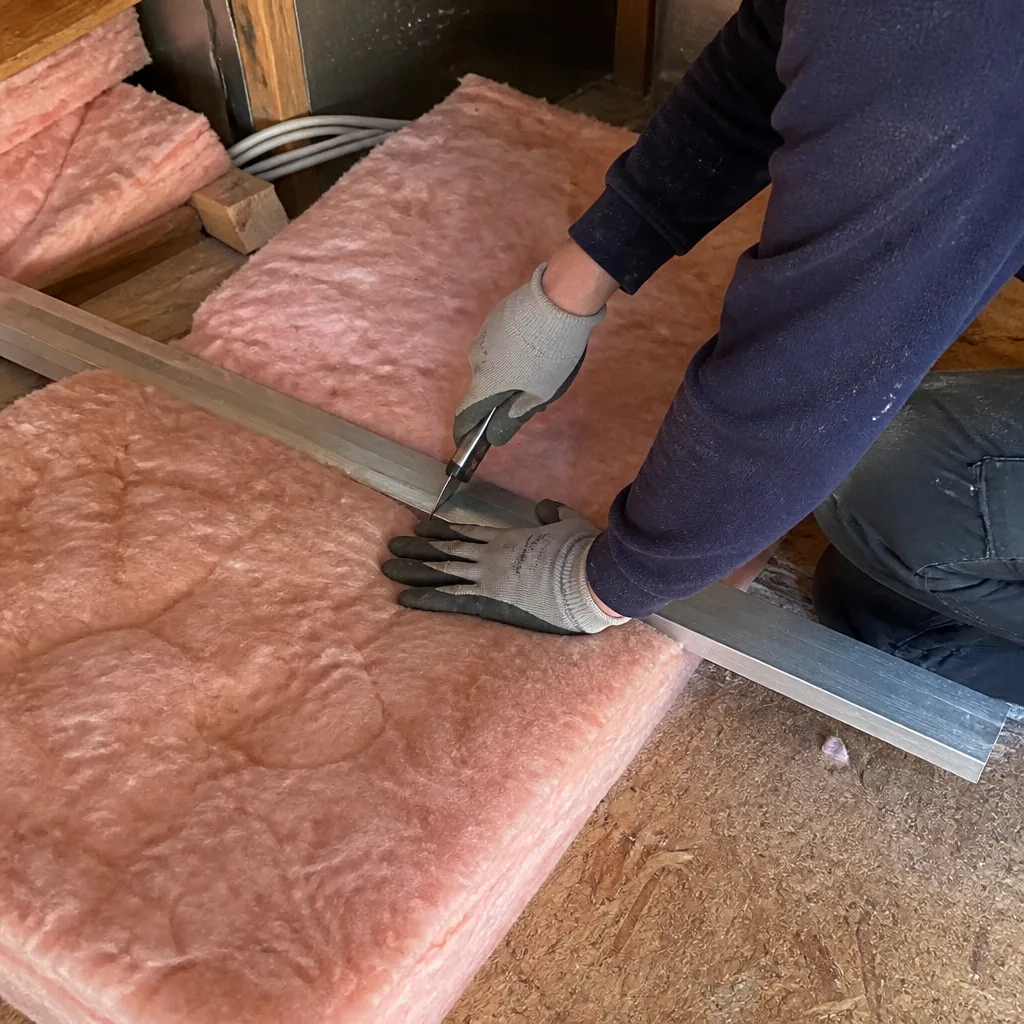
- How to Measure Installed Depth and Quantify Settling Loss
- Air-Barrier Failures: SoCal Construction Red Flags
- Marine-Layer Humidity: What to Check on the Roof Deck
- Rodent Harborage Inspection Sequence
- The Dated Written Log Format
- When to Inspect: Laguna Niguel Seasonal Timing
- Material-Specific Maintenance: Fiberglass, Cellulose, and Spray Foam
- Common Mistakes to Avoid
- When to Call a Professional
- Frequently Asked Questions
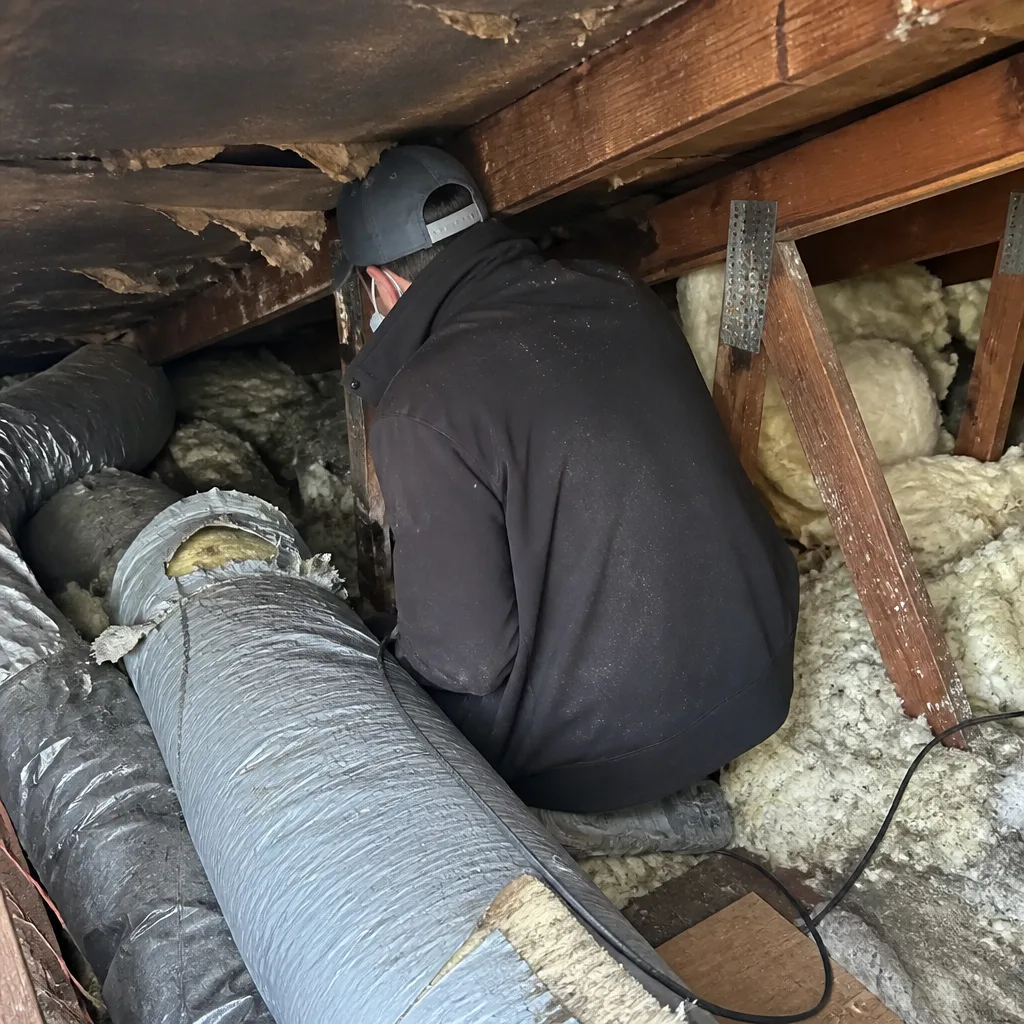 Before
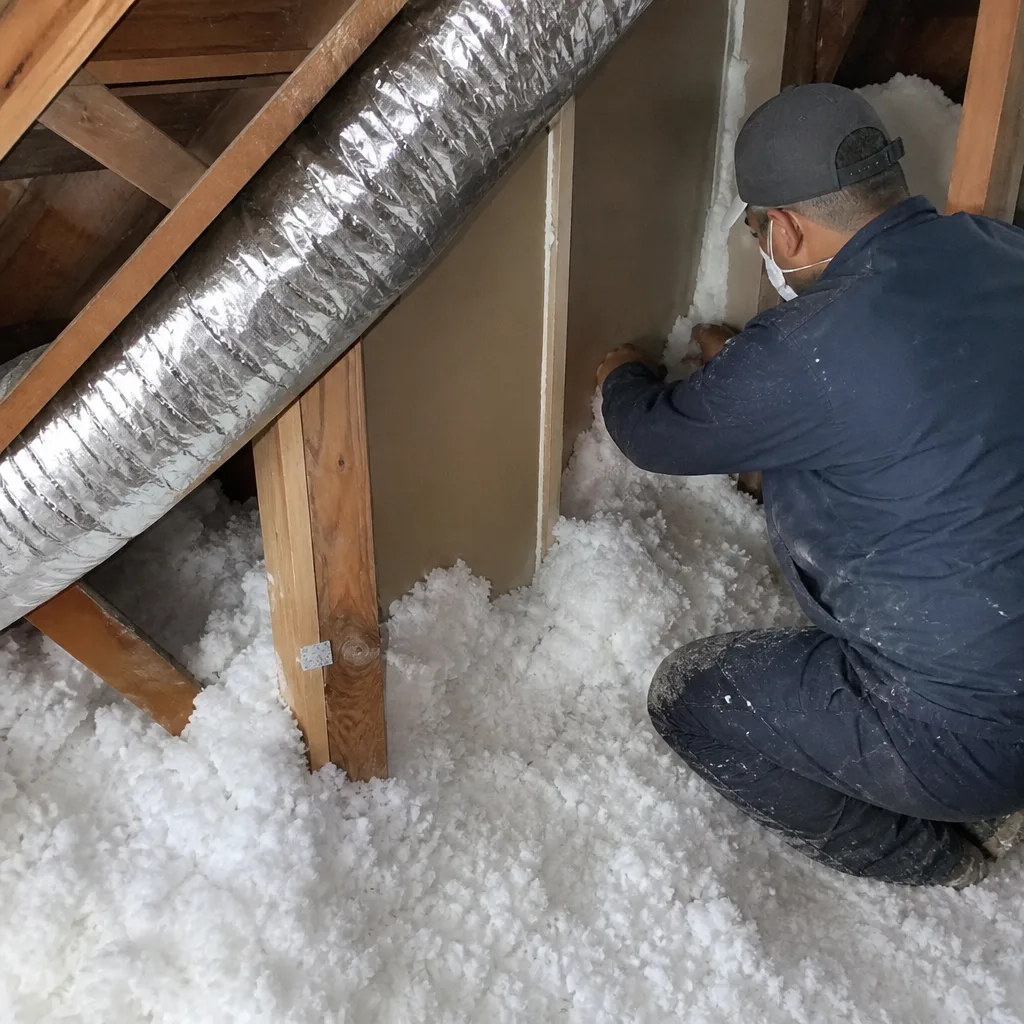 After
AfterHow to Measure Installed Depth and Quantify Settling Loss
This is where most maintenance attempts fail before they start. Homeowners look at their attic, see fluffy pink or gray material, and assume it’s fine. The only way to know is to measure against the original specification.
What You’ll Need
- A yardstick or rigid measuring tape
- A flashlight or headlamp
- Camera or phone for documentation
- The original insulation label, permit record, or previous contractor invoice (if available)
Step-by-Step Measurement Protocol
- Access safely. Use a stable ladder. Walk only on joists or a secured plywood walkboard. Never step between joists.
- Clear a test spot. Use a gloved hand to brush aside insulation until you hit the drywall or original ceiling surface. Do not compress the material while clearing.
- Measure vertically. Hold the ruler perpendicular to the ceiling surface. Record depth to the nearest quarter-inch.
- Take multiple readings. Measure at least six locations: center of attic, near each eave, near any HVAC equipment, and near the access hatch. Average these readings.
- Compare to original. If your home was built with R-30 fiberglass batts in 1987, that should read roughly 10 inches. If you’re measuring 7 inches, you’ve lost 30% of your thermal barrier.
- Photograph everything. Include the ruler in the frame, the location in the attic, and the date.
In Laguna Niguel, we regularly see 1980s and 1990s tract homes in neighborhoods like Marina Hills and Rancho Niguel with original fiberglass that’s settled to 60-70% of labeled depth. The vibration from decades of HVAC cycling, foot traffic from cable installers, and thermal expansion compresses the material. Blown-in fiberglass settles more than batts; blown cellulose settles differently, forming a denser mat.
Here’s the threshold: if measured depth is more than 15% below original spec, it’s time to consider a top-off. If it’s more than 25% below, you’re likely feeling it in your Pacific Gas & Electric bill during Laguna Niguel’s summer cooling peaks. The attic insulation in Laguna Niguel page has more on replacement vs. top-off decisions.
Air-Barrier Failures: SoCal Construction Red Flags
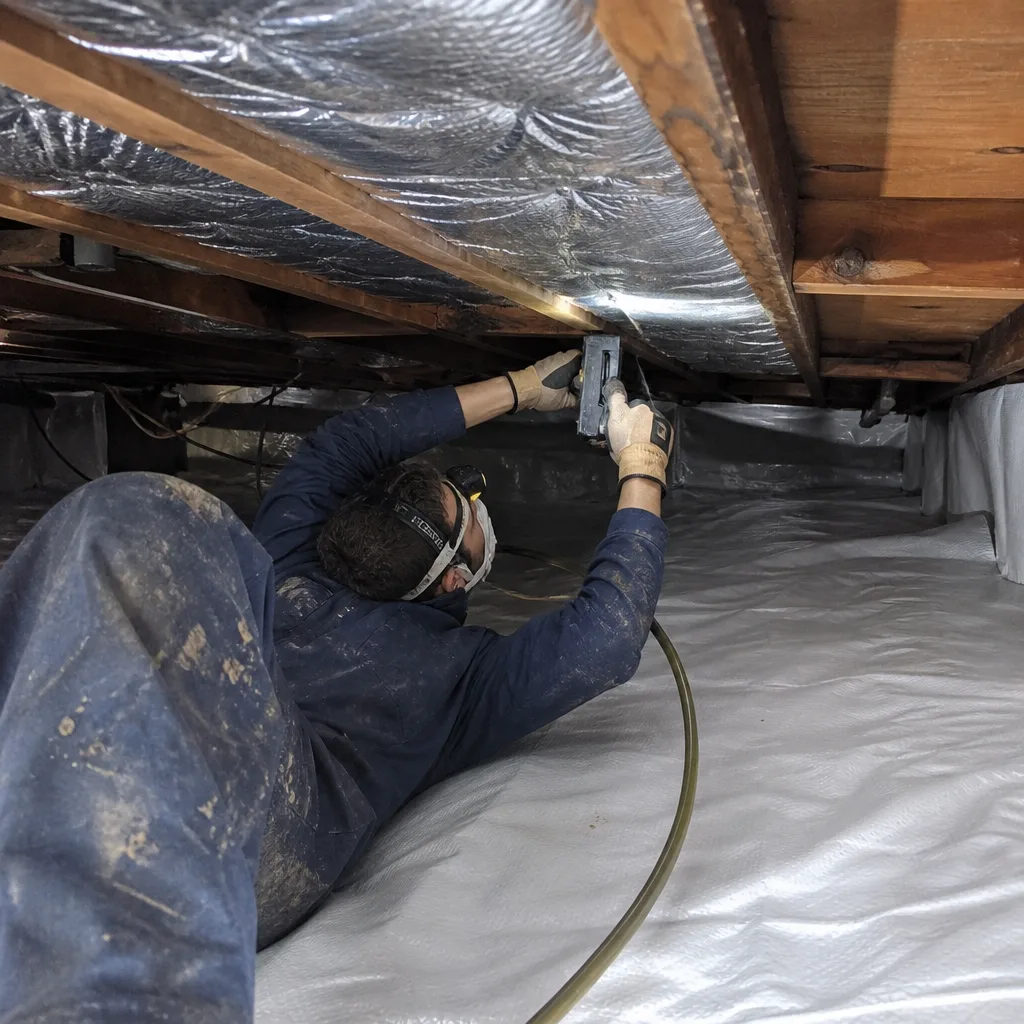
Insulation only works when air isn’t moving through it. This is the core principle our DIY vs Professional Insulation: The Laguna Niguel Homeowner’s Decision Guide explains in detail - sealed first, then insulated. An unsealed attic floor with perfect R-38 on top performs like R-15 or worse because conditioned air streams through gaps, carrying heat and moisture with it.
Laguna Niguel’s building stock has specific vulnerabilities. Homes built from 1980 through 1999, which covers most of the city, were framed with platform construction that created natural separation points at wall top plates. The original builders often skipped air sealing entirely, relying on the insulation itself to slow both heat and air flow. It doesn’t.
The Five Critical Inspection Points
- Top-plate gaps. Where interior walls meet the attic floor, the drywall rarely seals to the top plate. Shine your flashlight along the plate line; if you see gaps or daylight, that’s a thermal bypass. In Laguna Niguel’s cooling-dominated climate, this means your expensive conditioned air is dumping into the attic every time the AC runs.
- Recessed can lights. Pre-2010 IC-rated cans are common in Niguel Summit and Beacon Hill homes. Non-IC cans create a 6-inch hole in your thermal and air barrier. Look for discolored insulation around the fixture, dust streaks, or scorched batts.
- HVAC plenum gaps. The metal box where your ductwork connects to the air handler often sits on an unsealed platform. We find 1/2-inch to 2-inch gaps on roughly 40% of Laguna Niguel homes we audit. These leak supply air into the attic and pull hot attic air into return ducts.
- Bathroom fan and kitchen vent penetrations. The flex duct should connect to a sealed dampered hood. Often it doesn’t, or the damper is stuck open, creating a year-round chimney effect.
- Chimney and flue chases. Framed boxes around metal flues are rarely sealed at the attic floor. These are large, invisible bypasses.
The test: on a windy day or when your HVAC is running, hold a smoke pencil or even a thin ribbon near these gaps. Movement means leakage. Document with photos and notes. A proper air-sealing job in a 2,000-square-foot Laguna Niguel home typically takes a crew one day and, when paired with insulation top-off, delivers measurable results. We publish before-and-after blower-door numbers on every applicable job - a pressurization reading that shows, in one number, how much air your building envelope was losing before and after the work.
Marine-Layer Humidity: What to Check on the Roof Deck
Laguna Niguel’s climate is mild but peculiar for attic performance. We’re not in the desert, and we’re not on the fog belt full-time, but we get marine-layer incursions that push relative humidity above 80% for 12 to 20 mornings per month from May through August. That moisture migrates into attics, and what happens next depends entirely on your insulation type and roof ventilation.
What to Look For on the Roof Deck Underside
- Dark staining or water marks. These indicate condensation events, not roof leaks. The pattern matters: uniform spotting across the deck suggests chronic humidity; streaks following rafters suggest localized air leakage from below.
- Nail shiners. Roofing nails that frost over on cool mornings and rust later. These are humidity indicators visible even in dry weather as rust streaks.
- Mildew or mold on rafters. In Laguna Niguel, we see this most often on north-facing roof slopes where morning sun arrives latest. Cellulose insulation, which can absorb and hold moisture, accelerates this if the attic isn’t venting properly.
- Compressed or matted insulation near eaves. Where humid air enters, fiberglass loses loft. Cellulose forms a crust. Both reduce R-value and signal a ventilation imbalance.
Fiberglass doesn’t absorb water, but it loses thermal performance when surface condensation wets the fibers. Cellulose, treated with borates for fire resistance, can handle moderate moisture cycling but will degrade if chronically damp. In our experience across Laguna Niguel, from San Joaquin Hills to Crown Valley Parkway corridors, homes with continuous soffit-to-ridge ventilation and proper baffles fare significantly better. Homes with blocked soffits, gable vents only, or added insulation that buried the vents are the ones that show deck staining in year five instead of year fifteen.
If you’re considering spray foam insulation in Laguna Niguel, understand that closed-cell foam creates its own air barrier but requires careful moisture management at the roof deck. Open-cell foam allows some drying but needs a vapor retarder in our climate zone. The material choice changes what you’re looking for during maintenance.
Rodent Harborage Inspection Sequence
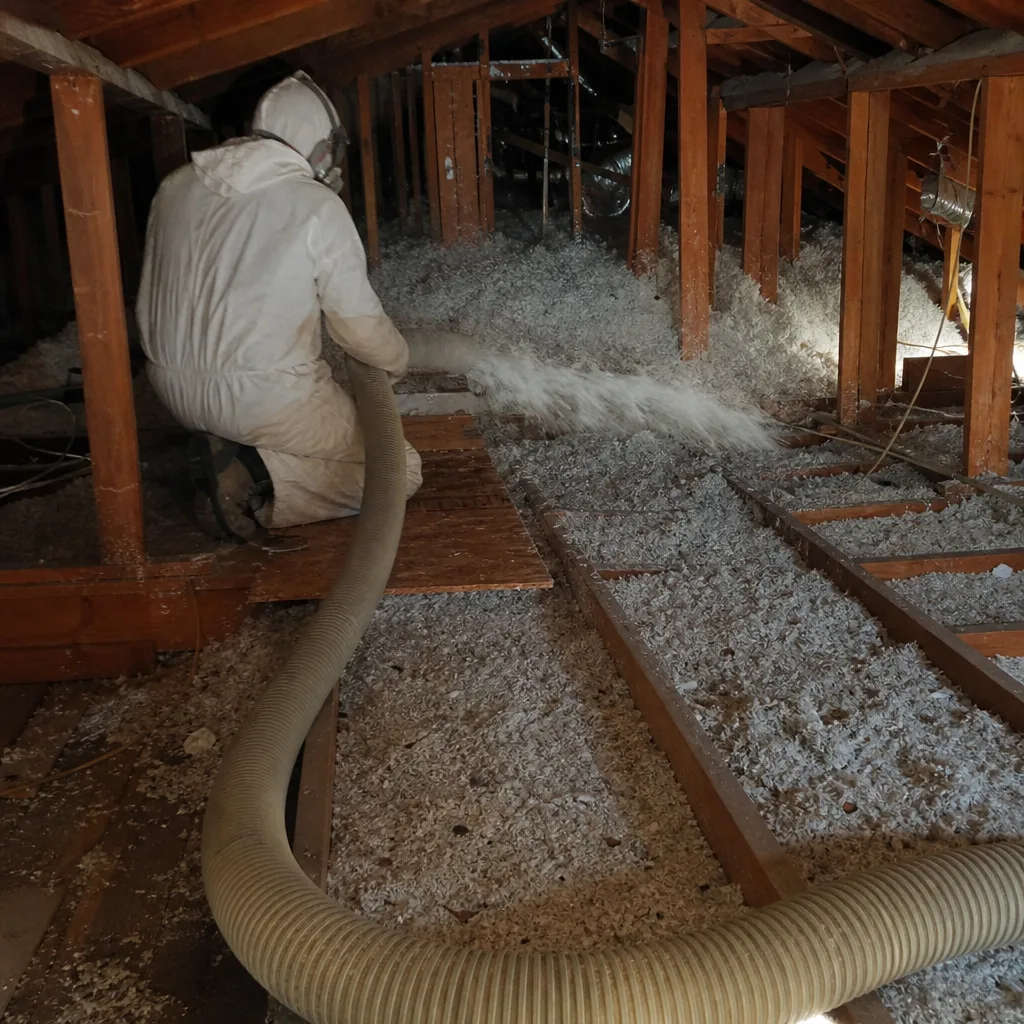
Rodents don’t just nest in insulation. They compress it, contaminate it, and create pathways for air and moisture that persist after the animals are gone. In Laguna Niguel, roof rats are the primary concern, and they’re excellent climbers with a preference for warm, undisturbed attic spaces.
Step-by-Step Rodent Inspection
- Exterior entry survey. Before entering the attic, walk the perimeter. Look for gaps at roof-to-wall intersections, damaged fascia, uncapped vents, and plumbing roof penetrations larger than 1/2 inch. Tree branches within 3 feet of the roof are bridges.
- Interior entry-point tracing. In the attic, follow any wiring or plumbing penetrations from where they enter to where they exit. Rats use these as highways. Gaps around them are entry points.
- Compression zone mapping. Rodents create runways by compressing insulation along joists and near heat sources. These paths read 1 to 2 inches below surrounding depth. Photograph and measure.
- Contamination indicators. Look for droppings (dark, pellet-shaped, 1/2 inch), urine stains (fluorescent under UV light), and cached food. Odor is a late indicator; if you smell it, the problem is established.
- Material damage assessment. Chewed wires are a fire hazard. Chewed flex duct means conditioned air is leaking into the attic. Both require immediate repair.
When to Replace vs. Sanitize
This is a judgment call with health implications. Surface droppings on top of intact fiberglass, with no urine saturation, can often be removed and the area sanitized. Cellulose that has been burrowed into extensively is usually compromised throughout the depth. Any insulation with visible urine staining or heavy contamination should be removed and replaced. We handle Topside Attic Insulation Laguna Niguel home services including insulation removal and replacement with full documentation.
After remediation, exclusion is critical. We see too many Laguna Niguel homes where the insulation was replaced but the entry points weren’t sealed. The rats return in six months. A proper job seals first, then insulates.
The Dated Written Log Format
This is the element almost no homeowner maintains, and it’s the one that transforms maintenance from guesswork into a transferable asset. When you sell your Laguna Niguel home, a written attic maintenance log tells buyers and inspectors that the envelope was cared for, not ignored.
Log Format Template
Create a simple document, digital or physical, with these fields:
- Date of inspection
- Inspector name (you or contractor)
- Weather conditions (temperature, recent rain, humidity if known)
- Measured depths by location (with photos referenced)
- Air-barrier findings (gaps noted, locations described)
- Roof deck condition (staining, nail shiners, mold)
- Rodent evidence (none, minor, moderate, heavy)
- Actions taken (none, DIY air sealing, professional service scheduled)
- Next inspection date
Store photos in a dated folder that matches the log entries. If you hire a contractor, request their photos and append them. Under Haven Standard, every job we complete includes a Documented Photo Record - included on every job, not available on request. You should demand the same from any contractor you hire.
This log becomes particularly valuable in Laguna Niguel’s real estate market, where buyers are sophisticated and often request pre-sale inspections. A home with five years of documented attic maintenance commands more confidence than one with zero history.
When to Inspect: Laguna Niguel Seasonal Timing
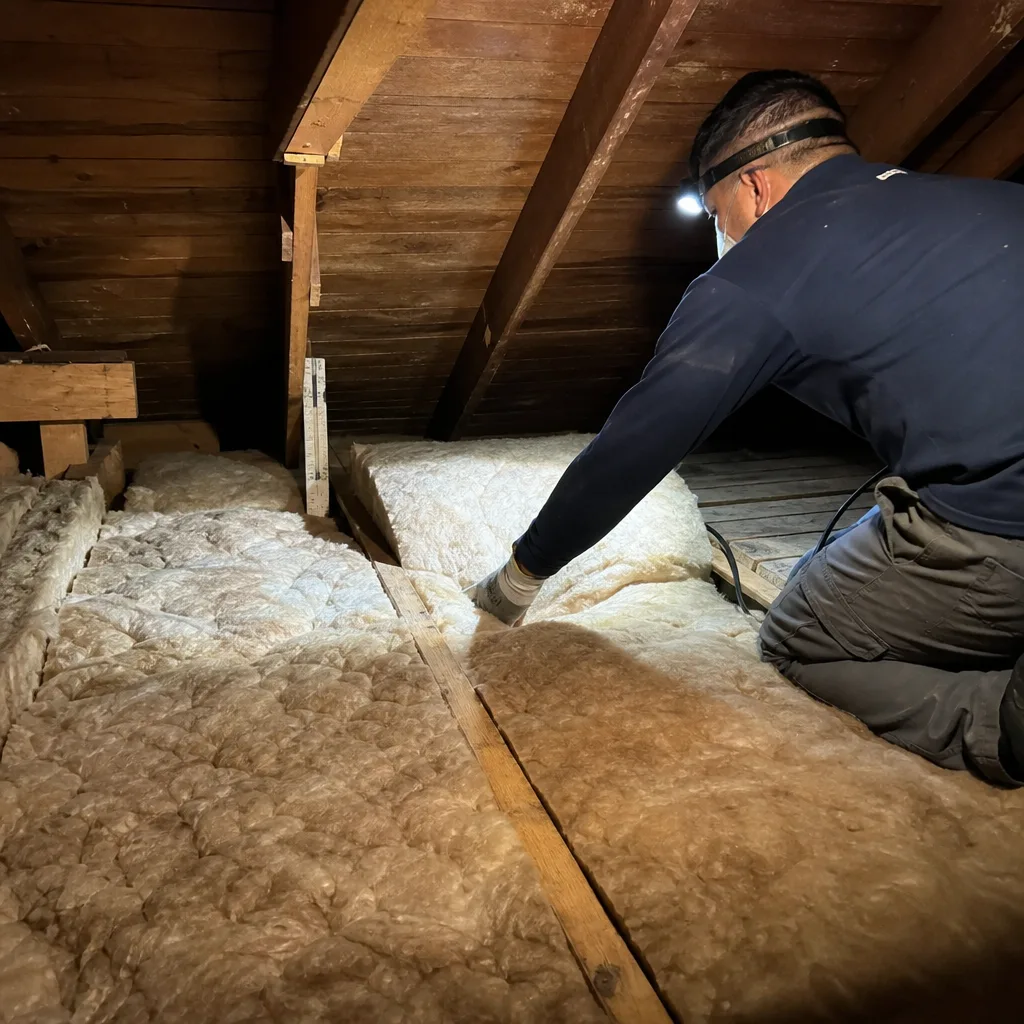
Timing matters for what you’ll observe. The marine-layer pattern here creates distinct inspection windows.
Late September through November: Ideal for baseline assessment. The marine layer has retreated, the roof deck is dry, and you can distinguish chronic staining from recent weather. This is when we recommend the annual depth check.
January through March: Best for air-leak detection. Temperature differentials are highest - warm interior air against cool attic air - so smoke-pencil tests are most revealing. This is also when rodents are most active in attics, seeking warmth.
May through July: Critical for humidity assessment. Early morning marine-layer days let you observe actual condensation events. If you’re going to find nail shiners or fresh deck staining, this is the window.
Avoid mid-August inspections unless you suspect an active problem. The attic is simply too hot for safe, thorough work, and heat stress can make fiberglass appear more compressed than it actually is.
For most Laguna Niguel homeowners, the practical rhythm is: full inspection in October, air-leak check in February, and a quick humidity-focused look during the first marine-layer morning in May. That’s three visits, each under an hour once you know your attic.
Material-Specific Maintenance: Fiberglass, Cellulose, and Spray Foam
What you’re looking for depends on what’s installed. Each material fails differently in our climate.
Blown Fiberglass
Most common in Laguna Niguel homes from 1985 to 2005. Check for: settling (measure, don’t guess), wind-washing at eaves where ventilation air has scoured the material away from the plate line, and discoloration from dust infiltration indicating air bypasses. Top-off material should match density and type; mixing blown fiberglass with cellulose creates stratification issues. Owens Corning and CertainTeed both publish settling-adjusted coverage charts that help you calculate how many bags are needed for a given R-value target.
Blown Cellulose
Gained popularity in the 2000s for its recycled content and better air-sealing performance when dense-packed. Check for: moisture crusting (surface hardening that indicates humidity cycling), pest damage (cellulose is more attractive to insects than fiberglass), and settling that’s harder to assess because the material compacts into a uniform mat. GreenFiber and other cellulose products treated with borates resist pests and fire but not chronic damp. If you find crusting, check your ventilation before adding more material.
Spray Foam (Open-Cell and Closed-Cell)
Increasingly common in Laguna Niguel renovations and additions. Check for: yellowing or browning (UV degradation if exposed, or chemical breakdown from heat), delamination from substrates (the foam pulls away from the roof deck or wall), and odor. Properly installed Icynene or Demilec open-cell foam should not off-gas after curing. If you smell a sweet or chemical odor years after installation, that’s a flag. Closed-cell foam should be inspected for impact damage; it’s rigid and can crack if walked on or struck.
Spray foam changes your maintenance approach because it serves as both insulation and air barrier. Failures are less about settling and more about installation quality and environmental exposure. The spray foam insulation in Laguna Niguel page covers installation standards that prevent these issues.
Hybrid Systems
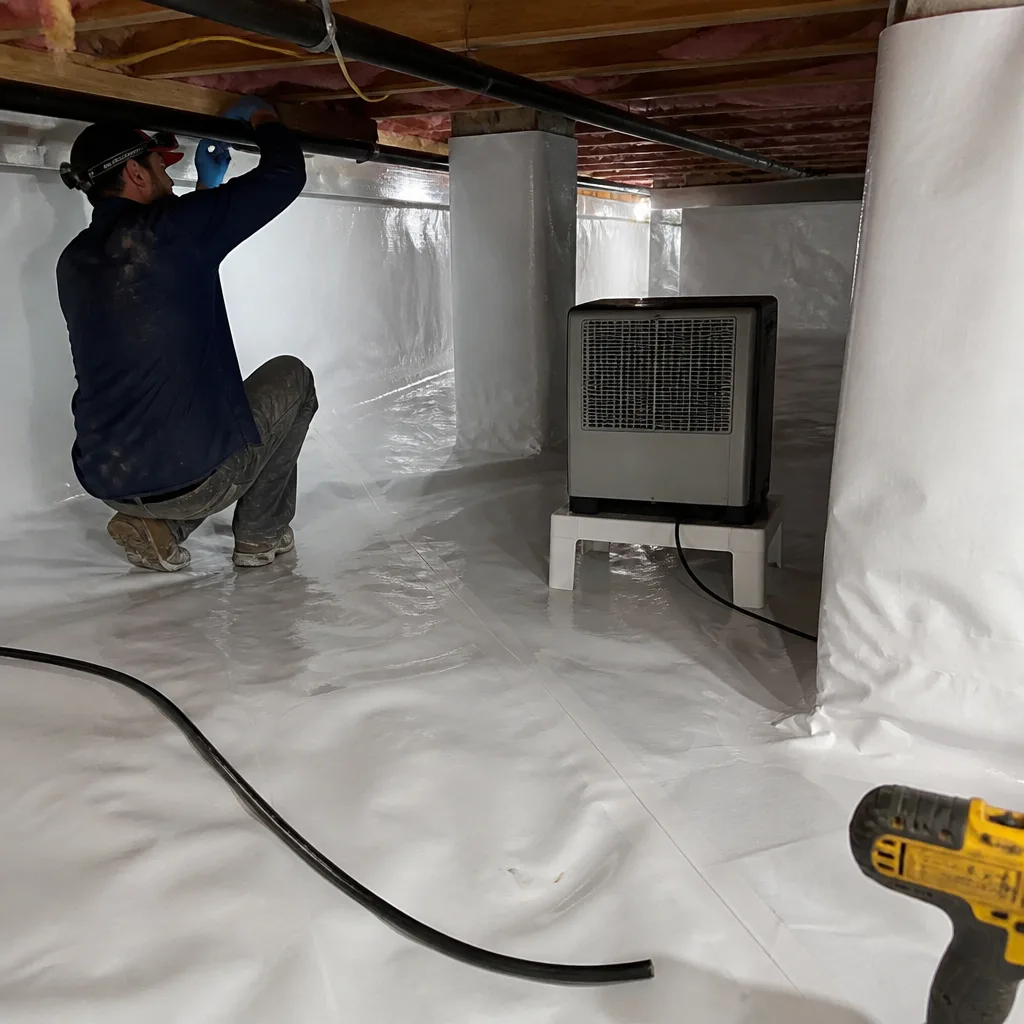
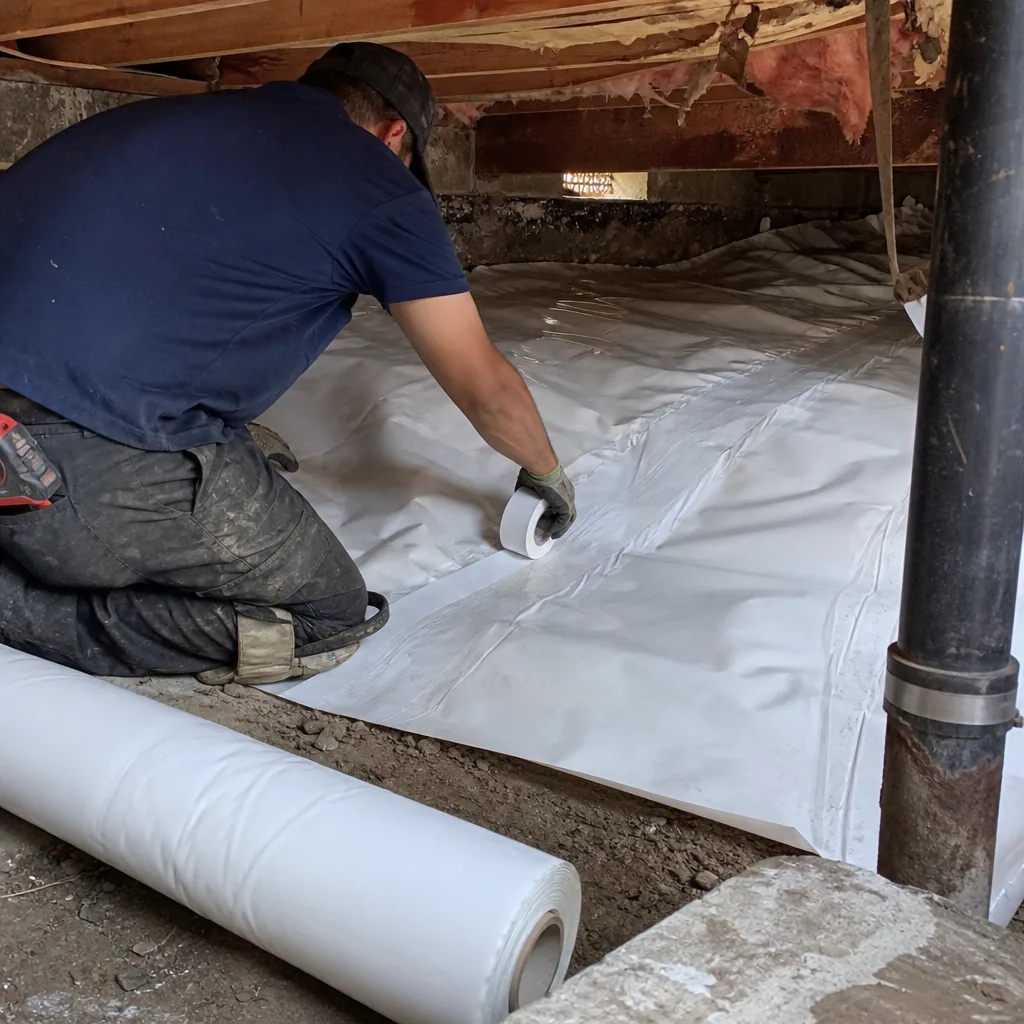
Some Laguna Niguel homes, especially those with crawl space encapsulation & vapor barrier in Laguna Niguel work, have combined attic and crawl space strategies. Maintenance must be coordinated. A sealed, conditioned attic with spray foam and a sealed crawl space with vapor barrier creates a very different pressure dynamic than a vented attic over a vented crawl. Your inspection log should note both spaces and any interaction between them.
Common Mistakes to Avoid
- Adding insulation over unsealed air leaks. This is the most expensive mistake we correct. The new insulation masks the problem, compresses over time from air movement, and wastes material. Seal first, then insulate.
- Compressing insulation with storage boards. That plywood sheet you laid down for holiday decoration storage? It’s crushing R-7 to R-10 out of your thermal barrier. Use raised storage platforms that span multiple joists and maintain clearance.
- Blocking soffit vents with added insulation. Common in eave-heavy Laguna Niguel designs like those in Ocean Ranch. Without baffles, blown insulation fills the vent channel, killing airflow and creating the humidity problems you’re trying to prevent.
- Ignoring the access hatch. The attic pull-down is often uninsulated and unsealed, creating a 2-square-foot hole in your envelope. Weatherstrip the frame and attach a rigid insulation board to the hatch itself.
- DIY rodent cleanup without proper PPE. Hantavirus and other pathogens are real risks. If contamination is more than surface-level, the material should be removed by technicians with proper equipment, not bagged by a homeowner with a dust mask.
- Using recessed lights as inspection paths. Walking near can lights to check them often cracks the ceiling or damages the fixture. Inspect from a distance with a bright flashlight or telephoto camera lens.
- Failing to check after any roof work. New shingles, solar panel installation, or satellite dish mounting often disturbs insulation and creates penetrations. Re-inspect within 30 days of any roof trade activity.
When to Call a Professional
Some conditions exceed homeowner maintenance. Call a professional if you find: active rodent infestation with contamination, any electrical damage or chewed wiring, roof deck mold covering more than 10 square feet, spray foam delamination or odor, or if your measured depth is more than 25% below original specification and you’re not equipped to add material safely. Also call if your home was built 1980-1999 and has never had a blower-door test - the baseline air-leakage number will change how you prioritize every other maintenance item.
Topside Attic Insulation Laguna Niguel offers free estimates in Laguna Niguel. We’ll measure your current performance, show you the numbers, and give you a written price before any work starts. Call (949) 403-8361. Under Haven Standard, you get a flat price, written scope, and written warranty before anyone lifts a tool.
Frequently Asked Questions
Every 18 to 24 months for a full inspection, with a quick depth check annually. The marine-layer humidity cycles here accelerate certain failure modes compared to inland Orange County. Homes built 1980-1999 should lean toward the 18-month interval due to original construction air-sealing shortcuts. Call (949) 403-8361 for a free estimate if you’re unsure where your home falls.
Most attic insulation top-off jobs in a 1,800 to 2,400 square foot Laguna Niguel home run between $1,800 and $3,400, depending on current depth, target R-value, and whether air sealing is needed first. Full removal and replacement with air sealing typically ranges $4,500 to $7,500. We provide a written price before any work starts, always. Call (949) 403-8361 for an exact quote - estimates are free.
Yes, if the old material is dry, uncontaminated, and uncompressed. Fiberglass on fiberglass is fine; cellulose on cellulose is fine. Avoid mixing types in the same layer. Never add new material over wet, moldy, or rodent-contaminated insulation. That traps the problem and creates health hazards. When in doubt, remove and start clean.
Current California Title 24 standards call for R-38 to R-49 in our climate zone, depending on exact location and construction type. Many Laguna Niguel homes were built with R-19 to R-30. The practical target for most retrofits is R-38, which provides strong performance without excessive material cost. Going to R-49 makes sense if you’re also doing comprehensive air sealing, since the combined effect justifies the incremental investment.
Likely causes: humidity cycling has activated microbial growth in dust on the insulation surface, or you have a small air leak pulling moisture from a bathroom or kitchen into the attic. The smell often precedes visible mold by months. A blower-door test will locate the leak; an inspection with a moisture meter will confirm if the insulation itself is damp.
Yes. Insulation is a thermal barrier, not an air barrier. Air moving through insulation strips away 30% to 50% of its effective performance in typical Laguna Niguel homes we’ve tested. We will never blow insulation over an unsealed attic floor. The before-and-after blower-door numbers prove why: we’ve seen 4,200 CFM50 drop to 2,100 after sealing, meaning the home lost half its air leakage through targeted work. That’s the performance change you paid for, documented.
Check the five critical points in this guide. If you find separated top plates, unsealed can lights, or HVAC plenum gaps, your home has the standard construction shortcuts of that era. In neighborhoods like Beacon Hill and Niguel Summit, we find these conditions in roughly 70% of homes that haven’t had professional air sealing. The good news: they’re fixable, and the energy payback is typically 3 to 5 years.
The Bottom Line
Attic insulation maintenance is measurable, not mysterious - for more guides & resources, see our blog. Start with depth against original spec. Check five air-barrier points that fail predictably in Laguna Niguel’s 1980s-1990s construction stock. Read the roof deck for humidity signatures during marine-layer season. Inspect for rodent evidence methodically. Log everything with dates and photos. Do this every 18 to 24 months, and you’ll catch problems when they’re $800 fixes instead of $6,000 replacements. The homeowners who stay ahead of this are the ones who never wonder why their summer electric bill jumped 40% in a single year.
Written by Wes Okafor, Owner at Topside Attic Insulation Laguna Niguel, serving Laguna Niguel since 2016.