
Last updated September 24, 2026
How to Hire a Insulation Contractor in Laguna Niguel: A Step-by-Step Guide
California’s CSLB licenses insulation contractors under Classification C-2, Insulation and Acoustical. That license permits a contractor to sell and install fiberglass batts, blown cellulose, or spray foam. It does not require ownership of a blower-door, familiarity with ACH50, or any documented testing protocol. In Laguna Niguel, where Title 24 energy codes are strict and summer attic temperatures exceed 140°F, the gap between a legal contractor and a competent one is wide. We’ve seen it from San Joaquin Hills to Niguel Summit: homeowners who screened three bids by price and star rating, then ended up with insulation stuffed over unsealed can lights and top plates, their attic floor still leaking conditioned air at 4,000 CFM50. This guide builds a vetting sequence around documentation requirements, not personality or reviews. You’ll learn the exact license to verify, the five questions that separate building science from material installation, how to read a quote for hidden upsell structures, and what paperwork you should hold before anyone starts and when they leave.
Quick Answer
To hire an insulation contractor in Laguna Niguel, verify an active C-2 license at cslb.ca.gov with no disciplinary history, then interview candidates with five documentation-focused questions about blower-door testing, air-sealing sequence, and written scope contents. Only sign a contract that specifies R-values by zone, air-sealing locations, test protocols, and post-job deliverables including pre/post blower-door numbers and product data sheets.
Table of Contents
- Step 1: Verify the C-2 License (and What “Active” Actually Means)
- Step 2: Ask These Five Questions Before You Request a Quote
- Step 3: Demand a Written Scope That Includes These Elements
- Step 4: How to Read a Quote and Spot Upsell Structures
- Laguna Niguel Climate, Code, and Neighborhood Considerations
- Step 5: The Post-Job Documentation You’re Entitled To
- Common Mistakes to Avoid
- When to Call a Professional
- Frequently Asked Questions
- The Bottom Line
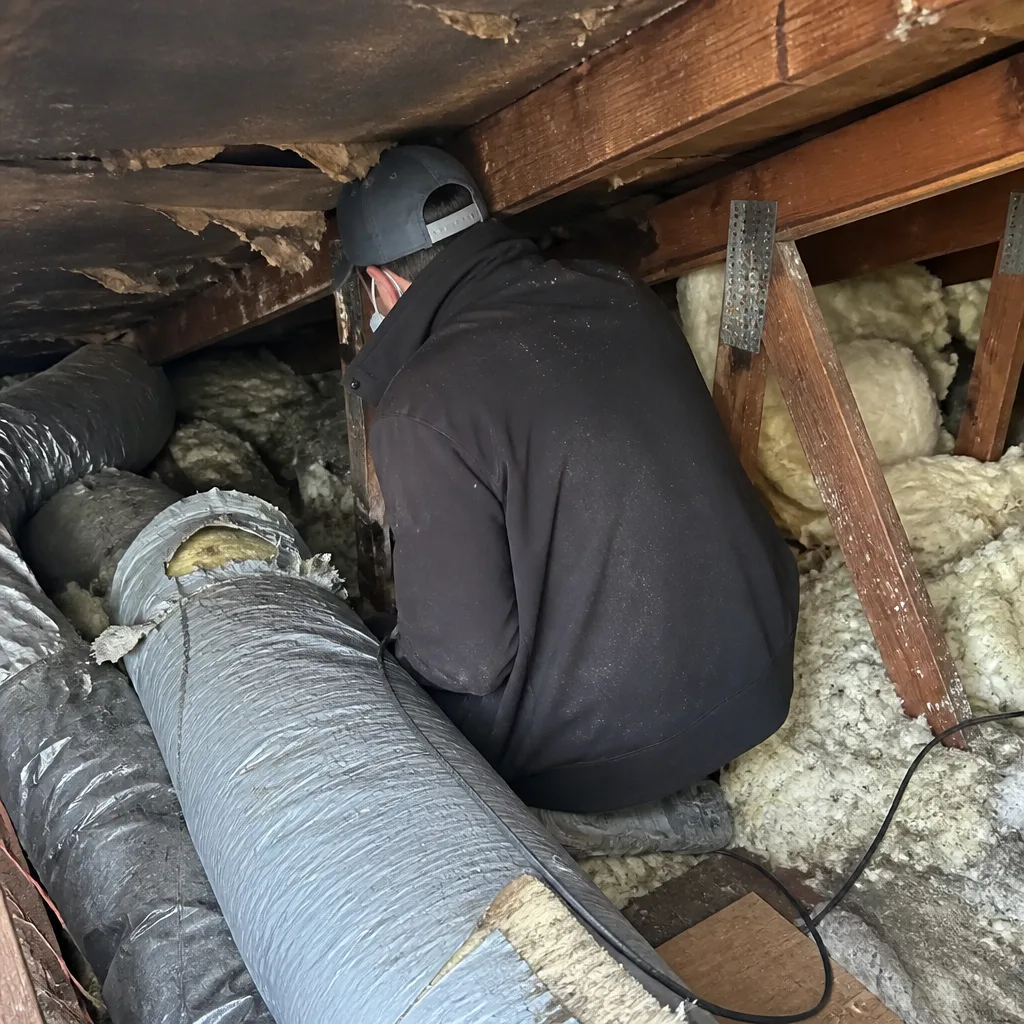 Before
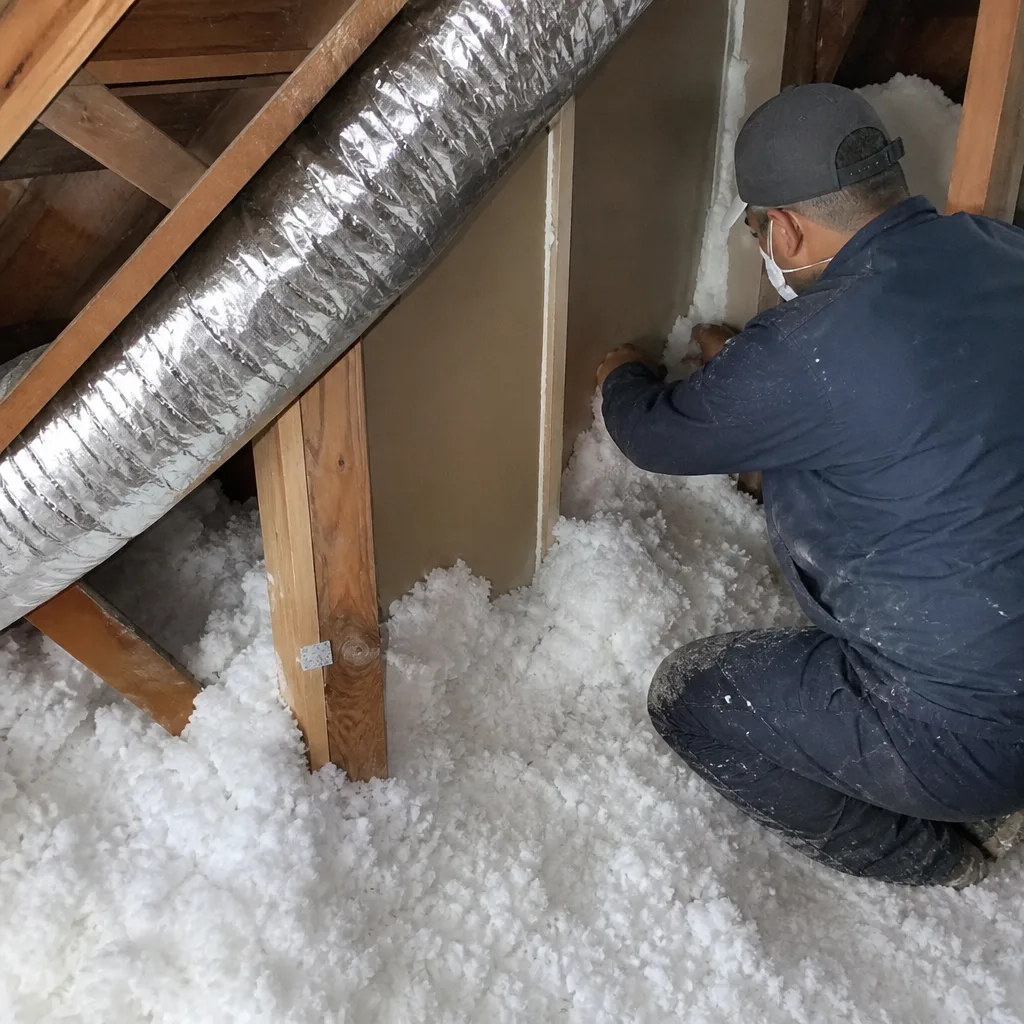 After
AfterStep 1: Verify the C-2 License (and What “Active” Actually Means)
Every insulation contractor working in Laguna Niguel must carry a C-2 classification from the California State License Board. This is not optional, not interchangeable with a general B license, and not something you take the contractor’s word for.
Here’s how to run the check yourself:
- Go to cslb.ca.gov and click “Check a License.”
- Enter the contractor’s business name or six-digit license number.
- Confirm the classification line reads C-2 - Insulation and Acoustical. A B-General Building contractor can legally subcontract insulation work, but if they’re selling you insulation directly, they need the C-2 or must disclose that they’re using a licensed subcontractor.
- Check the License Status field. “Active” means current bond and insurance are on file. “Inactive,” “Suspended,” or “Revoked” are automatic disqualifiers.
- Scroll to Disciplinary Actions. A clean record shows nothing. Any entry, even “Citation Issued,” warrants a direct question to the contractor about what happened and when.
- Verify Workers’ Compensation Insurance is listed as “Exempt” (owner-operator with no employees) or shows a current policy. In California, uninsured workers on your property create liability exposure for the homeowner.
What you’re looking for is boring: an active C-2, no disciplinary actions, current workers’ comp or a valid exemption, and a bond on file. Anything else is a conversation you should have before scheduling a site visit. We’ve heard from homeowners in Laguna Niguel who assumed a contractor’s license was current because their website displayed a number. The site hadn’t been updated since 2019. The license had been suspended for six months.
One more check: local business license. The City of Laguna Niguel requires a business license for contractors performing work within city limits. It’s a separate document from the CSLB license, and legitimate contractors carry it without prompting. Ask to see it. The absence doesn’t mean fraud, but it does mean someone is cutting administrative corners.
Step 2: Ask These Five Questions Before You Request a Quote
These five questions are designed to separate contractors who understand building science from those who install material. Ask them in a phone call or email before inviting anyone to your home. The answers will tell you more than a hundred online reviews.
Question 1: “Will you run a blower-door test before and after the work?”
The correct answer is yes, with specific protocol. A blower-door test is a pressurization reading that shows, in one number, how much air your building envelope is losing. Measured in CFM50 (cubic feet per minute at 50 Pascals of pressure), it quantifies leakage. A contractor who says “we don’t need to, we can see the leaks” or “that’s only for new construction” is treating insulation as a cosmetic upgrade, not a performance improvement. The follow-up: “What CFM50 reduction do you typically see on a retrofit like mine?” A competent contractor has numbers from recent jobs. In our experience with Laguna Niguel homes built 1985-2005, pre-retrofit readings often fall between 3,500 and 5,500 CFM50, and well-executed attic air sealing with insulation upgrades typically achieves 30-50% reduction.
Question 2: “In what order do you perform air sealing and insulation?”
The correct answer: air sealing first, insulation second. Always. A contractor who proposes blowing cellulose or fiberglass over an unsealed attic floor is installing a filter, not a thermal barrier. The air leaking through top plates, can light penetrations, duct boots, and chimney chases will continue to move, carrying moisture and conditioned air through the new insulation. We’ve removed years-old insulation in Laguna Niguel attics where the material was black-streaked from dust filtration at leak sites, its R-value degraded by air movement. The right sequence is seal, test to verify, then insulate. Any other order is a red flag.
Question 3: “What does your written scope include before work starts?”
The correct answer: a detailed document specifying R-value by zone (attic floor, knee walls, ductwork), air-sealing locations (enumerated, not “as needed”), insulation type and brand, and a protocol for job-completion verification. If the contractor says “we’ll give you a quote with the price and a description,” that’s insufficient. Under Haven Standard Clause 1, every job begins with a written price, written scope, and written warranty before anyone lifts a tool. A contractor unwilling to document what they’re doing is a contractor unwilling to be held to what they did.
Question 4: “Is air sealing included in your base price or priced separately?”
This reveals workflow philosophy. Air sealing priced as a line-item add-on signals that the contractor views it as optional, not foundational. In our approach, air sealing of top plates, can lights, and penetrations is completed before any insulation is added. It’s not an upsell. It’s the first step. A quote structure that lists “Attic Insulation: $X” and “Air Sealing (Recommended): $Y” is telling you their default is incomplete work. The total price may be similar, but the philosophy behind it is not.
Question 5: “What documentation do I receive when the crew leaves?”
The correct answer: installed product data sheets, a documented photo record of work areas, and on applicable jobs, before-and-after blower-door numbers. A contractor who says “we’ll leave you the warranty” or “you can call us if you have questions” is describing 1985. Modern envelope work produces data. You should hold it. In Laguna Niguel’s climate, where cooling loads dominate energy bills, the blower-door number is your proof that the money you spent changed how your house performs.
Step 3: Demand a Written Scope That Includes These Elements
A written price is not a written scope. A scope is the contract’s technical appendix, the document that defines what “done” looks like. Without it, disputes default to memory and goodwill. We’ve mediated too many of those. Here’s what belongs in every insulation scope for a Laguna Niguel home:
- R-value by zone. Title 24 prescribes minimum R-values for attic floors (typically R-38 to R-49 for existing homes in this climate zone), but the scope should state the target for each distinct area: attic floor, knee walls, ductwork in unconditioned space, and any garage ceiling separation.
- Insulation type and brand. Specify the product, not just the category. “Blown fiberglass” is vague. “Knauf Jet Stream Ultra blown fiberglass, or equivalent approved in writing” is specific. This matters for warranty claims and for verifying that what was installed matches what was specified.
- Air-sealing locations, enumerated. Not “seal attic penetrations.” List: top plates at all interior and exterior walls; can light housings (IC-rated or non-IC, with appropriate treatment); plumbing and electrical penetrations; chimney chases with fire-rated barrier; duct boots and plenum connections; attic access hatch or door with weatherstrip and insulation cap.
- Blower-door test protocol. State that a test will be performed before work begins, after air sealing and before insulation, and after insulation is complete. Specify the target: either a percentage reduction from baseline or an absolute CFM50 target appropriate to the home’s size and construction era.
- Deliverables at job completion. Product data sheets for installed materials, photo documentation of work areas, blower-door test results with date and technician signature, and any Title 24 compliance certificates required for permit closure.
- Warranty terms. Duration, coverage scope, and the process for invoking it. Under our 365-Day Done Right Promise, if it’s not done right, we make it right. The mechanism should be in writing before work starts.
In Laguna Niguel, permit requirements vary by project scope. Attic insulation retrofit without structural modification often does not require a building permit, but any work involving spray foam in occupied space, crawl space encapsulation with vapor barrier, or insulation removal with potential hazardous material disturbance may trigger permit and inspection requirements. A written scope should note whether permits are included in the contractor’s scope or are the homeowner’s responsibility.
Step 4: How to Read a Quote and Spot Upsell Structures
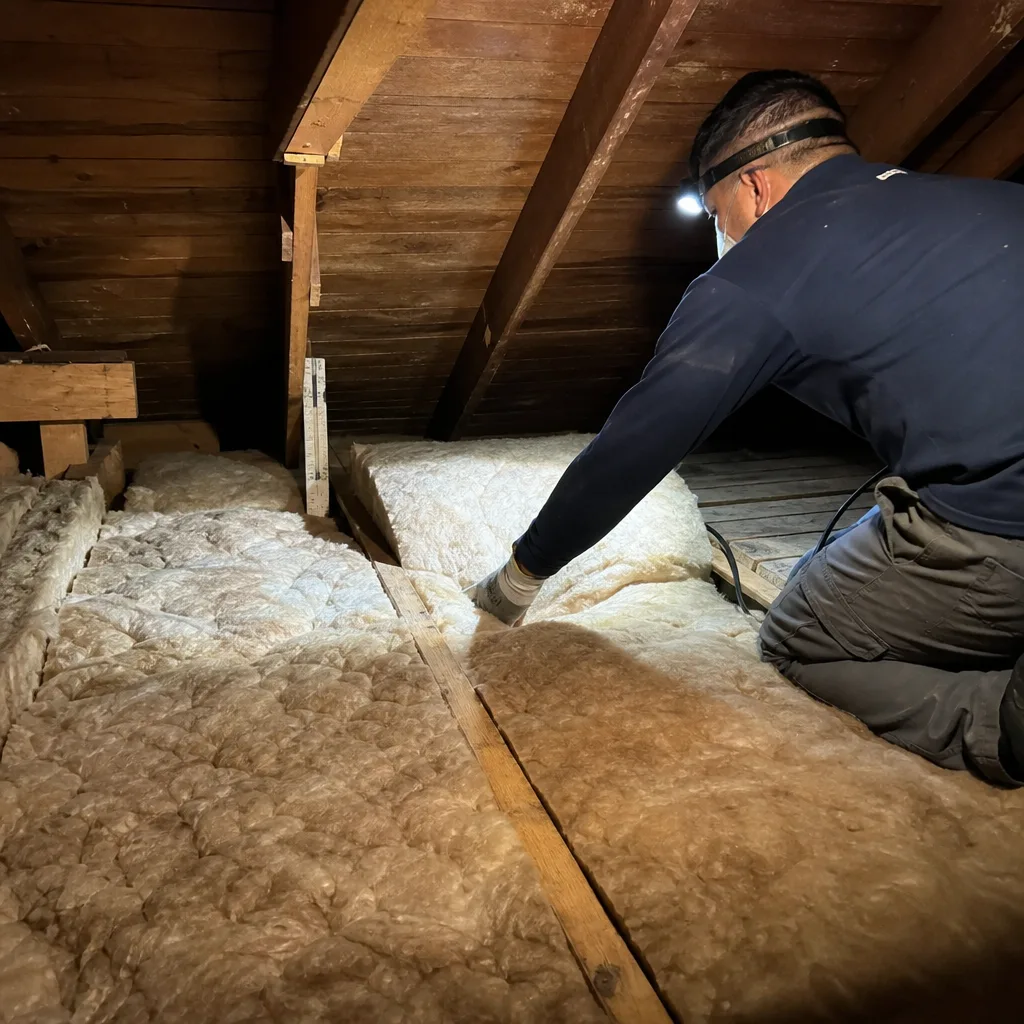
Quotes from insulation contractors in Laguna Niguel typically arrive in one of three structures. Each signals something about the contractor’s approach.
Structure A: Single-Line Item
“Attic insulation: $3,200.” No breakdown of material, labor, or preparation. This is common among low-price competitors and is a warning. You cannot verify what was included, what was excluded, or whether air sealing was performed at all. We’ve been called to homes in Crown Valley and Beacon Hill where the previous contractor’s “attic insulation” quote left the can lights unsealed and the top plates leaking. The homeowner paid for R-38 and got R-38 over a sieve.
Structure B: Base Plus Options
“Attic insulation: $2,800. Air sealing (recommended): $950. Blower-door test: $400.” This is the upsell structure. Air sealing and testing are presented as enhancements, not fundamentals. The base price competes on comparison sites; the total price emerges only after the homeowner feels invested. The philosophical problem: this contractor’s default workflow is incomplete. They will perform the full job only if you pay extra for what should be standard.
Structure C: Integrated Performance Package
“Building envelope retrofit: $4,600. Includes: attic air sealing (enumerated locations), blower-door test pre/post, blown fiberglass insulation to R-49 (Knauf Jet Stream Ultra or equivalent), documented photo record, product data sheets, 365-day performance warranty.” This structure treats the work as a system, not a product. The price is higher than Structure A’s headline, often competitive with Structure B’s total, and it includes verification that the work performed as designed.
When comparing quotes in Laguna Niguel, normalize to the same scope. A quote without air sealing is not a lower price for the same work. It’s a different job entirely. Ask each contractor to bid the identical scope, then compare. If a contractor refuses to bid air sealing as included, that’s information about their business model.
One local factor: Laguna Niguel’s housing stock includes significant 1970s-1990s construction with original insulation well below current standards. These homes often have complex rooflines with vaulted ceilings, knee walls, and conditioned attic conversions that complicate straightforward R-value pricing. A legitimate quote for these homes requires a site visit and measurement, not a per-square-foot phone estimate.
Laguna Niguel Climate, Code, and Neighborhood Considerations
Laguna Niguel sits in California Climate Zone 6, a mixed marine climate with significant cooling loads. Summer afternoons regularly push attic temperatures past 140°F, and winter nights occasionally drop below 40°F. This asymmetry matters for insulation strategy: cooling-season performance often drives comfort complaints more than heating-season performance, and radiant heat gain through poorly insulated roof decks is a distinct problem from conductive loss through attic floors.
Title 24, California’s energy code, applies to new construction and alterations with permit. For retrofits without permit, compliance is technically voluntary, but contractors who understand the code build to it regardless. Key Title 24 requirements relevant to Laguna Niguel work:
- Attic insulation in existing wood-framed buildings: minimum R-38 in Climate Zone 6, with R-49 required for new construction and some major alterations.
- Air sealing: mandatory for new construction, strongly recommended for retrofits. The code specifies sealed top plates, sealed penetrations, and draft-stopped open framing.
- Duct insulation and sealing: R-6 minimum for ducts in unconditioned space, with leakage testing required for new systems.
Neighborhood-specific considerations we’ve encountered:
San Joaquin Hills and Niguel Summit: Larger homes from the 1980s-1990s with complex HVAC zoning and extensive ductwork in attic space. These benefit significantly from duct sealing concurrent with insulation upgrade, and the blower-door number is especially revealing because the duct leakage often dominates the envelope leakage.
Beacon Hill and Marina Hills: Older homes with original batt insulation, frequently compressed or displaced by prior roofing work or rodent activity. Insulation removal and replacement is common here, and the scope must address cleaning and attic preparation before new material goes in.
Crown Valley and South Laguna Niguel: Newer construction with tighter envelopes but often minimal attic insulation installed to code minimum at time of build. These homes respond well to blown-in upgrade over existing batts, provided the attic floor is sealed first.
Coastal influence from nearby Dana Point and Laguna Beach moderates temperatures slightly but increases humidity exposure. Crawl spaces in lower-elevation Laguna Niguel homes, particularly those near Aliso Creek, benefit from vapor barrier installation and moisture management as part of envelope work.
Step 5: The Post-Job Documentation You’re Entitled To
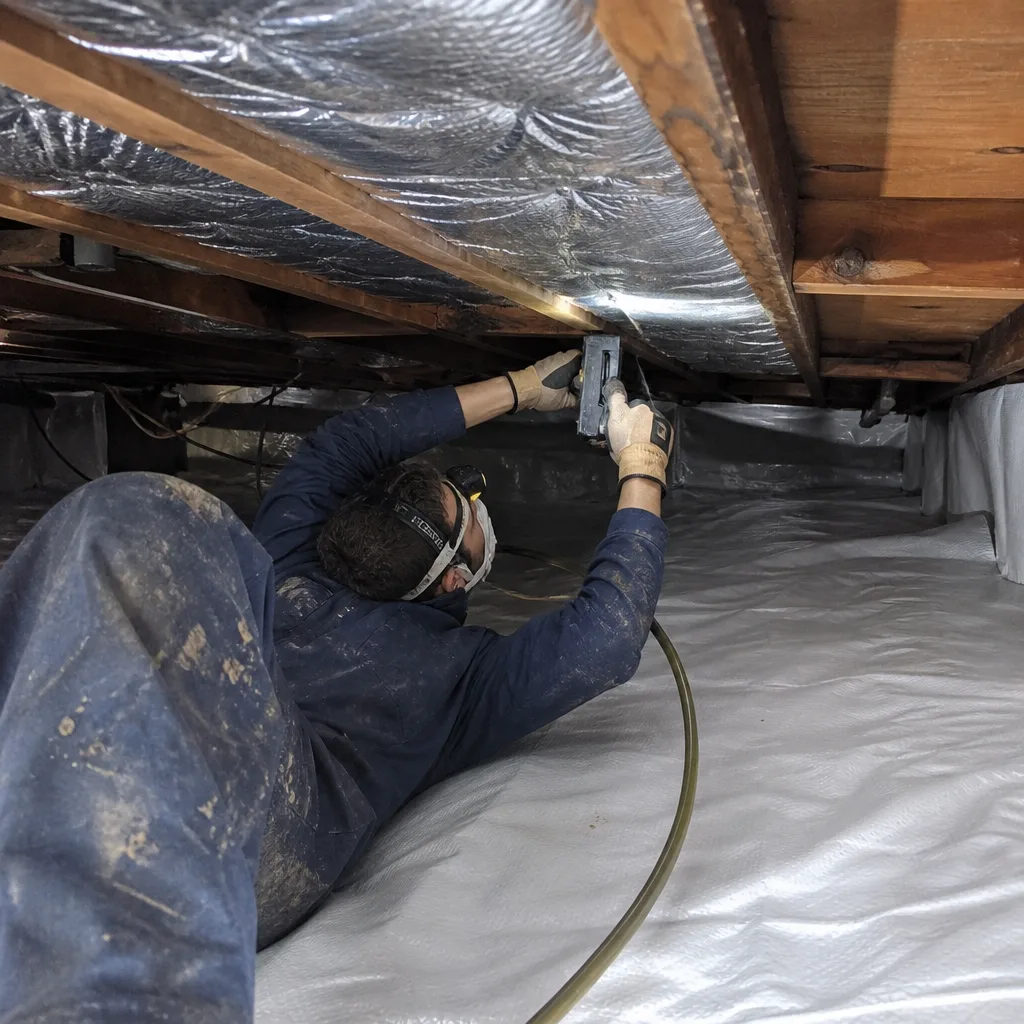
The work is finished. The crew has left. What should be in your hands?
This is where most homeowners stop paying attention, and where the difference between a material installation and a performance upgrade becomes permanent. Without documentation, you have no baseline for future work, no proof for resale, and no verification that you received what you paid for.
Installed product data sheets. Every insulation product has a manufacturer data sheet specifying R-value per inch, density, fire rating, and warranty terms. For spray foam jobs, this includes the specific product’s HFC blowing agent status and applicable certifications. You should receive copies for every material installed, not just the brand name.
Documented photo record. Photos of work areas before, during, and after. Not marketing photos for the contractor’s website, but documentation of your specific home: the sealed top plates, the insulated duct boots, the completed insulation depth. Under Haven Standard, this is included on every job, not available on request. It’s your record of what was done in spaces you cannot safely inspect yourself.
Before-and-after blower-door numbers. On applicable jobs, the pre-work and post-work CFM50 readings, with test date, technician name, and equipment calibration date. This is your single-number proof of performance change. A contractor who performed air sealing should be proud to show this number. A contractor who didn’t perform air sealing won’t have it, which is also information.
Title 24 compliance certificates. If permits were pulled and inspections performed, the certificate of compliance or completion from the local building department. In Laguna Niguel, this is processed through the city’s Community Development Department. Some contractors handle this; others leave it to the homeowner. Know which before work starts.
Written warranty. The 365-Day Done Right Promise, or equivalent, in writing. What it covers, what it doesn’t, and how to invoke it. A verbal “call us if anything goes wrong” is not a warranty. A warranty is a document with terms.
We’ve completed over 9,000 homes since 2016, every one with a written price before work started and a documented record when the crew left. The homeowners who keep these documents have them for resale, for insurance claims after roof leaks, and for planning future improvements. The homeowners who don’t receive them have nothing but a receipt.
Common Mistakes to Avoid
- Verifying the license number but not the classification. A contractor shows you license 123456, and you confirm it’s active. But it’s a B-General, not C-2, and they’re performing insulation work without the proper classification or a disclosed subcontractor arrangement.
- Comparing quotes with different scopes. The lowest bid excludes air sealing; the highest includes it. Normalized to identical scope, the prices may reverse. Always ask for the same work from each bidder.
- Accepting “R-38 equivalent” without specifying material or depth. R-value is a measure of thermal resistance per inch, multiplied by installed depth. “Equivalent” language allows substitution with lower-density products that achieve labeled R-value in ideal conditions but underperform in real attic environments with temperature differentials.
- Ignoring the pre-existing condition. In Laguna Niguel’s older neighborhoods, rodent damage, water staining from prior roof leaks, or failed vapor barriers must be addressed before new insulation goes in. A quote that assumes clean installation over damaged existing material is planning for failure.
- Not asking about access and protection. Attic work requires safe access, floor protection for finished spaces below, and dust containment. A contractor who hasn’t discussed how they’ll protect your home hasn’t thought through the job.
- Treating spray foam as universally superior. Spray foam insulation offers excellent air sealing and R-value per inch but is not appropriate for every application. Closed-cell foam is impermeable and can trap moisture in certain assemblies; open-cell foam is vapor-permeable but requires greater thickness for equivalent R-value. The right product depends on the assembly, not the contractor’s preference.
- Signing without a written scope. No matter how trustworthy the salesperson, no matter how polished the presentation, a signature on a price-only document is a gamble. Under Haven Standard, no work starts without written scope, written price, and written warranty.
When to Call a Professional
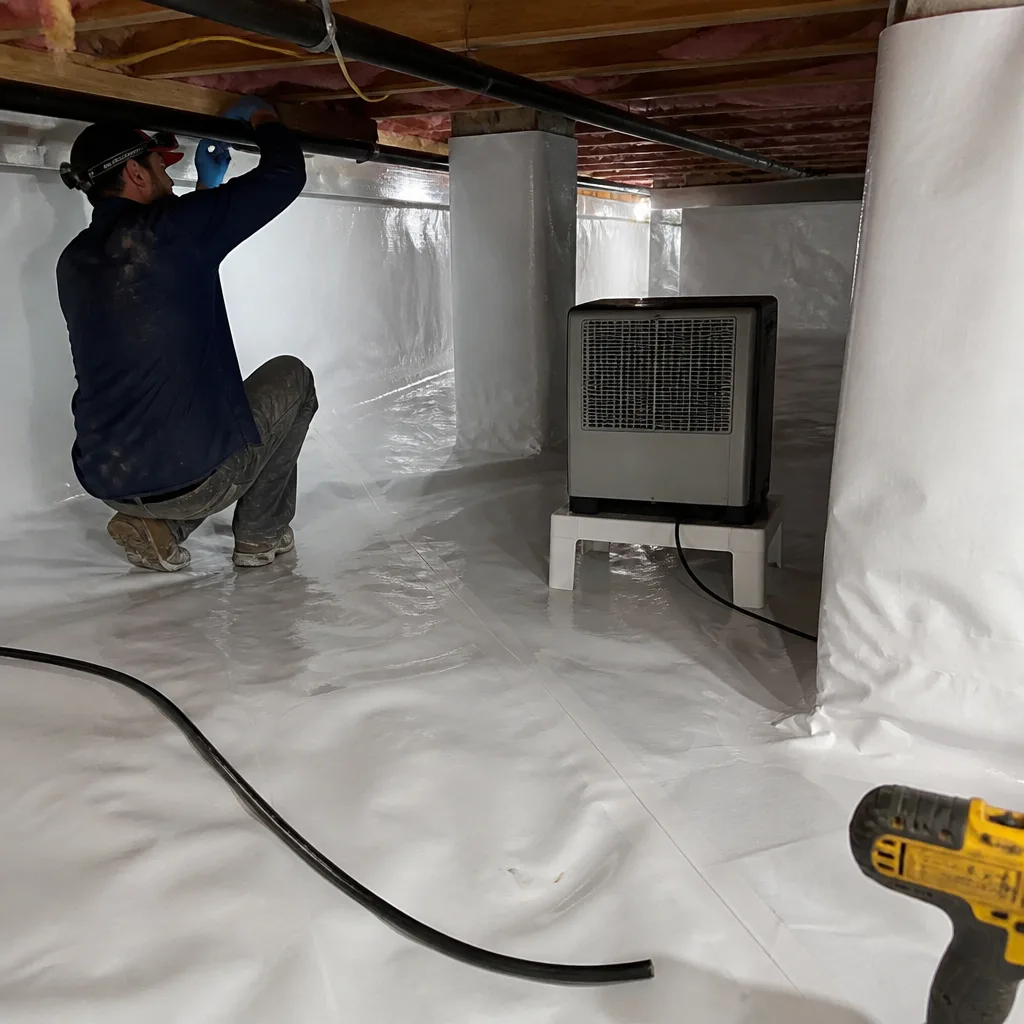
Some situations in Laguna Niguel homes require immediate professional assessment, not DIY investigation. Attic floors in homes built before 1990 may contain vermiculite insulation, which can be contaminated with asbestos. Disturbing it without testing is hazardous and illegal. Similarly, insulation removal after rodent infestation requires PPE and proper disposal; the pathogens in accumulated droppings are not neutralized by new material installed over them. Electrical wiring in older attics may lack modern grounding or may have been modified by prior owners in ways that create fire risk when covered with insulation. If your attic has any of these conditions, or if you’re experiencing significant temperature variation between rooms, unexpectedly high cooling bills, or visible insulation degradation, professional evaluation is warranted. Topside Attic Insulation Laguna Niguel offers free estimates in Laguna Niguel. Call (949) 403-8361 to schedule a site visit with written scope and pricing.
Frequently Asked Questions
Most attic insulation jobs in Laguna Niguel homes between 1,800 and 3,200 square feet run between $2,800 and $5,400 for blown-in fiberglass or cellulose to R-38 or R-49, with air sealing included. See our Insulation Cost Breakdown: The Laguna Niguel Homeowner’s Reference for 2026 for detailed pricing factors. Spray foam applications range higher, typically $4,500 to $9,000 depending on open-cell versus closed-cell product and application thickness. The exact price depends on attic accessibility, existing material condition, and whether removal is required. Call (949) 403-8361 for a written estimate with no obligation.
Simple blown-in or batt insulation retrofit over an existing attic floor typically does not require a building permit in Laguna Niguel. Work involving spray foam in occupied space, structural modification, insulation removal with potential hazardous material, or crawl space encapsulation with vapor barrier may require permit and inspection. A competent contractor will identify permit requirements in the written scope and clarify whether permit costs are included. Ask directly: “Will you pull the permit, or is that my responsibility?”
Request the blower-door test results. A legitimate air-sealing job produces a measurable reduction in CFM50, typically 30-50% in Laguna Niguel’s 1980s-2000s housing stock. Without pre- and post-test numbers, you have no verification. The photo record should also show sealed top plates, can light housings, and penetrations. If the contractor cannot produce these, the air sealing may not have occurred.
Title 24 requires minimum R-38 for existing wood-framed attics in Climate Zone 6, where Laguna Niguel is located. Many contractors recommend R-49 for improved cooling-season performance given local attic temperatures exceeding 140°F. The optimal target depends on your HVAC system age, ductwork location, and whether the attic is used for storage. A written scope should specify the R-value by zone and the installed depth required to achieve it with the specified product.
Repair, meaning spot-addition over existing material, is cheaper in immediate cost but often more expensive in performance. Compressed, displaced, or moisture-damaged existing insulation has reduced R-value and may harbor mold or rodent debris. In our experience with Laguna Niguel homes, partial repair over compromised existing material typically yields 60-70% of the performance improvement of full removal and replacement, at 75-85% of the cost. If you’re unsure whether your insulation needs attention, review Insulation Warning Signs: A Laguna Niguel Homeowner’s Reference Guide. The better value is usually complete replacement when the existing material is more than 20 years old or shows any damage.
Yes, and in Laguna Niguel’s climate, summer work is common. Crews start early to avoid peak attic temperatures, and professional contractors schedule accordingly. The thermal benefit is immediate: reduced cooling load the same day the work is completed. One consideration: spray foam curing generates exothermic heat and requires ventilation management that experienced crews handle routinely. If your home has marginal air conditioning capacity, the performance improvement from proper insulation and air sealing may be most noticeable during the summer months when you schedule the work.
The Bottom Line
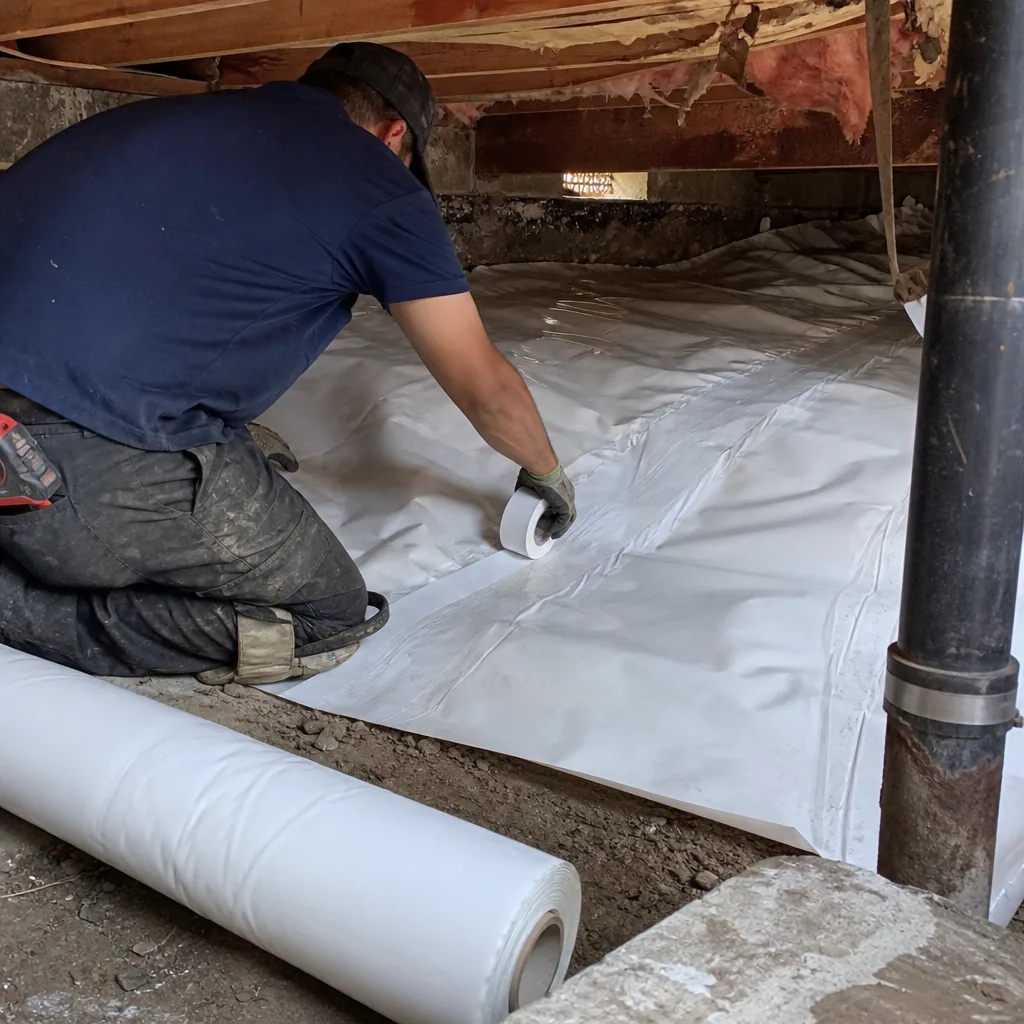
Hiring an insulation contractor in Laguna Niguel is not primarily about finding the lowest price or the highest review count. It’s about verifying that the contractor has the correct license, the right equipment, and a workflow that treats air sealing as prerequisite rather than option. Ask the five documentation questions before requesting quotes. Demand a written scope that specifies R-value, air-sealing locations, test protocol, and deliverables. Read every quote for upsell structure, comparing identical scopes. And hold the post-job documentation, product data sheets, photo record, and blower-door numbers, as proof of what you purchased. For more guides & resources on attic performance, explore our blog. The homes that perform well in Laguna Niguel’s climate are not the ones with the most insulation installed. They’re the ones with insulation installed after the envelope was sealed, tested, and verified.
Written by Wes Okafor, Owner at Topside Attic Insulation Laguna Niguel, serving Laguna Niguel since 2016.