
Attic Insulation Top-Up in Laguna Niguel, CA
An attic insulation top-up is exactly what it sounds like: adding new insulation material over what’s already in your attic to bring it up to the depth and R-value your home actually needs. Most Laguna Niguel homes built before 2005 are sitting at R-19 or less – well short of the R-38 to R-60 that energy codes now recommend for Southern California’s climate zone. A top-up is typically faster and less expensive than a full removal-and-replace, and when the existing insulation is still in good condition and the attic floor is properly air-sealed, it’s the right call.
Before we add a single inch of new material, though, we run a blower-door test – a pressurization measurement that shows, in one number, how much conditioned air your home is losing through the building envelope. If the attic floor has open top plates, unsealed can lights, or penetrations that are letting air move freely between your living space and the attic, adding insulation over that won’t fix your energy bills. We seal those gaps first. That’s not an upsell. It’s how the job is done correctly under The Haven Standard that Envelope Insulation Co. has operated under since 2016.
Topside Attic Insulation Laguna Niguel handles attic insulation top-ups throughout Laguna Niguel, from the hillside homes near Aliso Peak to the tract communities closer to Crown Valley Parkway. Call (949) 403-8361 to schedule a free on-site estimate, and you’ll receive a written price before any work starts – no exceptions.
This page covers our top-up service specifically. For a full overview of attic insulation options in this area, see our Attic Insulation in Laguna Niguel page, or read more about the broader Attic Insulation service we provide across the region.
When You Need an Attic Insulation Top-Up
A top-up makes sense in specific situations. Here’s what we see regularly in Laguna Niguel homes, and what each symptom usually means:
- Your energy bills have climbed over the past two or three summers, and nothing else has changed. Laguna Niguel sits in an inland coastal transitional zone – mornings can be 63°F and afternoons push past 90°F in July and August. That daily temperature swing puts real load on an attic with shallow insulation. When we pull out the depth gauge and find 4 inches of settled fiberglass batting, the math on those bills makes sense immediately.
- Your home was built between 1975 and 2000 and has never had insulation added since construction. Most of the tract development in the Niguel Hills and Marina Hills neighborhoods from that era went in with R-11 to R-19. That was code-compliant then. It’s not adequate now, and insulation settles and compresses over decades, reducing its effective R-value further.
- Certain rooms – especially those with attic directly above them – are noticeably harder to keep comfortable. Bedrooms on the top floor of homes near Rancho Niguel Road frequently run 4 to 6 degrees warmer than the rest of the house in summer. Shallow or settled insulation directly above the ceiling is almost always part of the explanation.
- You’ve had an energy audit that flagged low attic R-value but showed no major duct or mechanical issues. A home energy audit – the kind that includes a blower-door reading and thermal imaging – can isolate the attic floor as the primary loss point. That’s precisely the scenario where a top-up, done after proper air sealing, delivers a measurable return.
- You’re preparing the home for sale and want documented energy performance improvements. More buyers in Laguna Niguel are asking for energy disclosures. A documented top-up, with before-and-after blower-door numbers and a photo record, is a straightforward piece of evidence you can hand to a buyer’s agent.
- Rodent activity or a previous attic cleaning disturbed or compressed the existing insulation. If insulation has been moved, contaminated, or compacted during trapping or cleanup work, it may no longer perform at its rated depth. We assess what’s left, determine whether it can serve as a base layer, and top-up over it if the condition warrants.
Our Attic Insulation Top-Up Process
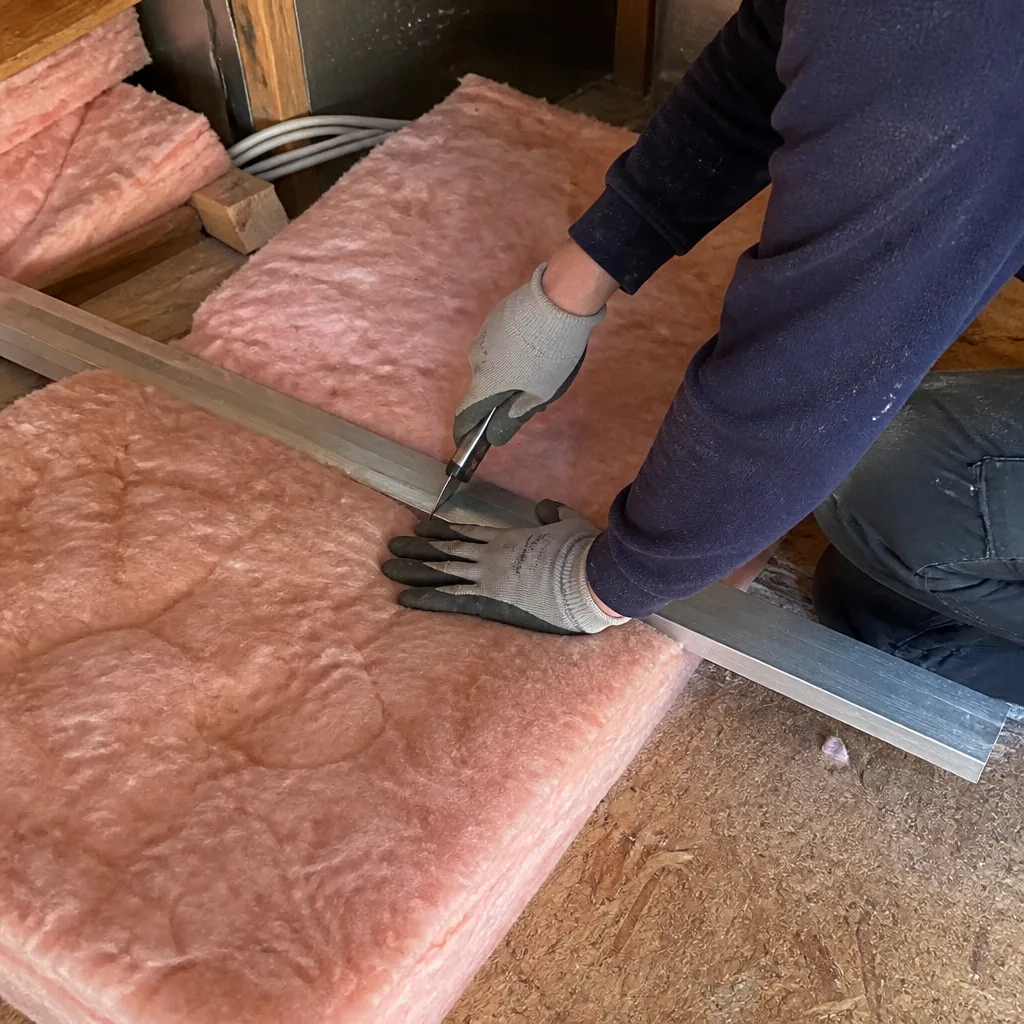
Every top-up we do in Laguna Niguel follows the same documented sequence. The order is not negotiable – air sealing always comes before insulation.
- On-site assessment and blower-door baseline. Wes Okafor or one of our background-checked technicians arrives at the scheduled time – you’ll get a text with a name and an ETA before anyone pulls up. We measure existing insulation depth at multiple points across the attic floor, check for moisture damage or pest intrusion, and run an initial blower-door test to establish the home’s current air-leakage rate in CFM50 (cubic feet per minute at 50 pascals of pressure). That number becomes the benchmark we’re working against.
- Written scope and written price – before any work starts. Haven Standard Clause 1: you get a flat price, a written scope, and a written warranty before anyone lifts a tool. For a top-up, the scope will specify the target R-value, the material being used, the depth being added, and which air-sealing tasks are included. If the existing insulation needs partial removal or the attic has conditions that change the job, that’s in the scope – no surprises when the crew arrives.
- Air sealing of the attic floor. Before insulation goes in, we seal top plates, recessed can lights, plumbing penetrations, electrical chases, and any other bypasses we identified during the assessment. In Laguna Niguel homes with open-web trusses and multiple HVAC penetrations – common in the larger plans along Niguel Road – this step can take two to three hours. It’s time well spent. Blown insulation over an unsealed attic floor is just a more expensive version of the original problem.
- Post-seal blower-door reading. After the air sealing is complete and before insulation is added, we run a second blower-door test. The difference between that number and the baseline reading tells you – and us – exactly how much air movement we closed off. If sealing brought a home from 3,800 CFM50 to 1,900 CFM50, that’s a 50% reduction in air leakage, documented, before the insulation crew starts the blower.
- Blown-in insulation top-up to target depth. We add material – typically blown cellulose from GreenFiber or blown fiberglass from Owens Corning, depending on what makes sense for your attic’s existing base layer and moisture profile – to the depth required to hit the agreed R-value. Depth rulers go in at consistent intervals so the final photo record shows actual coverage across the attic floor, not just a single representative shot.
- Final documentation package. You receive the before-and-after blower-door numbers, a photo record showing pre-work conditions, air-sealing work in progress, and post-insulation depth verification. The written warranty is left with you the same day. The 365-Day Done Right Promise applies from the date the job closes: if it’s not right, we make it right.
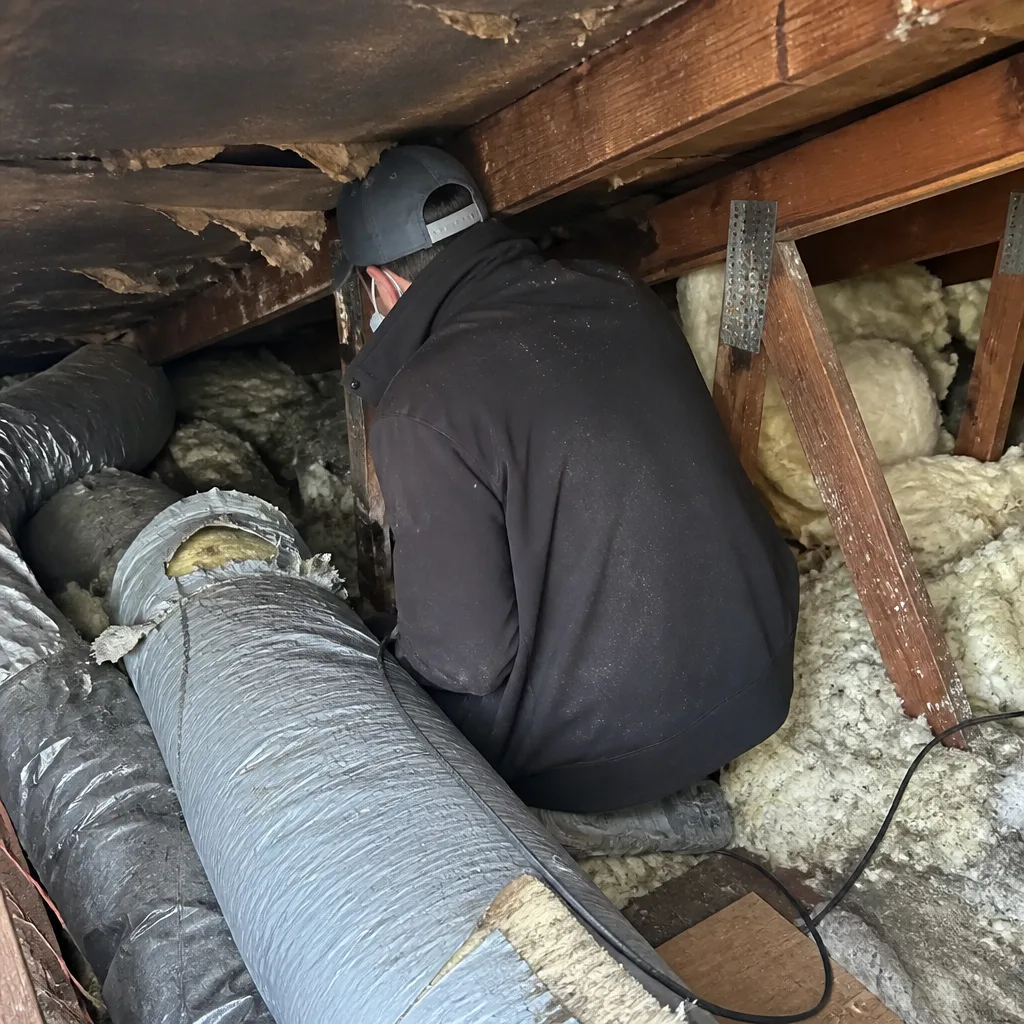 Before
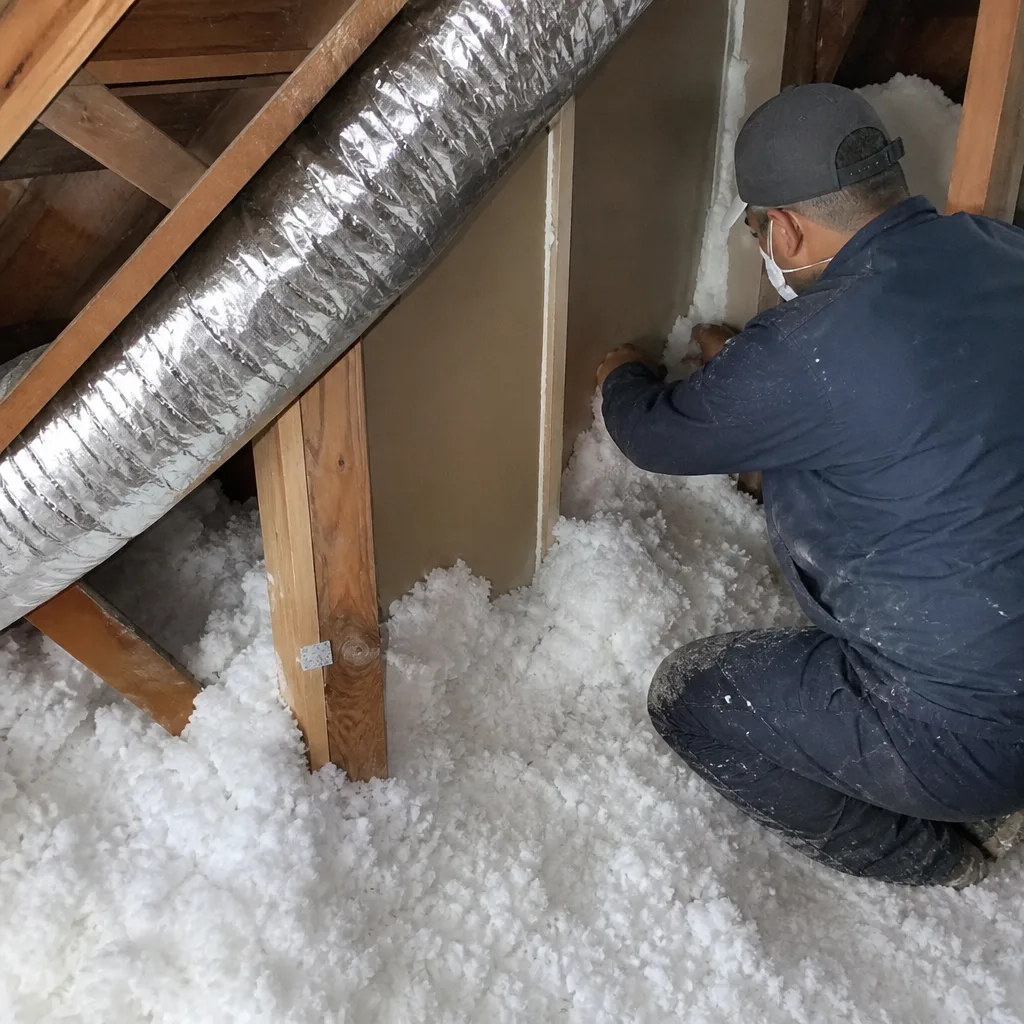 After
AfterAttic Insulation Top-Up Pricing in Laguna Niguel
Most blown-in attic insulation top-ups in Laguna Niguel – adding blown material to bring an average-sized home (1,400 to 2,200 sq ft of attic floor area) from R-19 or less up to R-49 – run between $1,100 and $2,400 including the air sealing. The range is real and the variables that drive it are specific.
- Attic square footage: A single-story ranch near El Niguel Country Club with 2,000+ sq ft of attic floor costs more to top-up than a two-story home of the same footprint where the attic covers only part of the roof area.
- Starting R-value: The lower the existing insulation level, the more material is needed. A home at R-11 needs roughly twice the added depth of one already sitting at R-25.
- Attic access and configuration: Homes with tight knee-wall sections, low-slope areas near eaves, or limited hatch access take more crew time. Cathedral ceilings or bonus rooms with shallow rafter bays are assessed separately.
- Air sealing scope: A home with a dozen unsealed recessed lights and multiple HVAC penetrations will have a higher air-sealing component than one where the original builder foam-sealed the top plates. The blower-door baseline tells us what we’re dealing with before we price the sealing portion.
- Material choice: Blown cellulose and blown fiberglass are priced similarly at current market rates. If a specific application calls for a different approach – spray foam on rim joists or around attic hatch frames, for example – that line item will appear separately in the written scope.
We don’t do “call for a quote” – that’s not how Haven Standard pricing works. Call (949) 403-8361 and we’ll schedule an on-site visit, take measurements, run the blower-door baseline, and hand you a written flat price before we discuss the job further. If you have a written estimate from another contractor, bring it. We’ll read it with you – that’s the Free Second Opinion offer, and it applies to any written estimate you already have in hand.
FAQs – Attic Insulation Top-Up
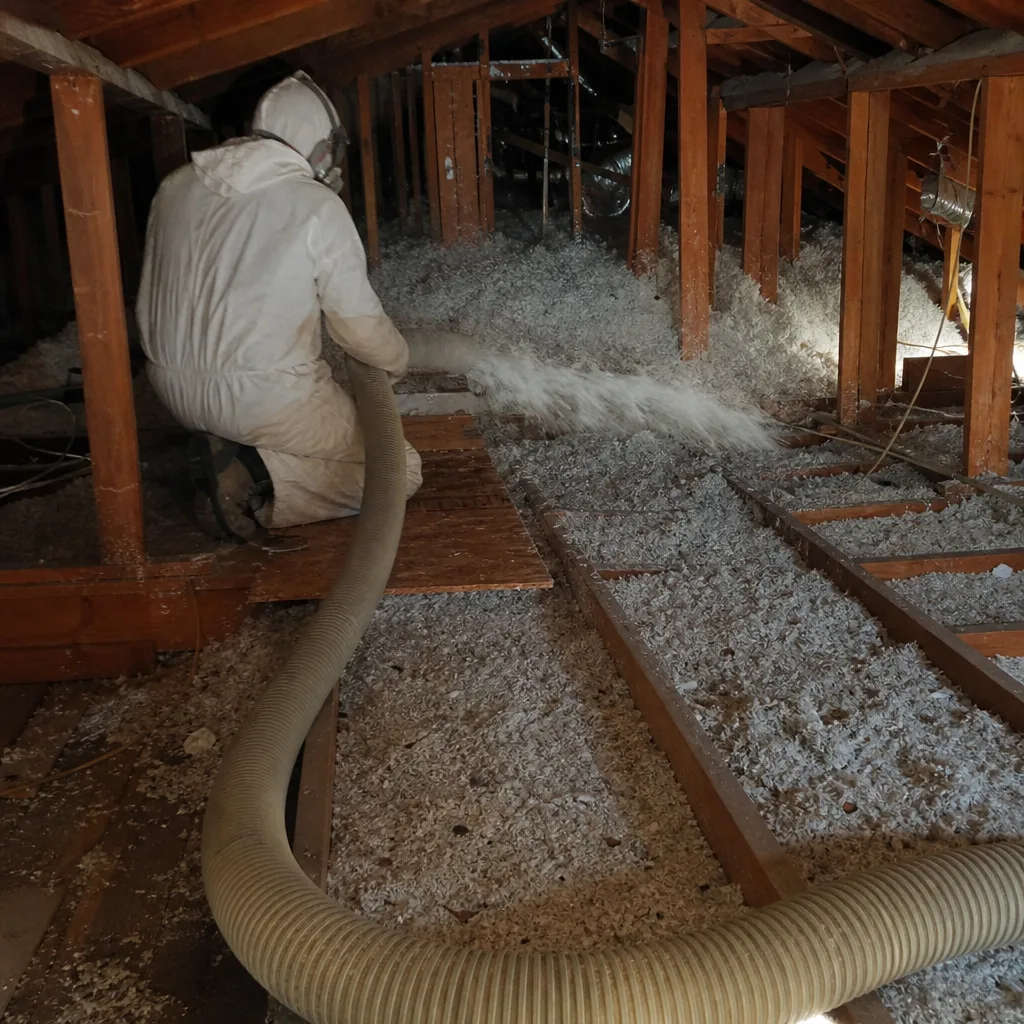
Can you add insulation on top of the old insulation, or does it need to come out first?
In most Laguna Niguel homes, existing insulation can stay in place and serve as the base layer for a top-up, as long as it’s dry, free of contamination, and hasn’t been degraded by rodent activity or water intrusion. If we find moisture damage, pest debris, or mold during the assessment, the affected material comes out before anything new goes in – and that will be in the written scope. Adding new insulation over compromised material doesn’t work; it just buries the problem. We inspect the existing layer at the start of every job, and if removal is needed, you’ll know before work begins, not after.
How much does an attic insulation top-up cost in Laguna Niguel?
Most top-ups in Laguna Niguel – for a home with 1,400 to 2,200 square feet of attic floor area, starting from R-19 or below – run between $1,100 and $2,400, including the mandatory air sealing step. Homes with larger attic footprints, very low starting R-values, or significant air-sealing scope can run higher. Call (949) 403-8361 and we’ll come out, measure the actual conditions, and give you a written flat price on the spot.
Do you need to seal the attic before adding insulation?
Yes, and we will not skip this step. Air sealing the attic floor – top plates, recessed can lights, plumbing and electrical penetrations – has to happen before insulation is added. If air is moving freely through bypasses in the attic floor, blown insulation over those gaps does very little to reduce that heat transfer, which is why proper attic baffles and ventilation prep matters. We run a blower-door test before we seal and again after, so the numbers show exactly what the sealing accomplished. Insulation controls conductive heat transfer; air sealing controls convective heat transfer. Both matter. Doing only one is doing half the job.
How long does an attic insulation top-up take in Laguna Niguel?
For a typical Laguna Niguel home with 1,500 to 2,000 square feet of attic floor area, plan on four to six hours from the time our technician arrives to the time they close the hatch and hand you the documentation. Homes with heavier air-sealing scope – many unsealed can lights, complex truss configurations, or HVAC penetrations throughout the attic floor – can extend that to a full day. We give you a specific time window, not a “sometime in the afternoon” arrival. Under Haven Standard, you get a named technician and a text when they’re on the way.
Why Laguna Niguel Homes Need More Than a Simple Blown-In Top
Laguna Niguel’s position between the coast and the inland valleys creates an attic environment that doesn’t behave the same way as a Phoenix or Sacramento home. Ocean air moves through Aliso Canyon most mornings, keeping early temperatures mild. By early afternoon in July, that same air has been replaced by drier, hotter inland air, and attic temperatures in uninsulated or under-insulated spaces can reach 140°F or more. The thermal cycle – cool morning, hot afternoon, repeat daily for six months – stresses materials and means air conditioning systems work hard from roughly 11 a.m. to 8 p.m. on peak days.
We’ve run blower-door tests in homes near Rancho Niguel Regional Park that registered above 4,500 CFM50 before air sealing, which is a significant leak rate for a home under 2,000 square feet. After sealing and before the insulation was added, those same homes tested at under 2,000 CFM50. That kind of reduction translates to measurable HVAC runtime reduction – not a vague promise, a number you can check on your utility bills in the months that follow.
The point isn’t that Laguna Niguel is unusual – it’s that the job needs to match the actual conditions, not a generic regional average. That’s why the blower-door baseline isn’t optional, and why the air-sealing scope varies from home to home even within the same neighborhood.
Materials We Use for Attic Top-Ups
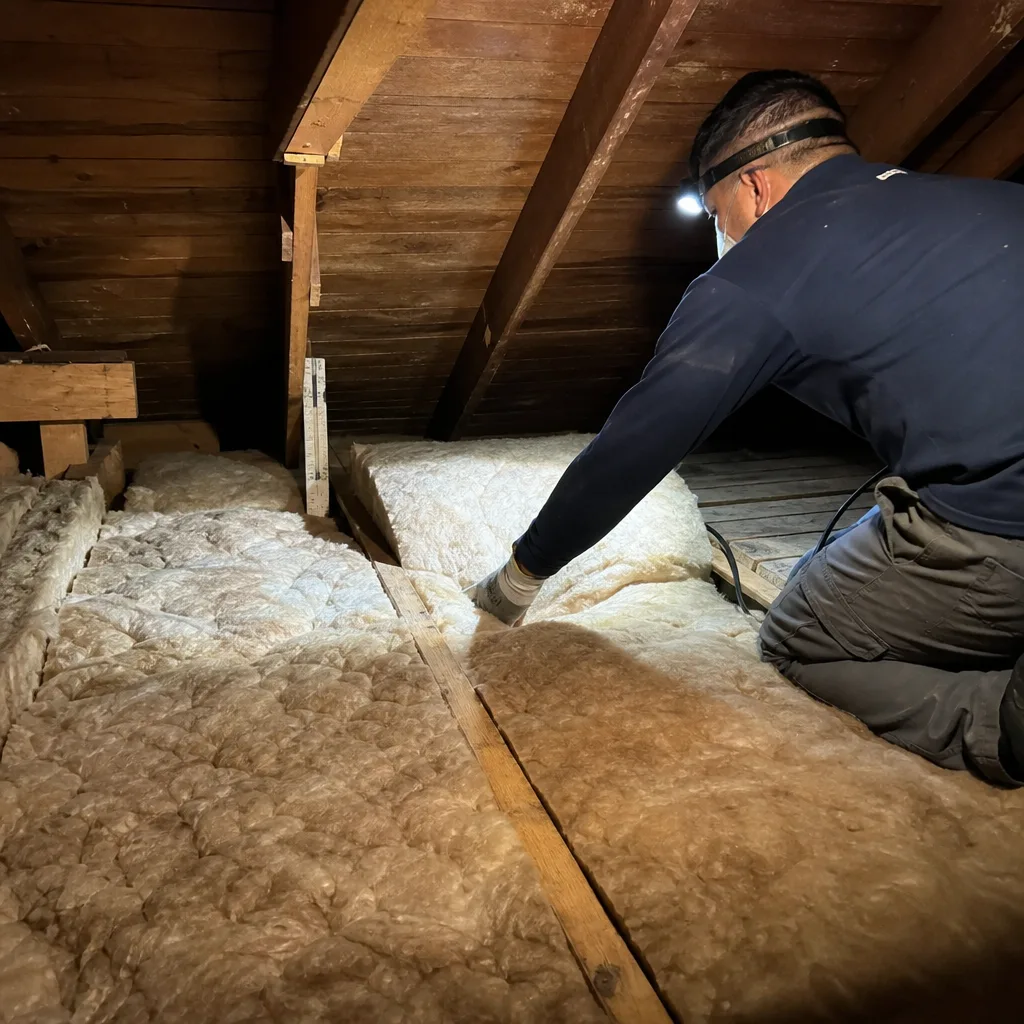
We source from established manufacturers and don’t lock you into a proprietary product line. For blown-in top-ups, the two materials we use most often in Laguna Niguel are:
- Blown cellulose (GreenFiber): Made from recycled paper fiber treated with borate for fire and pest resistance. Cellulose settles a small percentage over time, which we account for in the installed depth. It works well as a top layer over existing fiberglass batting because it fills gaps and irregular surfaces more completely than batts can.
- Blown fiberglass (Owens Corning): Inorganic, won’t absorb moisture, and holds R-value well in Laguna Niguel’s climate zone. Works cleanly as a top-up over existing blown fiberglass where the base layer is in good condition.
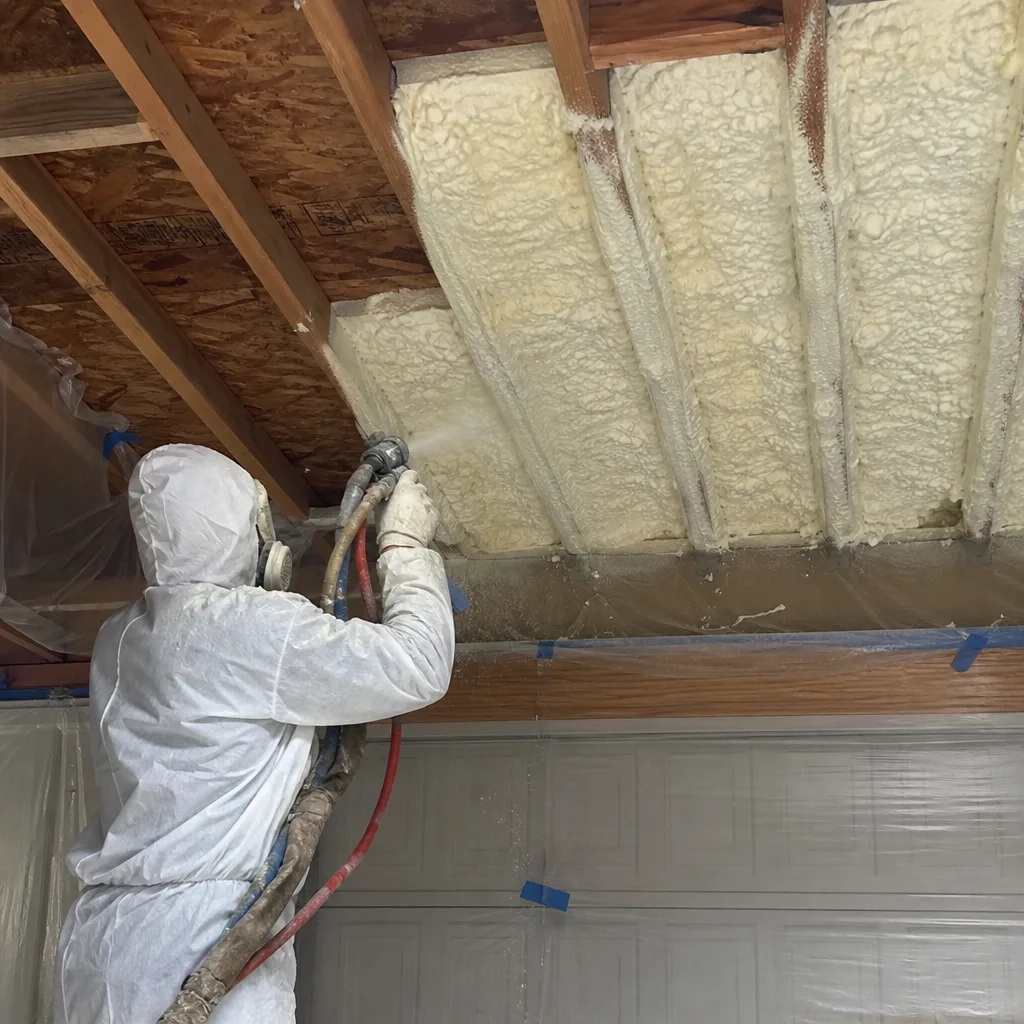
If a specific application calls for something different – for example, two-component spray foam around attic hatch frames, pull-down stair boxes, or rim joists – we’ll call that out in the written scope with its own line-item price. No surprises after the job starts.
Key Takeaways
- A top-up brings your attic insulation up to the R-value Laguna Niguel’s climate actually requires – typically R-38 to R-60 depending on your system and structure.
- Air sealing happens first, always. Blown insulation over unsealed attic bypasses is measurably less effective than the same insulation over a sealed floor.
- You receive before-and-after blower-door numbers, a photo record, and a written warranty the day the job closes.
- Written price before any work starts. No exceptions. No “call for a quote” loops.
- Most top-ups in Laguna Niguel run $1,100 to $2,400 including air sealing, depending on attic size and starting conditions.
- The 365-Day Done Right Promise applies: if it’s not right, we make it right.
Schedule Your Attic Insulation Top-Up in Laguna Niguel
If your home is running warmer than it should, your energy bills have drifted upward, or you simply don’t know what’s in your attic or how much of it is still doing its job, the right starting point is a visit from someone who will measure what’s actually there. Wes Okafor and the team at Topside Attic Insulation Laguna Niguel have completed attic insulation top-ups in homes throughout Laguna Niguel – from the hillside neighborhoods near Aliso Summit Trail to the flatter residential streets near Crown Valley and Moulton Parkway – and every one of those jobs closed with a documented photo record and written warranty in the homeowner’s hands.
Call (949) 403-8361 to schedule a free on-site estimate. A live person answers – no voicemail, no callback window measured in business days. You’ll get a written flat price before any work starts, and if you already have a written estimate from another contractor, bring it. We’ll go through it with you at no charge.
Written by Wes Okafor, Owner at Topside Attic Insulation Laguna Niguel, serving Laguna Niguel.