
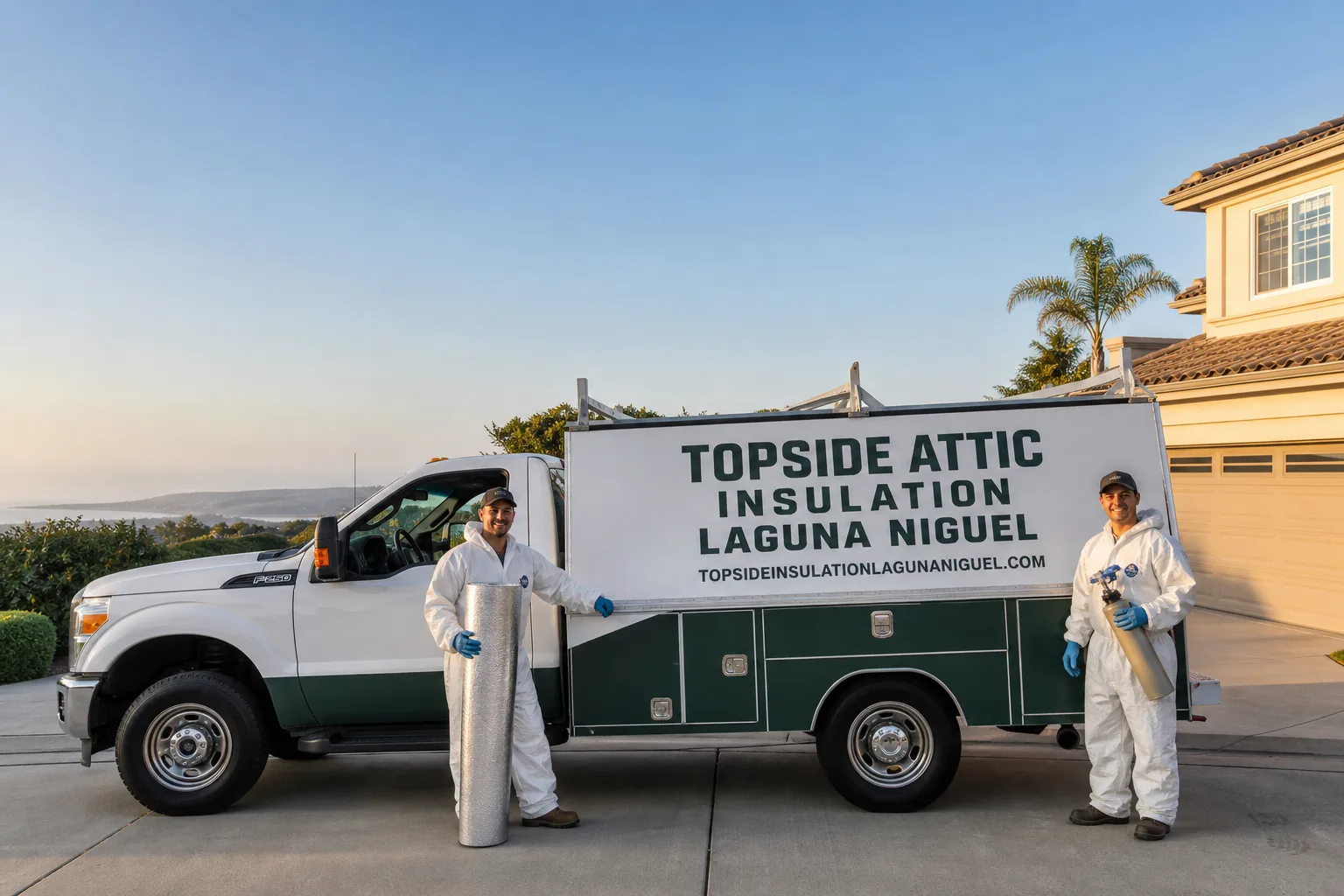
How Much Does Spray Foam Insulation Cost in Laguna Niguel?
Our Spray Foam Insulation services in Laguna Niguel, CA typically cost between $2,200 and $6,800 for a residential project, with most homeowners spending around $3,500 to $4,800 depending on the area being insulated and which foam type is used. Open-cell foam runs roughly $0.44 to $0.65 per board foot installed, while closed-cell foam runs $1.00 to $1.50 per board foot – sometimes higher in tight or complex spaces. Most jobs in this market are completed in a single day, and a written price is on the table before any work begins.
Spray Foam Insulation Cost Breakdown (2026)
The numbers below reflect what Laguna Niguel homeowners are actually paying in 2026 – not a national average padded with footnotes. Board foot pricing is the industry standard unit for spray foam: one board foot equals one square foot sprayed to one inch of thickness.
| Application Area | Foam Type | Typical Price Range | Notes |
|---|---|---|---|
| Attic deck (1,200 sq ft) | Open-cell, 3.5″ | $1,800 – $2,600 | Common in Laguna Niguel track homes built 1980s-2000s |
| Attic roof deck / rafters (cathedral) | Closed-cell, 2″ | $2,400 – $3,800 | Converts vented attic to conditioned envelope |
| Crawl space or rim joist | Closed-cell, 2″ | $900 – $1,800 | Less common in South OC but found in hillside homes |
| Garage ceiling / walls | Open-cell, 3.5″ | $700 – $1,400 | Often paired with living-space-above projects |
| Bonus room or knee wall | Closed-cell, 2″ | $500 – $1,100 | Common in Laguna Niguel hillside custom builds |
| Full attic + air seal package (1,800 sq ft home) | Open-cell + sealant | $3,200 – $5,400 | Includes sealing penetrations before foam is applied |
| Whole-home spray foam (new construction) | Closed-cell throughout | $8,000 – $18,000+ | Rare in existing stock; more common in new custom builds |
What pushes costs up or down
The single biggest pricing variable in Laguna Niguel is access and geometry. Homes on the hillside parcels near Coto de Caza Road or in the Bear Brand Ranch area frequently have complex roof lines, lower attic clearances, and multiple mechanical penetrations through the attic floor – all of which take longer to seal and spray properly. A straightforward flat-ceilinged tract home off Moulton Parkway with a clean 10-inch attic floor is a faster job than a 1990s custom with cathedral sections and a three-quarter attic on two levels.
Material cost is a smaller lever than most homeowners expect. Closed-cell foam uses more chemical per inch and requires more precise temperature control during application, which is partly why it costs nearly double open-cell per board foot. The performance payoff – a higher R-value per inch (around R-6.5 vs. R-3.7) and a genuine air and vapor barrier – matters more in some zones of the building envelope than others. In Laguna Niguel’s climate zone 10, closed-cell is frequently the right call at roof deck level; open-cell works well at the attic floor where depth is not constrained.
Labor accounts for roughly 60 to 70 percent of the invoice on most jobs here. Orange County wages, equipment overhead for a properly maintained proportioner rig, and the cost of chemical storage at Southern California ambient temperatures all factor in. Contractors who quote notably below market are typically cutting chemical yield, mixing off-ratio, or skipping the prep work that makes foam adhere correctly – none of which shows up until the foam delaminates two summers later.
What Affects Spray Foam Insulation Pricing in Laguna Niguel
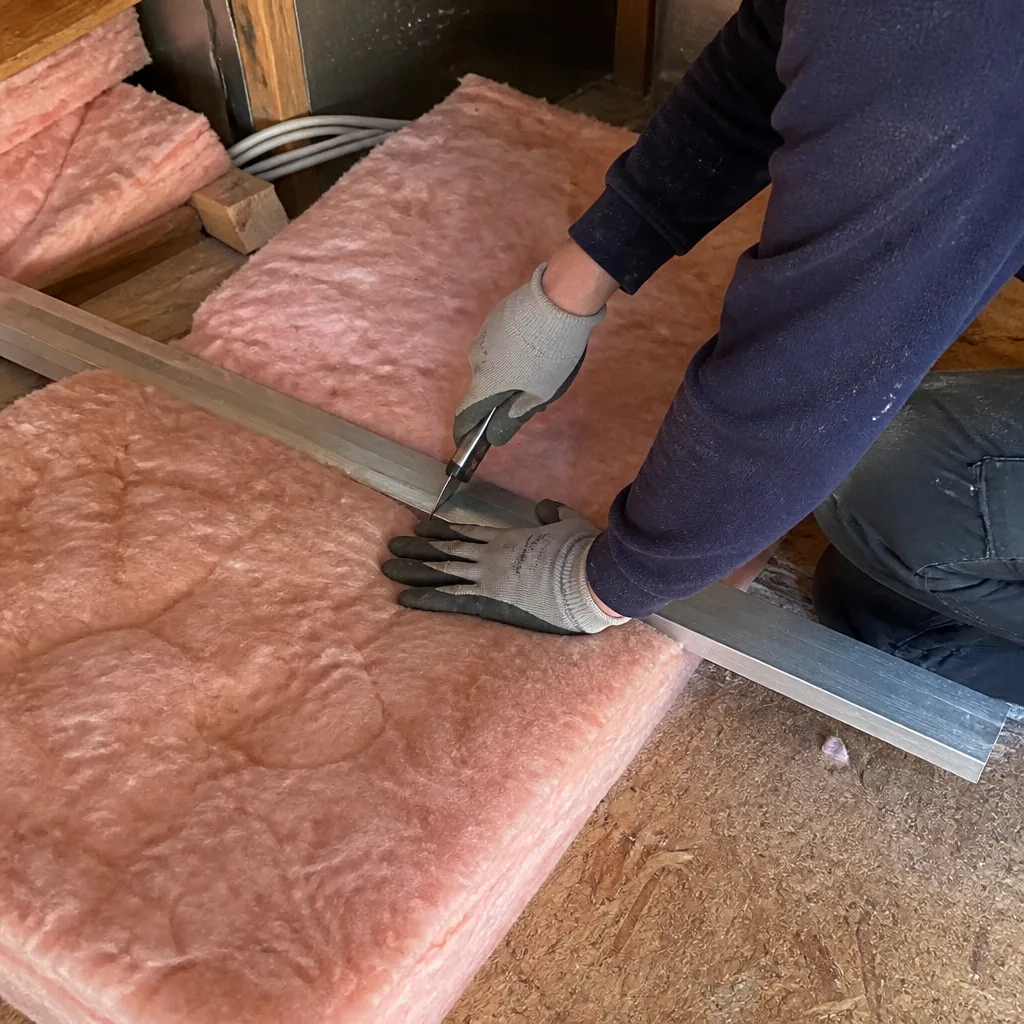
- Foam type: open-cell vs. closed-cell. Open-cell foam ($0.44 to $0.65/board foot installed) is lighter, more vapor-permeable, and sufficient for interior applications like attic floors and interior walls. Closed-cell ($1.00 to $1.50/board foot) is denser, moisture-resistant, and structurally additive – the right product for roof deck applications, rim joists, and any area where vapor management matters. Laguna Niguel’s coastal-adjacent humidity, especially in neighborhoods west of Crown Valley Parkway, tips more jobs toward closed-cell than inland markets.
- Square footage and thickness required. Pricing scales with board footage, not square footage. A 1,500 square foot attic sprayed to 5 inches of open-cell uses 7,500 board feet of material. California’s Title 24 energy code sets minimum R-values by climate zone – Laguna Niguel falls in Zone 10 – and those minimums translate directly to minimum spray thickness, which floors the material cost at a code-compliant level regardless of what a homeowner might prefer.
- Existing insulation removal. If the attic already has fiberglass batts or blown cellulose that needs to come out before foam goes in, that’s a separate line item: typically $1.00 to $1.50 per square foot for removal and bagging in this market. Many Laguna Niguel homes built in the 1980s and early 1990s have original fiberglass batts laid over the attic floor that are well below current code minimums and often disturbed by previous pest or HVAC work.
- Air sealing as a prerequisite. At Envelope Insulation Co., air sealing is not an optional add-on – it’s completed before any foam is applied, every time. Top plates, can light penetrations, plumbing and electrical chases, and HVAC boots are sealed first. That adds time and material to the job, but it also determines whether the blower-door number actually moves after the work is done. In Laguna Niguel homes with recessed lighting over living spaces – which describes the majority of builds from the 1990s and 2000s – skipping this step means spraying foam over active air leaks.
- Attic access and clearance. A crew working in a 30-inch attic with good hatch access is doing a different job than one working in an 18-inch clearance with two interior HVAC units in the way. Tight access increases labor hours directly. Homes in the Laguna Sur and Ocean Ranch communities often have steeper rooflines with usable ridge height but narrow knee walls, which requires a two-person crew to work in relays rather than side by side.
- HVAC equipment and duct configuration. When converting a vented attic to a conditioned (unvented) attic by spraying the roof deck, the HVAC system and ductwork move from a semi-conditioned to a fully conditioned space. That’s thermally favorable, but it also means the spray contractor needs to work around in-place equipment and maintain clearances around flue vents and gas appliances – all of which adds complexity and scope. In Laguna Niguel, many split systems installed before 2010 are still positioned in the attic; crews encounter this on most Crown Valley-area jobs.
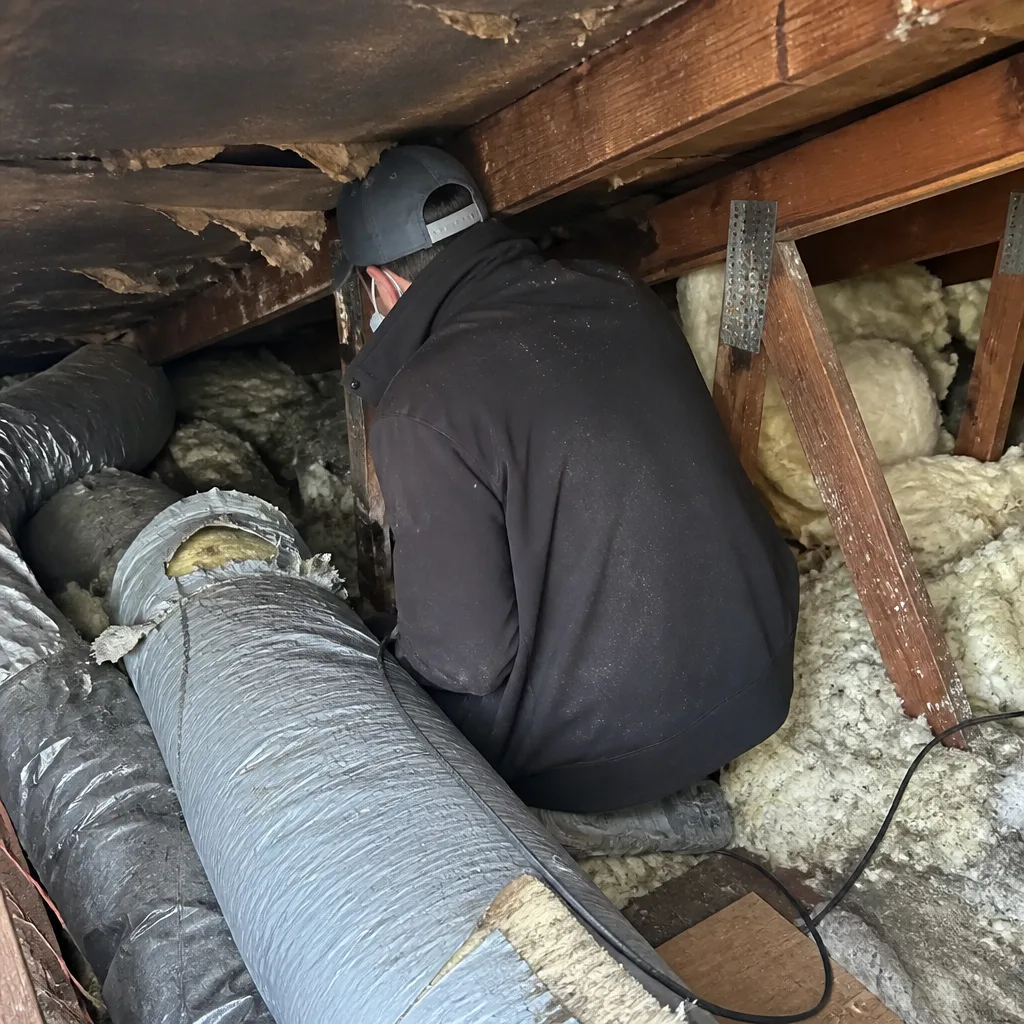 Before
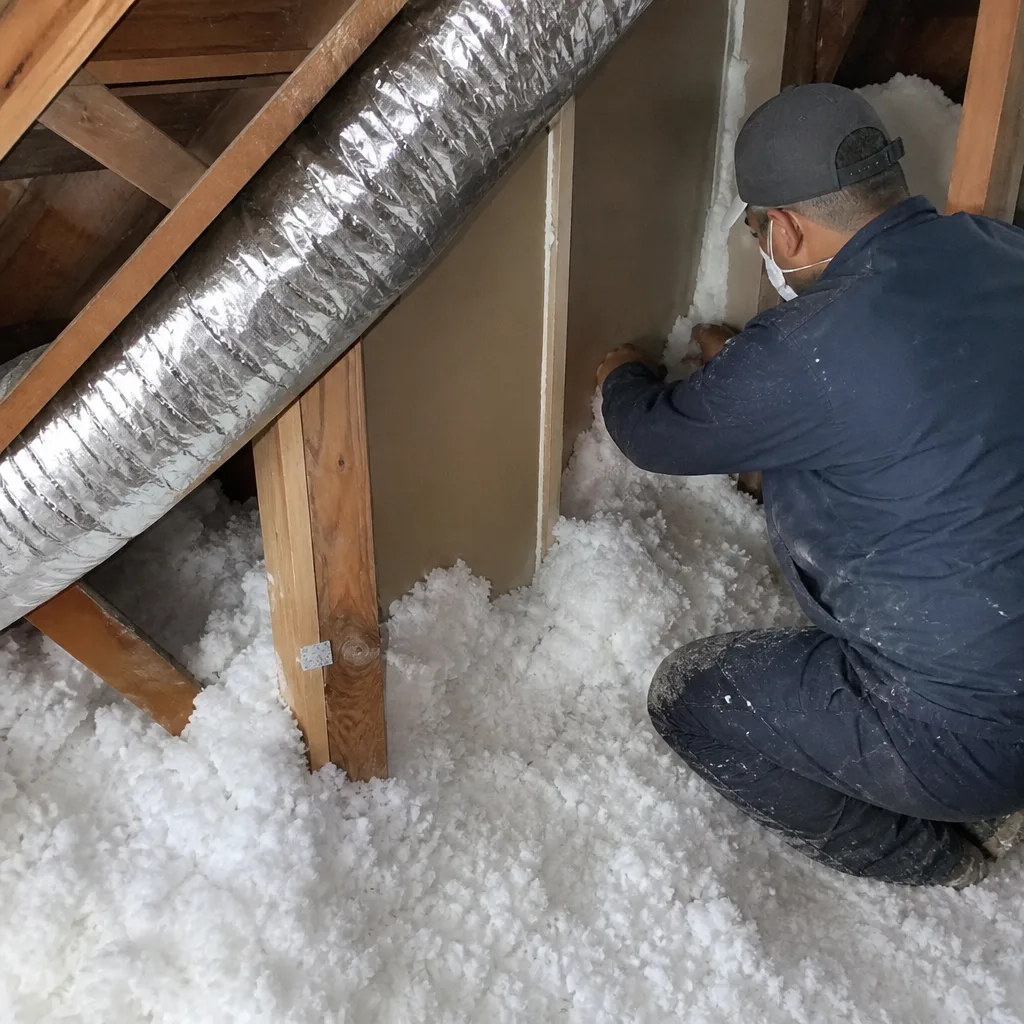 After
AfterOpen-Cell vs. Closed-Cell: Which Makes Sense in Laguna Niguel?
This question comes up on almost every estimate we do in Spray Foam Insulation in Laguna Niguel, and the right answer is location-specific within the building, not a blanket recommendation.
Laguna Niguel sits in California Climate Zone 10, which the state defines as warm and moderately dry – but the western portion of the city, roughly from Aliso Viejo border down toward the Dana Point corridor, experiences marine layer intrusion from May through August that pushes indoor humidity up noticeably. Homes on lots with ocean views or with significant outdoor living spaces that vent into the attic via recessed lights and ceiling fans see this effect acutely. In those homes, closed-cell’s vapor-resistance matters.
The practical breakdown for most Laguna Niguel projects:
- Attic floor (blown or batt system going in below): Open-cell at 3.5 to 5 inches works fine; depth compensates for lower R-value per inch, and cost savings are real.
- Roof deck, cathedral ceiling, or any area that forms the building envelope at the roofline: Closed-cell at 2 to 3 inches for R-13 to R-20 is typically correct and Title 24-compliant when installed to the right thickness.
- Rim joists and band joists: Closed-cell, almost always – moisture control in these areas is non-negotiable.
- Interior walls for sound or thermal separation: Open-cell is sufficient and considerably cheaper per cavity.
One detail that does not appear on most spray foam pages: open-cell foam, once cured, requires a thermal barrier (typically 1/2-inch drywall) if it is left exposed in an occupied space – this is a California fire code requirement, not a suggestion. Budget for that finish layer if the plan includes exposed foam in a garage or bonus room.
California Title 24 and Laguna Niguel Permit Requirements
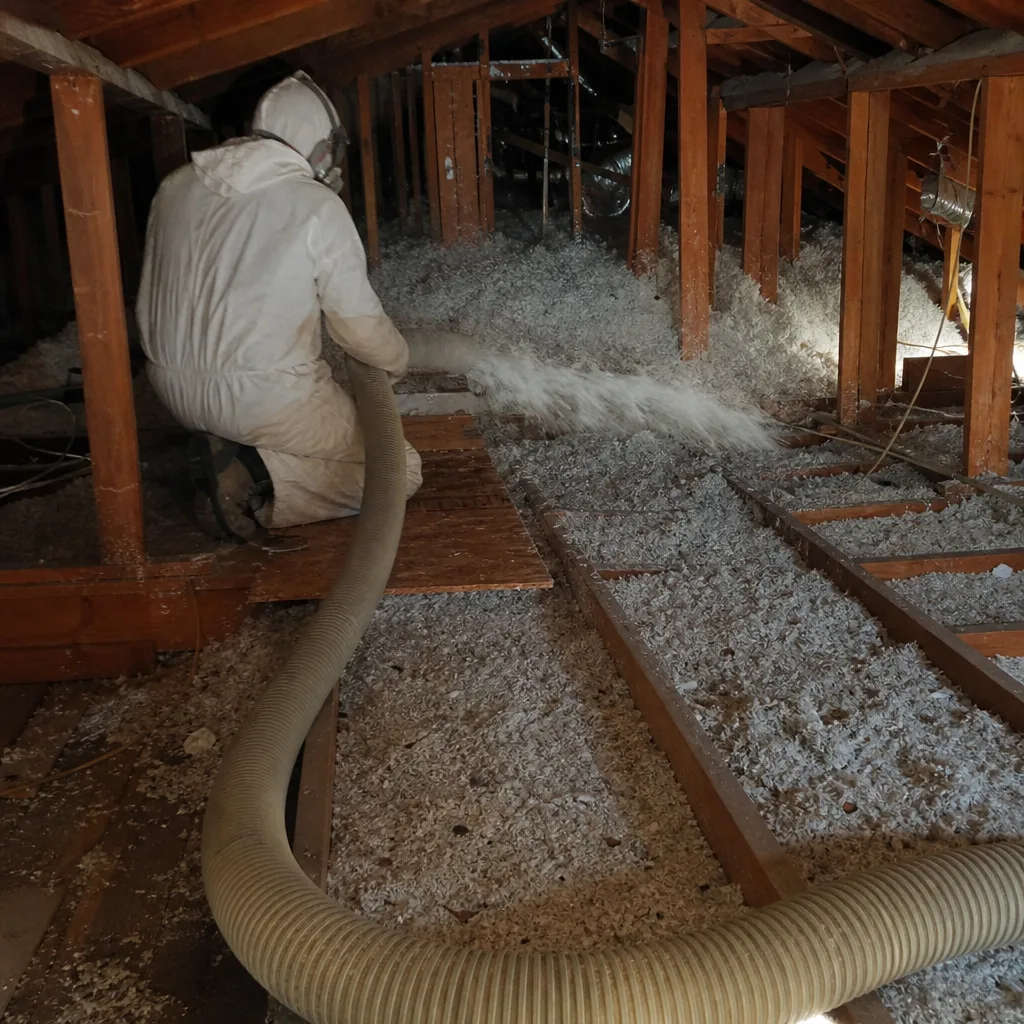
Any spray foam insulation project in Laguna Niguel that changes the thermal envelope of the building – spraying the roof deck, converting an attic from vented to conditioned, or adding foam as part of a room addition – will typically require a building permit through the City of Laguna Niguel Building and Safety Division. The permit process runs through standard OC processing timelines; expect 2 to 4 weeks for straightforward residential work.
California’s Title 24 Part 6 (Energy Code) sets the minimum R-values that must be achieved. For Climate Zone 10:
- Attic (above conditioned space): R-38 minimum for new construction, R-30 for alterations in many configurations
- Walls: R-13 cavity minimum
- Roof deck (conditioned attic): continuous insulation requirements apply; the prescriptive path typically calls for R-20 or higher in closed-cell foam at the roof deck
Title 24 compliance documentation is part of the scope package on permitted jobs. The written scope you receive before work begins will identify the permit requirement and the compliance path – that is Haven Standard Clause 1 in practice. No work starts without the price and scope in writing, and no scope leaves out a permit that the job actually needs.
How to Save on Spray Foam Insulation in Laguna Niguel
Saving money on spray foam rarely comes from negotiating the price down on a single contractor – it comes from making better decisions before the job starts. Here is what actually moves the number.
Choose the right foam type for each location
Using closed-cell foam everywhere in the building when open-cell would meet code at the attic floor is a real cost difference – sometimes $800 to $1,500 on a mid-size Laguna Niguel home. A contractor who defaults to closed-cell everywhere without explaining why is either not differentiating product or is upselling. Ask for the building-location-specific recommendation in writing and verify it against Title 24 Zone 10 minimums.
Combine services in one mobilization
The crew, the rig, and the setup time are fixed costs regardless of how much foam goes in. If the project scope includes insulation removal, air sealing, and spray foam application, doing all three in one visit costs less than scheduling them separately. In Laguna Niguel, adding radiant barrier installation to a roof deck spray foam job can often be batched on the same day – the attic is already staged and open.
Bring us a competing quote
Under the Haven Standard, Envelope Insulation Co. offers a free second opinion on any written estimate. Bring a written quote from any other contractor and we will read through it with you – line by line, product type, thickness, and scope – at no charge. That exercise alone often reveals whether a competing bid is quoting the same product and depth or a thinner application dressed up in R-value marketing. Call (949) 403-8361 to schedule that review.
Check for utility and state rebates
Southern California Edison and SoCalGas both run rebate programs for qualifying insulation upgrades in residential buildings. Program availability changes annually, but in 2025 and into 2026, air sealing paired with insulation has been rebate-eligible under the Home Energy Upgrade program. The rebate does not come directly off the invoice, but a qualifying blower-door test result (which is part of the documented record on applicable Envelope jobs) is often the documentation the utility requires for processing.
Do not defer air sealing to save money
This is a false economy that comes up regularly in Laguna Niguel attics. If an attic has 40 can light penetrations, each one leaking conditioned air, installing spray foam on top of them does not eliminate the leaks – it adds R-value on top of active infiltration paths. The foam makes the attic look better. It does not fix the air sealing problem. A blower-door reading before and after shows this clearly. The jobs where homeowners report the largest energy bill reduction are the ones where air sealing preceded the insulation – every time.
FAQs: Spray Foam Insulation Cost in Laguna Niguel
How much does spray foam insulation cost in Laguna Niguel in 2026?
Most residential spray foam jobs in Laguna Niguel run between $2,200 and $6,800, with the midpoint for a typical 1,600 to 2,000 square foot single-family home landing around $3,500 to $4,800. Open-cell foam installed at the attic floor starts lower; closed-cell at the roof deck pushes the number higher. The written price you receive before any work starts will break down cost by area, product type, and thickness so there are no surprises. For an exact figure on your home, call (949) 403-8361 – estimates are free.
Is closed-cell or open-cell spray foam worth it in Laguna Niguel’s climate?
Closed-cell is worth the premium at the roof deck, rim joists, and any exterior-facing assembly in Laguna Niguel – particularly in neighborhoods west of Crown Valley Parkway where marine layer humidity runs higher from May through August. Open-cell is the right call at the attic floor and interior wall cavities where vapor control is not the primary concern. Paying for closed-cell at the attic floor when open-cell meets code there is generally unnecessary spending. The specification should match the location in the building, not a one-product-fits-all default.
Does spray foam insulation actually lower energy bills in Laguna Niguel?
Yes – when it is installed correctly and paired with air sealing first. The blower-door numbers we document on applicable Laguna Niguel jobs typically show a 30 to 50 percent reduction in air changes per hour after attic air sealing and spray foam are completed together. In dollar terms, homeowners in this market commonly report $60 to $140 per month in reduced cooling costs during peak summer months, though individual results depend on the home’s original condition, HVAC efficiency, and thermostat habits. The blower-door reading we provide before and after is the verifiable evidence – not a marketing estimate.
How long does spray foam insulation last in Laguna Niguel homes?
Properly installed spray foam – open or closed-cell – is effectively permanent when left undisturbed. Icynene open-cell foam, which we use on eligible projects, has documented field performance beyond 30 years with no significant R-value degradation. Demilec closed-cell foam performs similarly. The caveat is installation quality: foam that was mixed off-ratio, applied at incorrect temperatures, or sprayed over dusty or wet substrates can delaminate within a few years. Laguna Niguel’s ambient heat in summer (attic temperatures regularly exceed 140°F between June and September) puts additional stress on any foam that was not fully cured at installation. The documented photo record that leaves with every job captures substrate and application conditions on the day of the work.
Do I need a permit for spray foam insulation in Laguna Niguel?
It depends on what is being sprayed and where. Replacing existing insulation at the attic floor with spray foam in a like-for-like application often does not require a permit. Converting a vented attic to a conditioned attic by spraying the roof deck – which changes the thermal envelope – typically does require a building permit through Laguna Niguel’s Building and Safety Division. The written scope on permitted jobs will identify the requirement and include the compliance documentation. Under Haven Standard Clause 1, that scope is in your hands before anyone starts work. If you are comparing bids and another contractor did not mention a permit for a roof deck application, that is worth asking about directly.
Can spray foam be installed over existing insulation in Laguna Niguel attics?
Sometimes, but not always. Open-cell foam can be sprayed over clean, dry fiberglass batts on an attic floor if the batts are in good condition and lying flat. It cannot be sprayed over rodent-damaged, wet, or compressed insulation – those materials need to come out first, which adds $1.00 to $1.50 per square foot for removal. In Laguna Niguel homes from the 1980s and 1990s, original fiberglass is frequently compressed, contaminated from past pest activity, or disturbed by HVAC work to the point where removal is the correct call before any spray foam goes in. We document the attic condition in the photo record from the initial visit so you can see what we found before you decide anything.
Why the Sequence of Work Matters More Than the Foam Brand
One thing that separates spray foam jobs that produce a measurable result from those that look good but underperform: the order of operations. At Envelope Insulation Co., operating under The Haven Standard since 2016, we will not spray insulation over an unsealed attic floor. That is a firm policy, not a preference. The air sealing – top plates, can light penetrations, plumbing and electrical chases, HVAC boots – is completed and inspected before the spray rig starts.
The reason is straightforward. Spray foam adds R-value. It does not seal air leaks that run through the structure rather than through the insulation layer. In a Laguna Niguel home with 30 or 40 recessed lights over the main living level, each penetration is a direct conduit between the conditioned interior and the attic. On a blower-door test – a pressurization reading that shows, in one number, how much air the building envelope is leaking – a home with unsealed can lights and fresh spray foam often looks nearly identical to the same home before the foam went in, because the dominant air leakage path was never addressed.
After the sealing and foam are both complete, we run the blower-door again and publish both numbers. The before reading and the after reading are part of the documented record you receive when we leave. That is the performance evidence – not a feeling about the quality of the job.
On our Laguna Niguel jobs since 2016, part of our 9,000+ home portfolio, the projects with the largest blower-door improvement are consistently the ones where the attic had significant can light penetration counts and the air sealing was thorough before the foam went in. The foam does the thermal work. The sealant does the air work. Both need to happen, in that order, for either to perform as expected.
What the Estimate and Job Process Looks Like
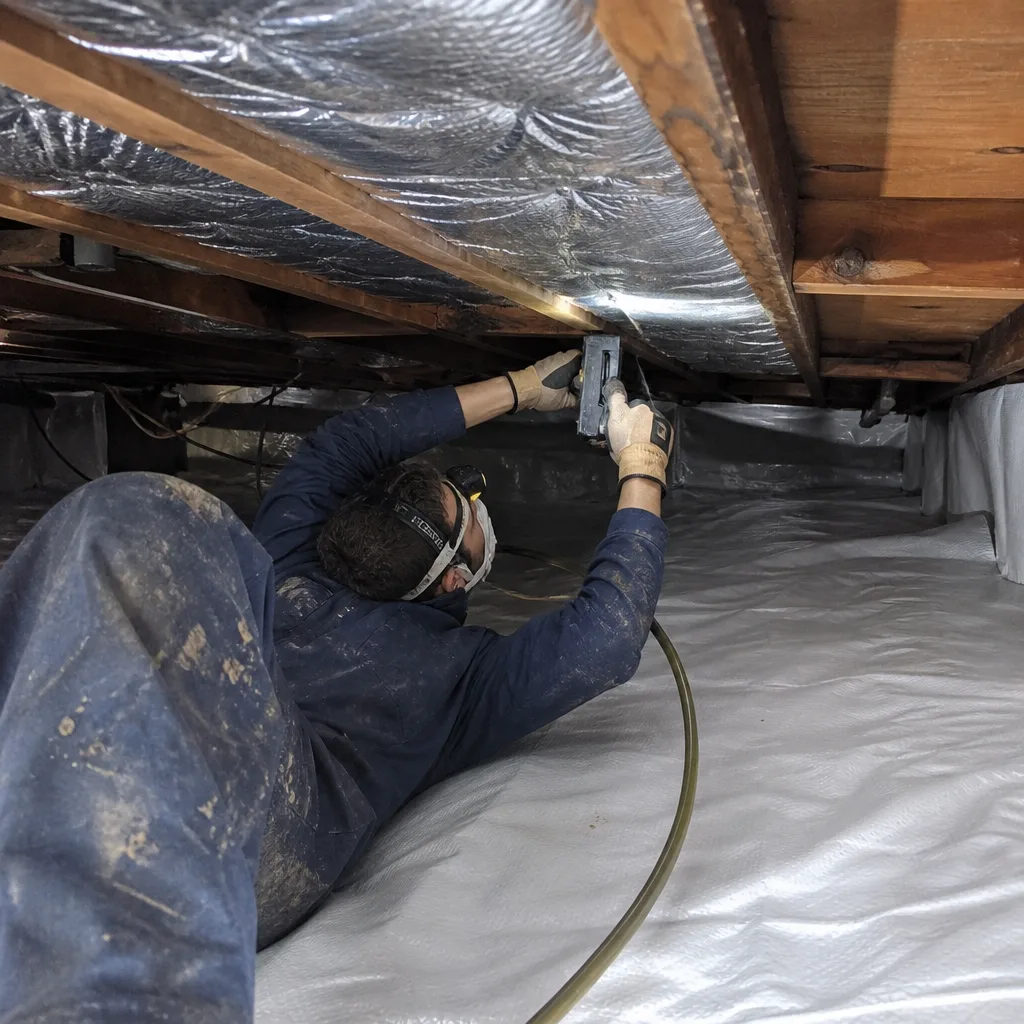
For Laguna Niguel homeowners who have not worked with us before, here is exactly what the process looks like from first contact to job completion.
Step 1: Assessment and written price. A background-checked, uniformed technician visits the home, inspects the attic or target area, and documents conditions with photos. You receive a written scope and a flat price – not a range, not a starting-from number. Under Haven Standard Clause 1, no work starts without that written price in your hands.
Step 2: Scheduling and pre-work notification. When you’re ready to proceed, the job is scheduled. You receive the technician’s name and a text when they are on the way – no callback windows, no showing up in an unmarked truck. A live person answers calls at (949) 403-8361 at any hour.
Step 3: Air sealing first. The crew seals top plates, can light boxes, penetrations, and chases before the spray rig starts. On applicable jobs, a blower-door test is run before work begins to establish the baseline reading.
Step 4: Spray foam application. Foam is applied to the written specification – product type, coverage area, and target thickness. Materials come from manufacturers including Icynene, Demilec, and Owens Corning depending on the application; there is no proprietary product lock-in.
Step 5: Documentation and close-out. The crew photographs the completed work. On applicable jobs, the post-work blower-door reading is taken and recorded. You receive the before-and-after numbers, the photo record, the written warranty, and the scope confirmation before the crew leaves the property.
Step 6: 365-Day Done Right Promise. If anything about the completed work is not right within 365 days of the job, we make it right. That promise is in writing, part of the scope package, and not conditional on anything beyond the job being completed by our crew.
If you have already received a written estimate from another home insulation contractor and want a second opinion, that review is free. Bring the written quote and we will go through it with you.
Key Takeaways
- Spray foam insulation in Laguna Niguel costs $2,200 to $6,800 for most residential projects, with open-cell foam at $0.44 to $0.65 per board foot and closed-cell at $1.00 to $1.50 per board foot.
- Closed-cell is the right product at the roof deck and rim joists; open-cell is sufficient and more cost-effective at the attic floor where depth is not constrained.
- Laguna Niguel falls in California Climate Zone 10; Title 24 minimums apply, and permitted work (especially roof deck conversion) requires coordination with the city’s Building and Safety Division.
- Air sealing must come before spray foam – not after, not skipped. The blower-door readings before and after are the evidence that the work performed.
- The written price is on the table before any work starts. Always. That is Haven Standard Clause 1 and it applies to every job.
- The 365-Day Done Right Promise covers all completed work – in writing, not as a verbal assurance.
- Estimates are free; call (949) 403-8361 for a written price specific to your Laguna Niguel home.
Spray foam is one of the more permanent decisions you can make in a home’s thermal envelope – it’s chemically bonded to the structure and removing it is labor-intensive. Getting the product type right, the substrate prepped correctly, and the air sealing completed first is not optional preparation. It is the job. We have been doing it that way in Laguna Niguel and across South Orange County since 2016, and every job closes with the documentation to prove what was done and what changed.
Call (949) 403-8361 to schedule a free estimate. You’ll receive a written price before any work starts – and a blower-door result when it’s done.
Written by Wes Okafor, Owner at Envelope Insulation Co. (operating as Topside Attic Insulation Laguna Niguel), serving Laguna Niguel since 2016. Pricing reflects the Laguna Niguel, CA market as of 2026. Topside Attic Insulation Laguna Niguel offers free estimates – call (949) 403-8361.
What Our Customers Say
"Crawl space encapsulation done properly. Photographs of the vapour barrier at every seam, and the damp smell in the hallway is gone."
- Ainsley P."The winter gas bill dropped by about a third. They had estimated a quarter, so they under-promised."
- Genevieve R."Fixed price, clean work, and they hauled the old material away as agreed."
- Todd M.