
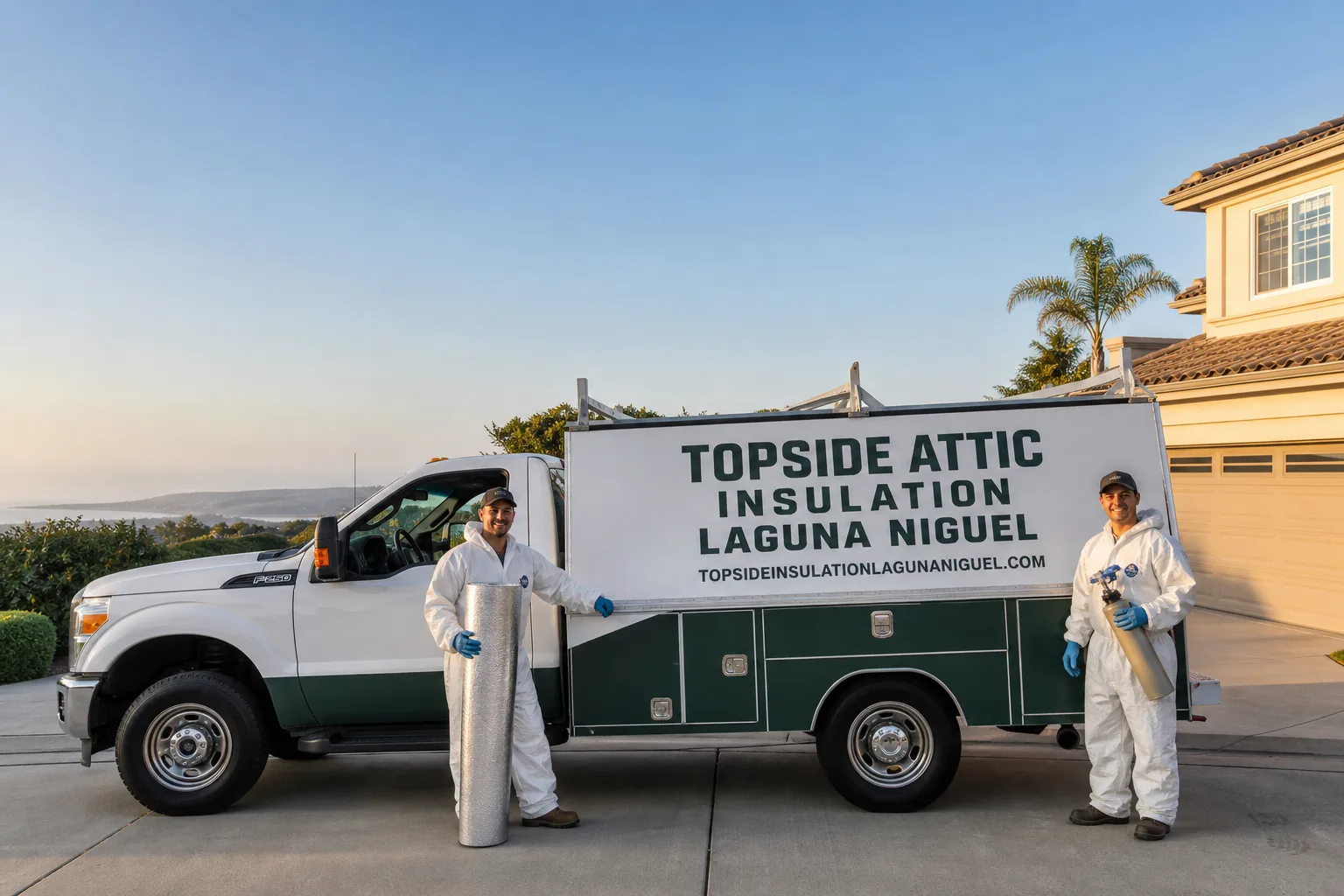
How Much Does Attic Insulation Cost in Laguna Niguel?
Attic Insulation Near Me in Laguna Niguel, CA typically runs between $1,800 and $4,500 for a standard single-story home, with most jobs landing around $2,400 to $3,200 once air sealing is included. The final number depends on your attic’s square footage, current insulation condition, the material you choose, and whether the attic floor needs to be sealed before anything gets blown in – and that last part matters more than most contractors will tell you up front.
Attic Insulation Cost Breakdown (2026)
The table below reflects what homeowners in Laguna Niguel are actually paying in 2026. These are job-level totals, not per-square-foot teaser rates pulled from national cost aggregators that have never seen a home in South Orange County.
| Service / Scope | Typical Price Range | Notes |
|---|---|---|
| Blown-in fiberglass (1,000-1,200 sq ft attic) | $1,200 - $1,800 | R-30 to R-38 target depth; common in post-1990 Laguna Niguel tracts |
| Blown-in fiberglass (1,500-2,000 sq ft attic) | $1,700 - $2,600 | R-38 to R-49; most two-story homes in Laguna Woods-adjacent areas |
| Blown-in cellulose (1,000-1,500 sq ft attic) | $1,100 - $1,700 | Good thermal mass; slightly lower material cost than fiberglass |
| Attic air sealing (top plates, can lights, penetrations) | $400 - $900 | Done before insulation – this is never optional at Envelope Insulation Co. |
| Air sealing + blown-in insulation (combined) | $1,800 - $3,800 | Most common full-job scope in Laguna Niguel; blower-door numbers provided |
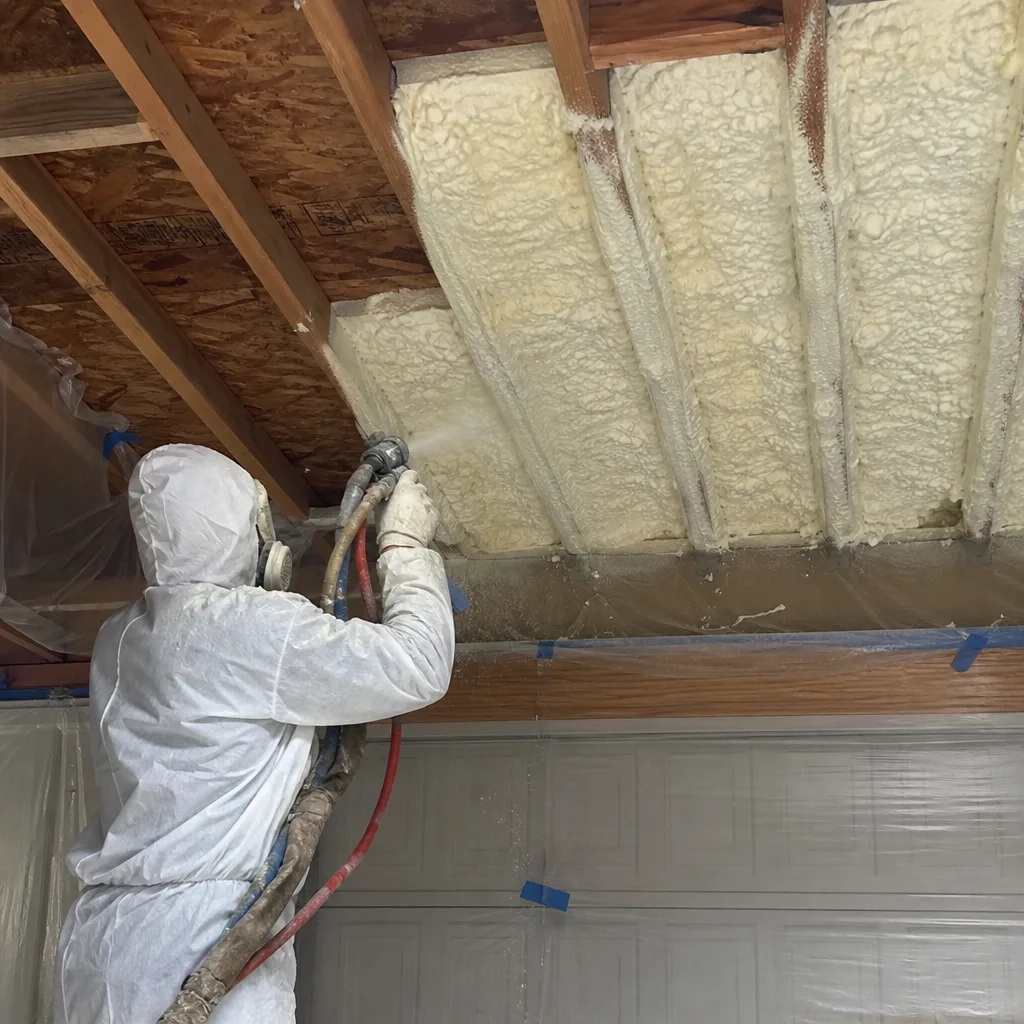
| Open-cell spray foam (roof deck / conditioned attic) | $3,200 - $6,500 | Used when HVAC equipment lives in the attic; creates conditioned envelope |
| Closed-cell spray foam (specific sealing applications) | $4,500 - $9,000+ | Rim joists, cathedral sections, high-moisture zones |
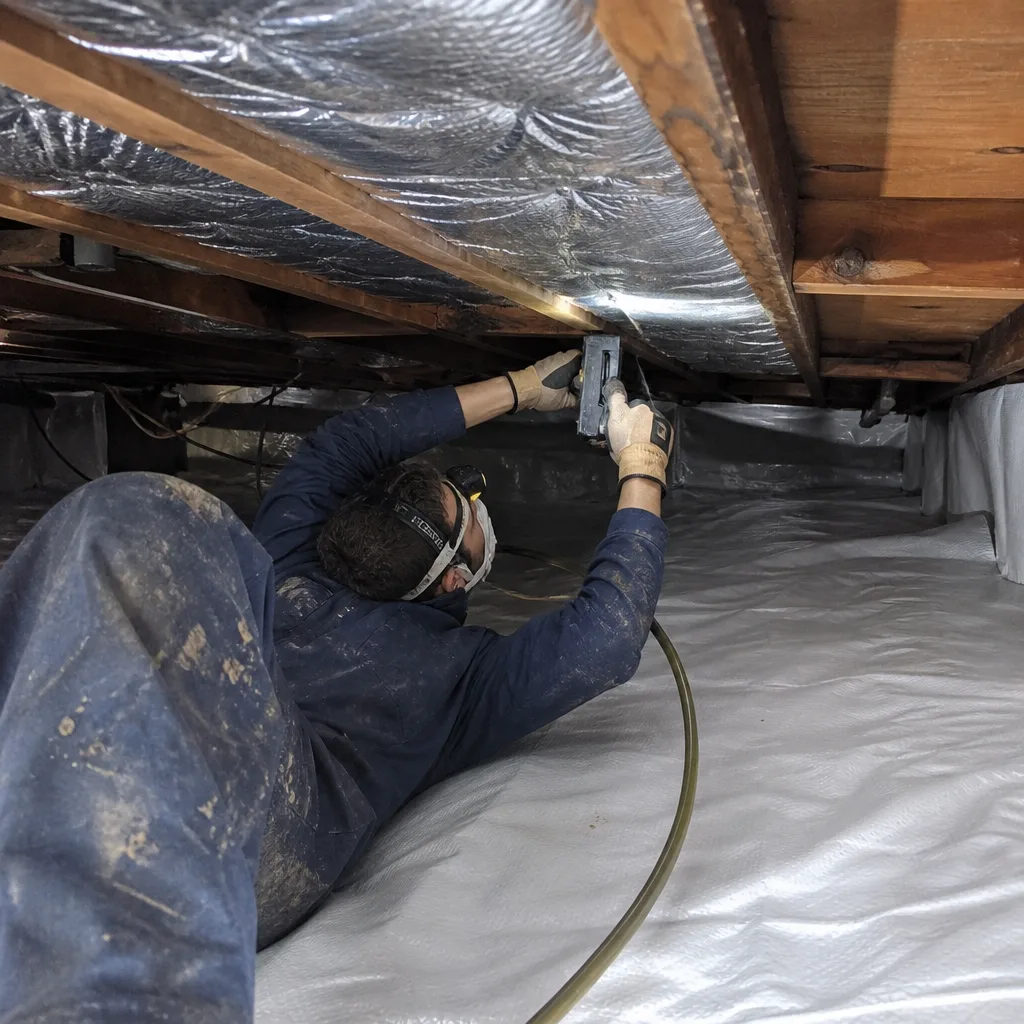
| Radiant barrier installation | $600 - $1,400 | Foil-faced product stapled to rafters; reduces summer radiant heat load |
| Old insulation removal (before replacement) | $800 - $2,000 | Required when existing material is contaminated, compacted, or rodent-damaged |
| Attic cleaning and rodent proofing (add-on) | $500 - $1,500 | More common in homes backing to Laguna Niguel’s open-space preserves |
| Full replacement (removal + air seal + new blown-in) | $3,000 - $5,500 | Typical for homes built pre-1995 that have never had the attic addressed |
A few things drive those ranges. Attic access is the first variable – a pull-down stair over a hallway in a Laguna Niguel tract home is straightforward; a 14-inch scuttle hole on a sloped ceiling is not, and the crew time difference shows up in the price. Attic height matters too: homes in the Beacon Hill and Marina Hills communities often have low-slope rooflines that cut walkable headroom to under 24 inches, which slows air-sealing work considerably. Current insulation depth affects the approach – if you have 3 inches of flattened fiberglass batts from 1988, that material has an effective R-value close to zero and often needs to come out before anything new goes down.
Material choice has a narrower effect on total cost than most people assume. Blown-in fiberglass from Owens Corning or Johns Manville and blown-in cellulose from GreenFiber are within 10-15% of each other per square foot. The bigger cost variables are attic condition, access difficulty, and whether air sealing was skipped by whoever did the original job.
Written price before any work starts is Haven Standard Clause 1. Every estimate we produce is a flat, written number with a written scope – not a range you find out about when the invoice arrives.
What Affects Attic Insulation Pricing in Laguna Niguel
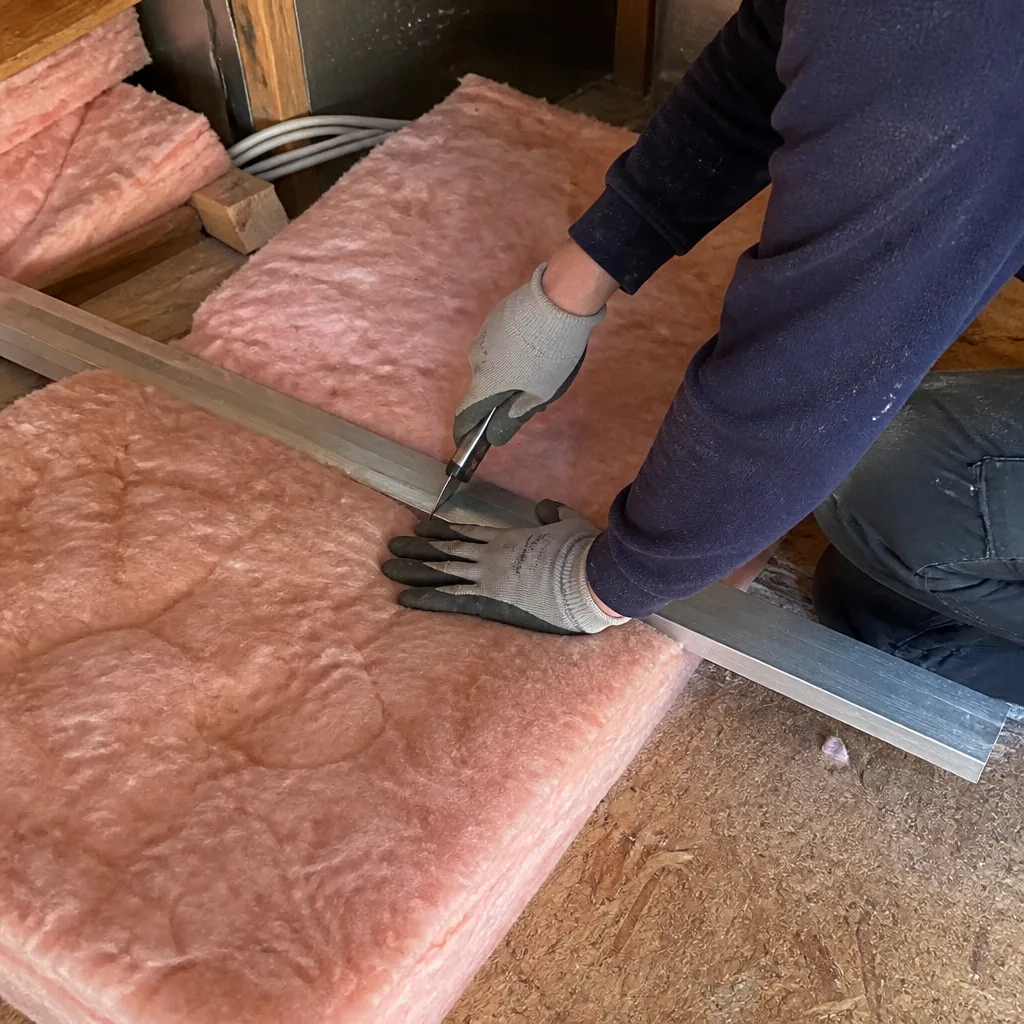
South Orange County has its own set of variables. What drives cost in a Sacramento valley home is not always the same as what drives cost on a hillside lot in Laguna Niguel.
- Attic square footage and geometry. Laguna Niguel homes built in the 1980s and early 1990s by developers like William Lyon Homes or Laguna Pacific commonly run 1,200 to 1,800 square feet of attic floor. Newer custom homes in the Coronado Pointe area can exceed 2,500 square feet, with cathedral sections that require spray foam rather than blown-in product – a meaningful cost difference.
- Existing insulation condition. Orange County’s dry climate is forgiving, but homes backing to the open-space corridors near Laguna Coast Wilderness Park or Aliso and Wood Canyons see rodent activity that can compress and contaminate insulation. Contaminated material has to come out first, which adds removal cost before the new scope even starts.
- Air sealing scope. Homes built before California’s 2008 Title 24 updates rarely have sealed attic floor penetrations. That means recessed can lights, top plates, plumbing chases, and HVAC boots are open conduits for conditioned air to escape into the attic – and for attic air to push back into living spaces. Sealing those penetrations before insulation is added is not optional in our process. On a 1,600-square-foot attic with 20 recessed cans and an unsealed HVAC chase, air sealing alone can take three to four hours. That labor shows up in the price, and it should.
- Attic access and headroom. Several neighborhoods in Laguna Niguel – particularly the hillside custom-home areas off Aliso Creek Road – were built with split-level designs and multiple attic zones that are only accessible through multiple hatches. Crew time increases when equipment has to be repositioned multiple times. A standard one-zone attic takes half the setup time of a three-zone split.
- HVAC equipment in the attic. A significant share of Laguna Niguel homes, particularly those built in the 1990s, have forced-air systems with the air handler and ductwork running through the attic. When HVAC equipment sits in an unconditioned attic space, efficiency losses are severe. Converting that attic to a conditioned space using open-cell spray foam at the roof deck resolves the problem but runs $3,200 to $6,500 versus $1,800 to $3,000 for a standard attic-floor blown-in job. The blower-door numbers we document before and after show exactly how much each approach delivers.
- Radiant heat load from the roof. Laguna Niguel’s position between the Pacific and the inland valleys means summer afternoons push attic temperatures above 140 degrees on south- and west-facing roofs – higher than the California coastal average would suggest. A radiant barrier added to the rafter undersides at the time of an insulation job costs $600 to $1,400 and reduces that radiant load measurably. We’ll say whether your roof orientation makes it worth it; on north-facing roofs it rarely pencils out.
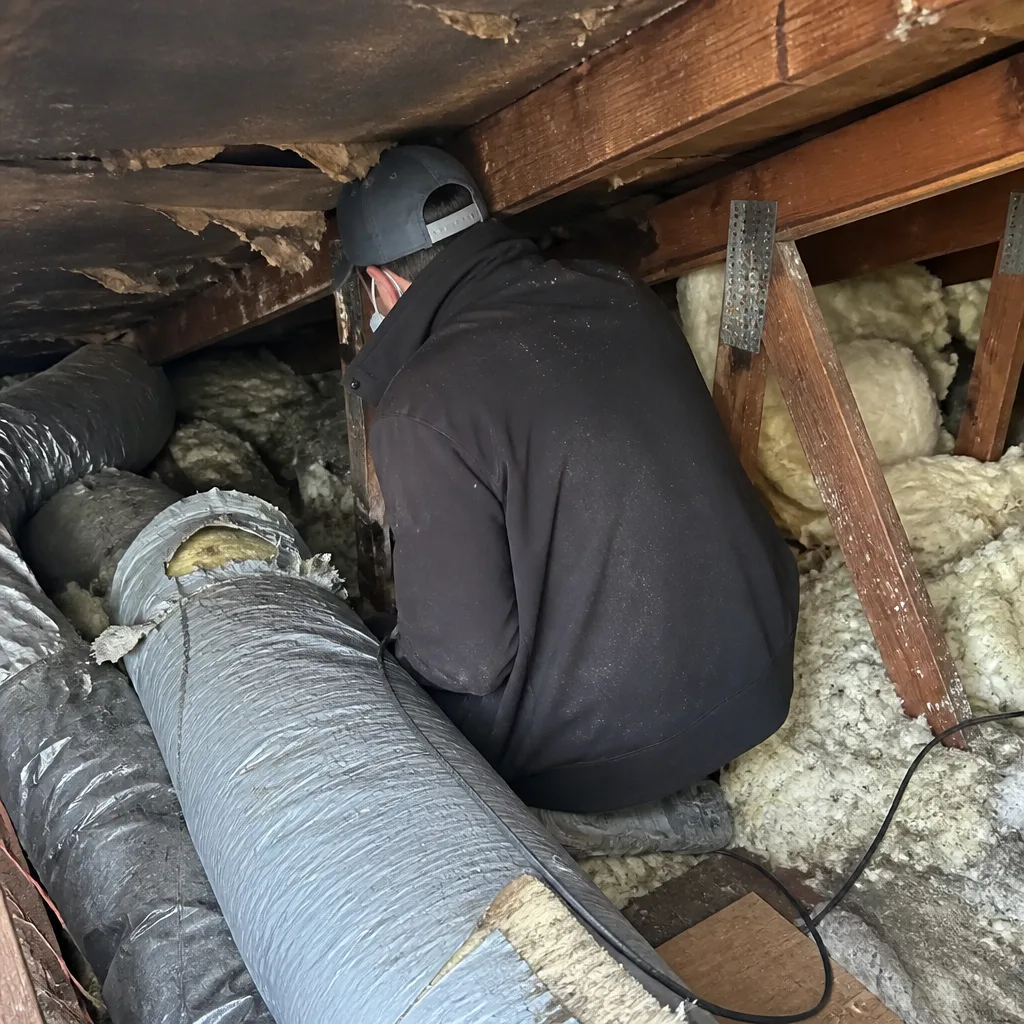 Before
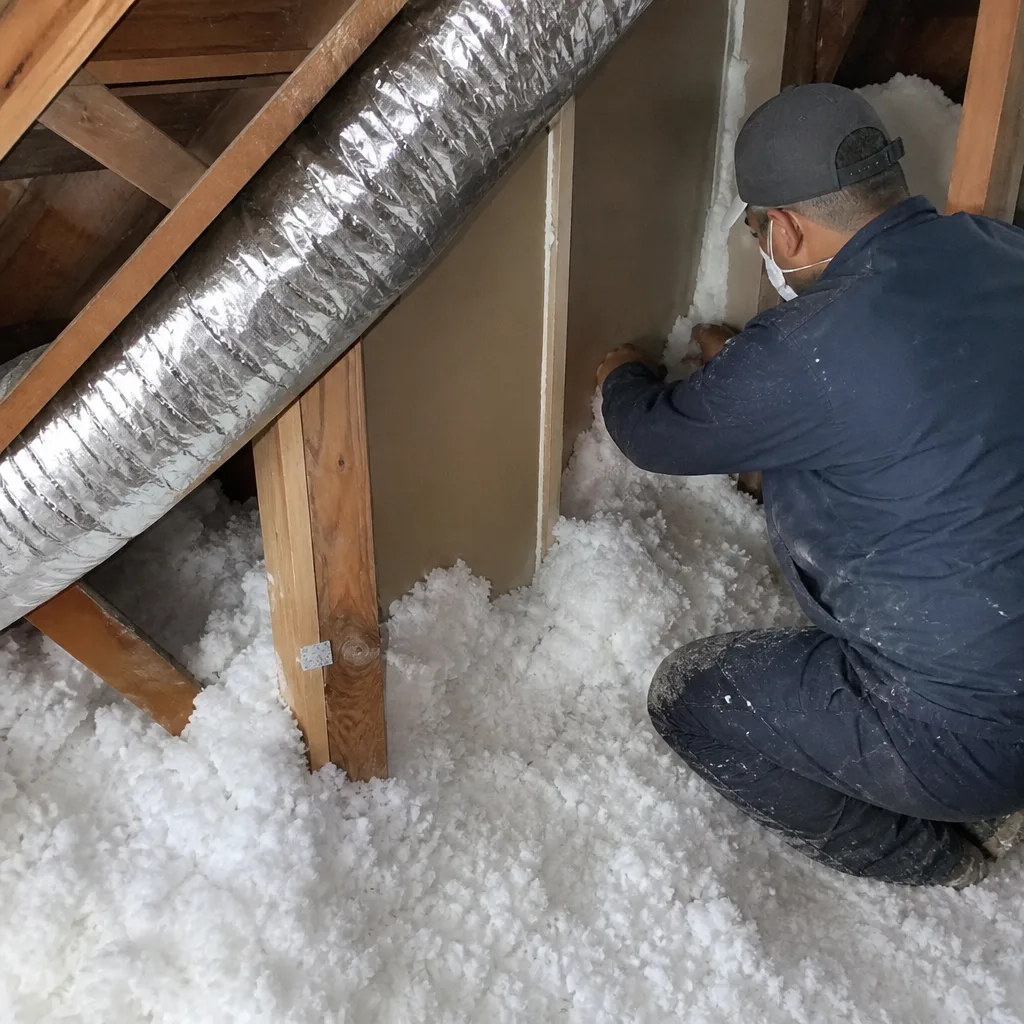 After
AfterLaguna Niguel vs. Neighboring Markets: Why Local Pricing Differs
Labor rates in South Orange County run 12 to 18 percent higher than the Inland Empire for skilled trade work. That gap shows up in insulation pricing. A blown-in job that costs $1,600 in Murrieta might cost $1,850 to $2,100 for the same scope in Laguna Niguel – not because the materials are different, but because crew costs, fuel, and disposal fees reflect the local market. Permit requirements also vary: the City of Laguna Niguel does not require a building permit for Attic Insulation Replacement, but if structural work is involved (rare), the Orange County building department process applies. We pull permits whenever they’re required – never ask a homeowner to act as their own GC to avoid the paperwork.
Comparisons to neighboring cities matter when homeowners start shopping estimates. A quote from a contractor based in Lake Forest or Aliso Viejo will often land in a similar range – those crews travel similar distances. Quotes from contractors based in Los Angeles or the Inland Empire sometimes look cheaper on paper but often don’t account for travel surcharges or the access complexity common in Laguna Niguel’s hillside neighborhoods.
What R-Value Do You Actually Need in Laguna Niguel?
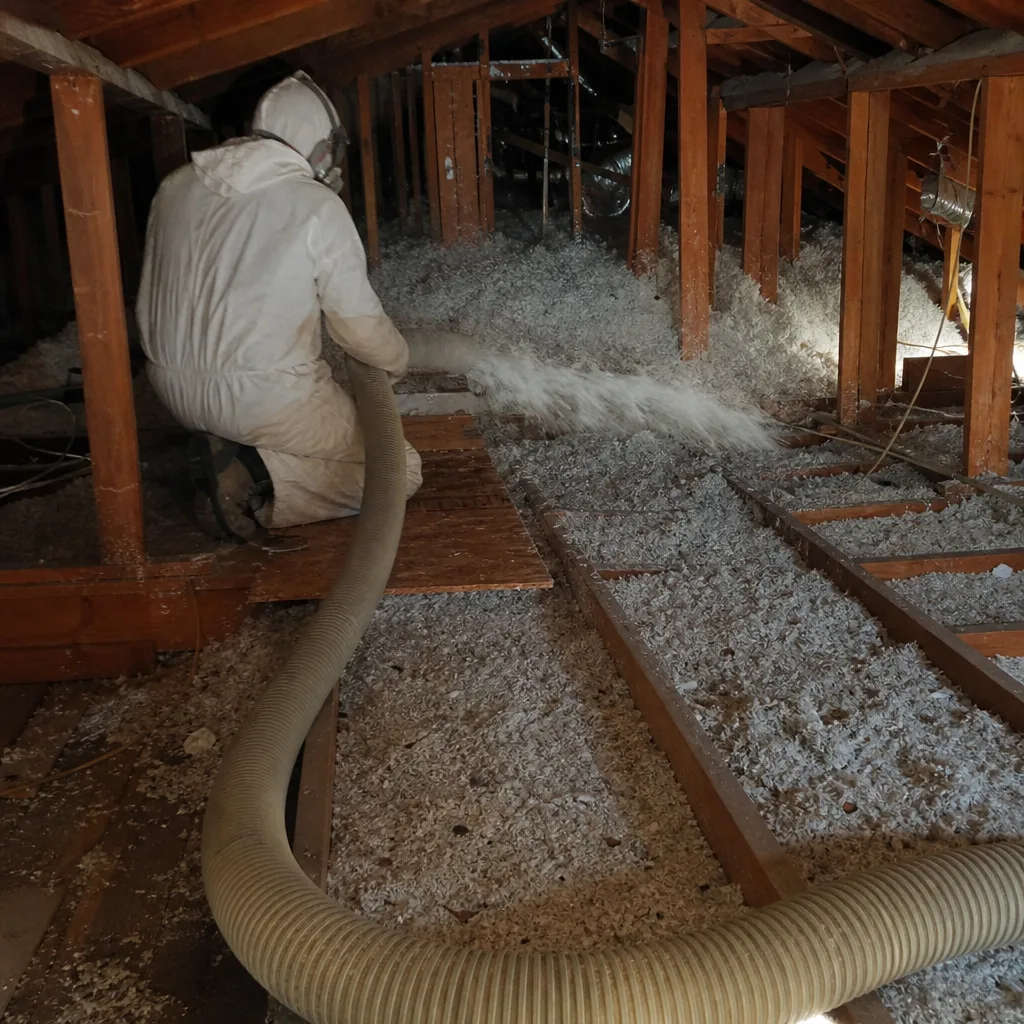
California’s Title 24 building energy code calls for R-38 minimum in attic assemblies for Climate Zone 10, which covers most of Laguna Niguel. Some energy auditors recommend upgrading to R-49 in homes with south- or west-facing attics that take significant summer heat load. R-60 is rarely justified in this climate and adds cost without proportional return.
To get from zero to R-38 using blown-in fiberglass, you’re looking at roughly 12 to 13 inches of material at settled depth. From zero to R-49, you need 15 to 16 inches. If you already have R-11 batts in place from original construction, you need less added depth – but the existing material’s actual R-value has to be verified. Compacted batts from 1987 that measure 2.5 inches are not performing at R-11 anymore. We measure before we quote.
How to Save on Attic Insulation in Laguna Niguel
There are real ways to reduce what you pay. There are also ways that look like savings but end up costing more later.
- Combine air sealing with insulation in one visit. Scheduling air sealing separately adds mobilization cost. When both are scoped together, the crew is already in the attic – setup happens once. Most homeowners who price them separately and then combine them end up paying less than those who schedule two visits.
- Check for SCE and SoCalGas rebates before scheduling. Southern California Edison and SoCalGas periodically offer rebates for attic insulation upgrades that meet program requirements – typically R-38 or above. The rebate amounts shift, but in 2025 and early 2026 some programs covered $200 to $600 per qualifying job. We’ll tell you what’s current when you get your estimate; we don’t inflate the scope to meet rebate thresholds.
- Get a written second opinion on any quote you’ve already received. Under our standard practice, we’ll read a competing written estimate with you and tell you exactly what it includes and what it doesn’t. If a quote is missing air sealing or doesn’t specify material brand and R-value target, those are gaps worth understanding before you sign. The second opinion costs nothing.
- Don’t skip the air sealing to lower the number. This is the most common way homeowners spend more over time than they would have spent up front. Blown-in insulation over an unsealed attic floor still loses conditioned air through every penetration. A blower-door test – a pressurization reading that shows, in one number, how much air your building envelope is losing – will show the same result before and after if the leaks aren’t sealed first. We publish before-and-after blower-door numbers on every applicable job. The difference is not subtle.
- Address rodent exclusion at the same time if you have evidence of activity. Scheduling attic cleaning and rodent proofing as a separate job later means the attic gets disturbed again, which can displace and compress new insulation. Doing it in sequence – exclusion, then insulation – avoids that cost entirely.
- Schedule outside peak summer demand. Late fall through early spring tends to have shorter lead times in the Laguna Niguel market, and some contractors offer better availability pricing in that window. We don’t manufacture scarcity or use seasonal pricing pressure – but availability is genuinely better off-peak, which means scheduling is faster and easier for you.
For a free written estimate on your attic in Laguna Niguel, call (949) 403-8361. A live person answers – no voicemail loop, no callback window measured in business days.
Why Air Sealing Comes Before Insulation – Every Time
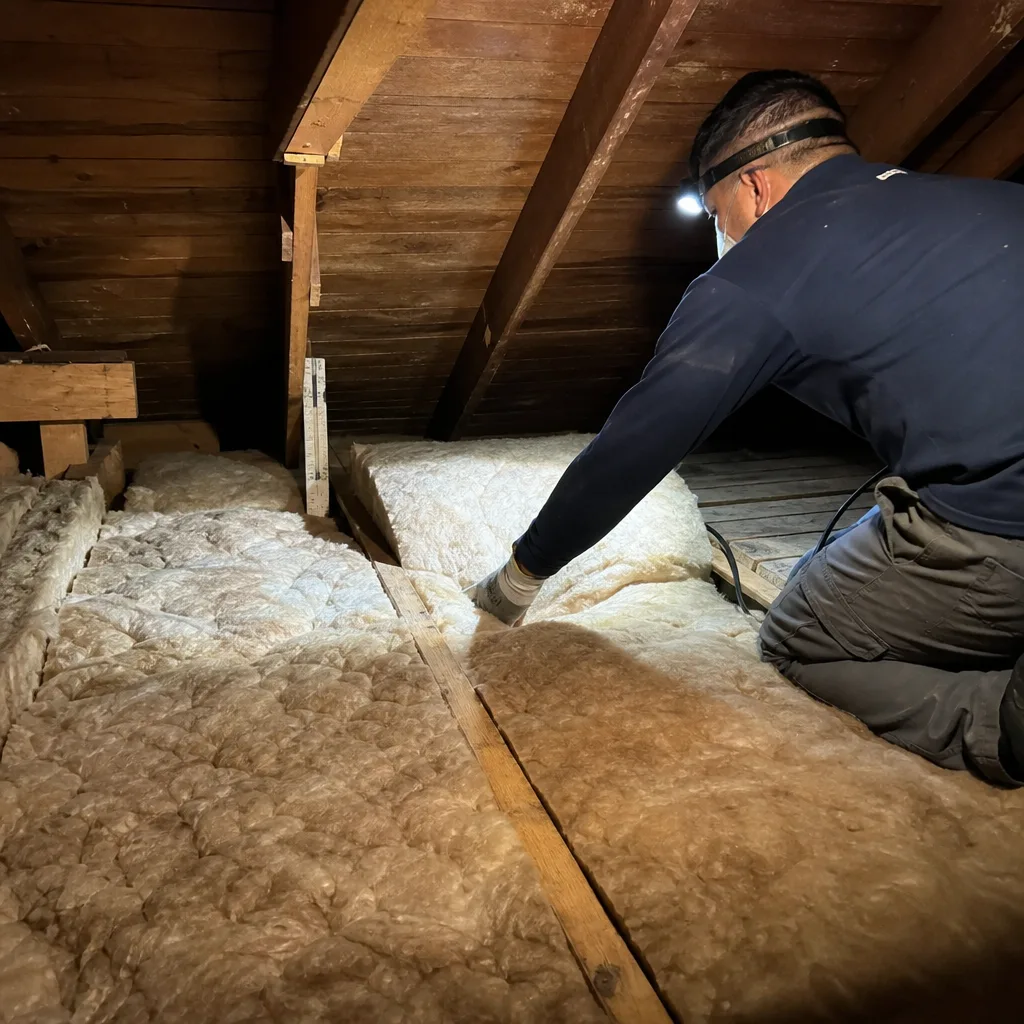
This is the part that distinguishes a correctly done attic from one that just looks done. Adding blown-in insulation to an attic with open top plates, unboxed recessed cans, and an unsealed HVAC chase is like putting a thick blanket over a screen door – it slows some heat transfer, but the air leakage that drives a large portion of your cooling and heating load keeps happening through every gap.
In Laguna Niguel homes built between 1985 and 2000, we regularly find 15 to 30 recessed can lights that penetrate the attic floor with no air barrier – each one is essentially a 6-inch-diameter hole connecting conditioned space to the 140-degree attic above. We also commonly find top plates on interior walls that were never sealed during original construction, plumbing chases that run open from the first floor to the attic, and bath fan ducts that terminate inside the attic rather than through the roof.
Sealing those penetrations with fire-rated spray foam and rigid air barriers – before a single bag of blown-in material goes in – is what makes the insulation job actually work. It’s also what produces the before-and-after blower-door numbers worth publishing. A blower-door test performed before and after air sealing will typically show a 20 to 40 percent reduction in air changes per hour in a home where the attic floor was the primary leakage plane. We document both readings and include them with your job record.
Envelope Insulation Co. will not blow insulation over an unsealed attic floor. That’s not a policy we’re proud of in a performative way – it’s just the only approach that produces a result we’re willing to put in writing under the 365-Day Done Right Promise.
What to Expect from the Job Process
Under Haven Standard practices, here is what the job sequence looks like for a standard Laguna Niguel attic insulation project:
- Written estimate before scheduling. We measure the attic, assess current insulation depth and condition, identify air-sealing scope, and deliver a flat written price with a written scope. No work starts without it – Haven Standard Clause 1.
- Pre-job blower-door test (applicable jobs). On jobs where air sealing is part of the scope, we run a blower-door test before work starts. That number – expressed in CFM50, cubic feet per minute at 50 Pascals of pressure – is your baseline.
- Attic air sealing. Top plates, can light boxes, plumbing and electrical penetrations, HVAC boots, and any other identified leakage points are sealed with appropriate materials before insulation equipment is positioned.
- Post-sealing blower-door test. We run the test again after sealing and before insulation is added, so the air-sealing result is documented on its own. You get both numbers.
- Insulation installation. Material is blown to the specified depth at the specified R-value. Depth rulers are placed throughout the attic and photographed. The photo record is part of your job documentation.
- Final documentation. You receive a written summary with before-and-after blower-door readings, a photo record of depth rulers and completed work, your written warranty, and a copy of the original written scope. The technician’s name is on the paperwork.
Wes Okafor leads the team at Envelope Insulation Co. and has structured the process around one principle: you should be able to verify what you paid for without taking anyone’s word for it. The documentation is the verification.
FAQs – Attic Insulation Cost in Laguna Niguel
How much does attic insulation cost in Laguna Niguel in 2026?
Most attic insulation jobs in Laguna Niguel run between $1,800 and $4,500 for a standard single-story home, with the most common scope – air sealing plus blown-in insulation on a 1,200 to 1,800 square foot attic – landing between $2,200 and $3,500. Larger attics, spray foam scopes, or jobs that include old insulation removal push toward the higher end. Call (949) 403-8361 for a free written estimate specific to your home’s square footage and current condition.
Is it cheaper to repair or replace existing attic insulation?
Attic Insulation Top-Up with blown-in material over existing insulation runs $800 to $1,800 less than a full removal-and-replacement job – but it’s only the right call if the existing material is dry, uncompacted, rodent-free, and not contaminated. In Laguna Niguel homes backing to open-space areas, we find compromised insulation in roughly one out of every three pre-1995 attics we inspect. Topping off over contaminated material means sealing in the problem. We assess the existing condition before recommending either path.
Does attic insulation in Laguna Niguel require a permit?
No. The City of Laguna Niguel does not require a building permit for attic insulation installation or replacement in a residential property. If structural work is involved – which is uncommon in a standard insulation job – Orange County permitting requirements apply. We pull any permit that’s required and handle that process directly; we never ask homeowners to act as their own GC.
How long does an attic insulation job take?
A standard air-seal-plus-blown-in job on a 1,400-square-foot attic in Laguna Niguel typically takes four to six hours from setup to cleanup, including blower-door testing. Jobs with old insulation removal add two to four hours depending on material volume and access. Spray foam jobs run longer – a conditioned-attic conversion using open-cell foam at the roof deck usually takes a full day. You’ll know the expected duration before the crew arrives; it’s part of the written scope.
What’s the best insulation material for a Laguna Niguel attic?
For a standard ventilated attic floor in Laguna Niguel’s Climate Zone 10, blown-in fiberglass or blown-in cellulose are both solid choices – fiberglass from Owens Corning or Johns Manville settles slightly less over time; cellulose from GreenFiber has better thermal mass for diurnal temperature swings. Neither is dramatically better than the other in this climate. Open-cell spray foam at the roof deck is the right answer when HVAC equipment lives in the attic, because it converts the attic into conditioned space and eliminates duct losses directly. Wes Okafor will tell you which material fits your attic geometry and HVAC configuration – not which one has the better margin for us.
Do you offer financing or rebates for attic insulation?
SCE and SoCalGas rebate programs periodically apply to qualifying insulation upgrades in Laguna Niguel – amounts vary by program cycle, but 2025 programs covered $200 to $600 on jobs meeting R-38 or higher targets. We’ll identify what’s currently available when we produce your written estimate. We do not inflate scope to chase rebate thresholds. Financing options are available on qualifying jobs – ask about current terms when you call (949) 403-8361.
Key Takeaways
- Attic insulation in Laguna Niguel runs $1,800 to $4,500 for most homes, with a typical all-in scope (air sealing plus blown-in) landing at $2,200 to $3,500.
- Air sealing is not an upsell – it’s the work that makes insulation actually perform. Skipping it produces a blower-door number that barely moves after the job.
- Before-and-after blower-door readings are documented on every applicable job so you can verify the result, not just take our word for it.
- No permit is required in Laguna Niguel for standard insulation work.
- SCE and SoCalGas rebates may offset $200 to $600 on qualifying jobs.
- A written price is delivered before any work starts – Haven Standard Clause 1, no exceptions.
- The 365-Day Done Right Promise is in writing before the crew lifts a tool.
Ready for a Written Estimate?
Wes Okafor and the team at Envelope Insulation Co. serve Laguna Niguel and surrounding South Orange County communities from Aliso Viejo to Dana Point. Every estimate is written, flat, and delivered before anyone starts. If you already have a quote from another contractor, bring it – we’ll read it with you and tell you exactly what it includes and what it doesn’t.
Call (949) 403-8361 to schedule your free written estimate. A live person answers, any time you call.
Written by Wes Okafor, Owner at Envelope Insulation Co. (operating as Topside Attic Insulation Laguna Niguel), serving Laguna Niguel since 2016.
Pricing reflects the Laguna Niguel market as of 2026. Topside Attic Insulation services offers free estimates – call (949) 403-8361.
What Our Customers Say
"The winter gas bill dropped by about a third. They had estimated a quarter, so they under-promised."
- Genevieve R."Fixed price, clean work, and they hauled the old material away as agreed."
- Todd M."They photographed rodent damage in the old insulation that we had no idea about, and priced the exclusion work separately so we could decide."
- Harriet N.